
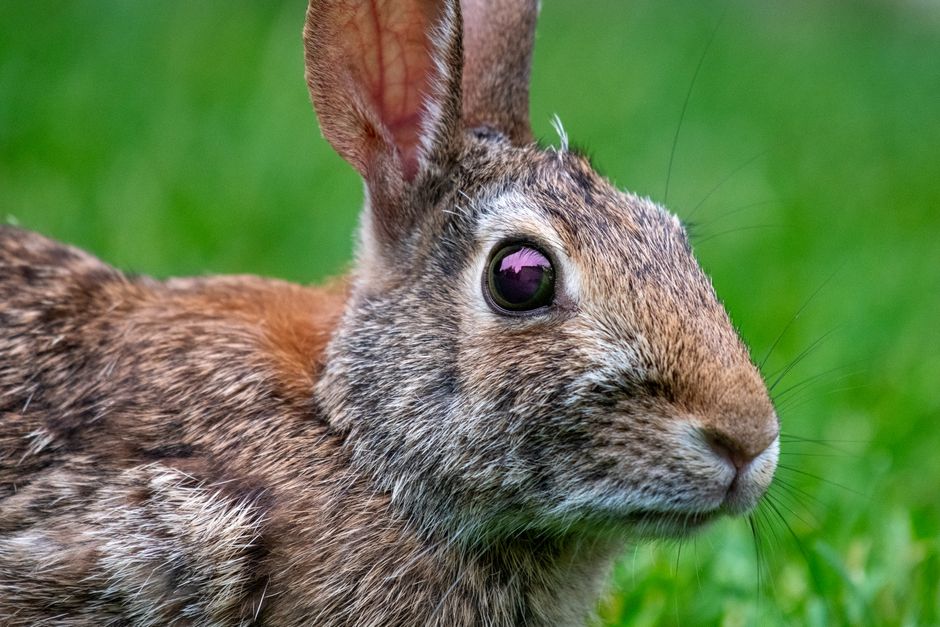
A rabbit shaking its head is common and usually normal. Rabbits do it to rearrange their fur, clear a tickle in an ear, or shake off debris. A single quick shake now and then is not a health concern. But when the shaking repeats, happens often, or comes with head tilting, ear scratching, or a loss of balance, it can point to a real problem that needs a veterinarian.
Why is my bunny shaking his head? The answer depends on how often it happens and what comes with it. Occasional shaking is normal grooming behavior. Frequent or forceful shaking often signals ear trouble, parasites, or a neurological issue. Rabbits are prey animals, so they hide illness well. That makes it important to know the difference between a harmless shake and a warning sign.
What Does Normal Head Shaking Look Like in Rabbits?
Healthy rabbits shake their heads as part of daily grooming. A quick flick of the head helps settle the ears, shift loose fur, or dislodge something small. You may see it after a rabbit cleans its face or after a good full-body shake.
Normal shaking has a few clear features:
- It lasts a second or two.
- It happens only once in a while, not in long bursts.
- The rabbit acts normal right after — eating, hopping, and playing.
- There is no head tilt, no circling, and no loss of balance.
If your rabbit shakes its head and then goes back to normal behavior, there is usually nothing to worry about. The pattern matters more than any single shake.
When Should I Worry About My Rabbit Shaking Its Head?
You should worry when the shaking becomes frequent, forceful, or comes with other symptoms. A rabbit that shakes its head many times in a row, or does it throughout the day, is telling you something is wrong.
Watch for these warning signs:
- A head tilt — the head leans or stays turned to one side.
- Constant scratching at one ear.
- Loss of balance, wobbling, or rolling over.
- Circling in one direction.
- Discharge, crusting, or a bad smell from the ear.
- Reduced appetite or a stop in eating.
- Rapid eye movement that you cannot control (called nystagmus).
Any of these signs means you should contact a veterinarian who treats rabbits. Rabbits can decline quickly when they stop eating or when a balance problem sets in. Waiting rarely helps.
What Causes a Rabbit to Shake Its Head Repeatedly?
Repeated head shaking usually points to irritation or a problem in the ear, or to a condition affecting the nervous system. The most common causes fall into a few groups.
Ear Infections
Ear infections are a frequent cause. Rabbits have a long, narrow ear canal, and that shape can trap debris and moisture. Bacteria can grow there and cause pain and itching. An infection may be in the outer ear or deeper in the middle or inner ear. Inner ear infections are more serious because they affect balance.
Ear Mites
Ear mites are tiny parasites that live in the ear canal. They cause intense itching, so rabbits scratch and shake their heads hard. You may see dark, crusty debris inside the ear that looks like coffee grounds. Mites are contagious between rabbits, so a new rabbit or a rabbit that has been near others can bring them home.
Foreign Objects and Debris
A piece of hay, a seed, or a bit of dirt can get stuck in the ear. The rabbit shakes its head to try to remove it. This often causes sudden, repeated shaking that starts out of nowhere.
Dental Problems
Rabbit teeth grow continuously. When they do not wear down evenly, they can overgrow and press on nearby structures, including the roots near the ear. Dental disease can cause ear-related signs. This is one reason a head shake sometimes traces back to the mouth, not the ear.
Neurological Causes
Some conditions affect the brain or the nerves that control balance. A common one in rabbits is a parasite called Encephalitozoon cuniculi, often shortened to E. cuniculi. It can cause head tilt, loss of balance, and shaking. Other neurological problems are less common but possible.
Other Causes
Less often, shaking can come from allergies, skin problems, or growths in or near the ear. A veterinarian can sort out which cause fits your rabbit.
Head Shaking vs. Head Tilt: What Is the Difference?
These two signs are not the same, and the difference matters. Head shaking is a quick, repeated motion. Head tilt is a steady, held position where the head stays leaning to one side.
Head tilt is a bigger red flag. It often points to a problem in the inner ear or the nervous system. A rabbit with a head tilt may also lose balance, roll, or have trouble walking. Head shaking alone is more often linked to itching or irritation. When the two happen together, the cause is more likely to be serious.
How Does a Veterinarian Find the Cause?
A veterinarian will start by asking about the shaking — when it began, how often it happens, and what other signs you have noticed. Then they will examine the rabbit.
The exam usually includes:
- Looking inside the ear canals with a scope.
- Checking the teeth and mouth.
- Testing balance and nerve function.
- Taking a sample of ear debris to check for mites or infection.
Depending on what they find, the vet may recommend imaging such as X-rays or a CT scan. Blood tests can help check for other problems. A firm diagnosis guides the right treatment. Guessing at the cause can lead to the wrong care.
What Are the Treatment Options?
Treatment depends entirely on the cause. There is no single fix for head shaking, because it is a sign, not a disease on its own.
Common approaches include:
- Ear mites: anti-parasitic medication, often given by the vet.
- Bacterial infection: antibiotics, sometimes as ear drops or by mouth.
- Foreign object: careful removal by the vet.
- Dental disease: trimming or reshaping of overgrown teeth.
- E. cuniculi: treatment aimed at the parasite, along with supportive care.
Do not use over-the-counter ear drops made for people, dogs, or cats on a rabbit without asking a vet first. Some products can harm a rabbit. The right treatment is the one matched to the actual cause.
Supportive care matters too. A rabbit that is off balance may need a safe, padded space to prevent injury. A rabbit that has stopped eating needs prompt veterinary attention. Rabbits that go without food for too long can develop serious gut problems.
Can I Prevent Head Shaking in My Rabbit?
You cannot prevent every cause, but you can lower some risks. Good routine care goes a long way.
- Check your rabbit’s ears each week for redness, discharge, or debris.
- Keep the ears dry and clean. Do not poke anything into the ear canal.
- Feed a diet high in hay to help teeth wear down evenly.
- Keep new rabbits separate until a vet checks them, to avoid spreading mites.
- Watch for early signs like scratching or a slight tilt, and act early.
Early action is the single most useful habit. Small changes are easier to treat than advanced problems.
When to Call the Vet Right Away
Call a rabbit-savvy veterinarian promptly if you see any of these:
- A head tilt that does not go away.
- Loss of balance, rolling, or trouble standing.
- Repeated, forceful head shaking that lasts more than a day.
- Not eating or a drop in droppings.
- Ear discharge, swelling, or a bad smell.
Rabbits are good at hiding illness until it is advanced. Trust your instincts. If something seems off, a check-up is worth it.
Frequently Asked Questions
Why does my bunny keep shaking its head?
Frequent head shaking usually points to ear irritation, ear mites, an infection, or a foreign object in the ear. Less often it can come from dental or neurological problems. A vet exam finds the cause.
Is it normal for a rabbit to shake its head?
An occasional quick shake is normal and part of grooming. Shaking that is frequent, forceful, or paired with a head tilt or balance problems is not normal and needs a vet.
What does head tilt in a rabbit mean?
A head tilt means the head stays leaning to one side rather than a quick shake. It often signals an inner ear or neurological problem and should be checked by a veterinarian.
Can ear mites cause head shaking in rabbits?
Yes, ear mites cause intense itching that leads to scratching and hard head shaking. You may also see dark, crusty debris in the ear that looks like coffee grounds.
