
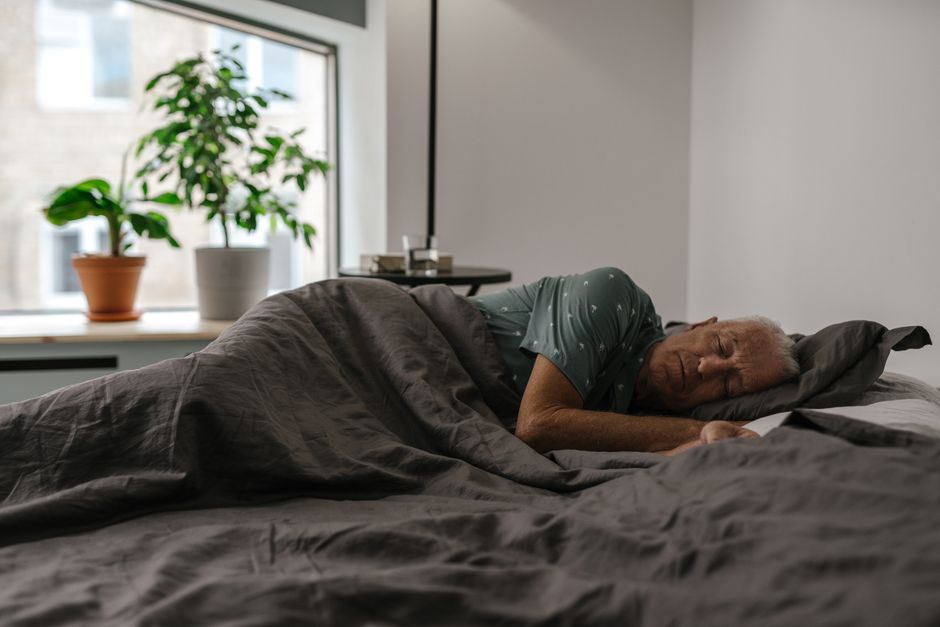
Waking up to find your body shaking or jerking during sleep is more common than most people realize. The most frequent cause is a hypnic jerk — a sudden, involuntary muscle contraction that happens right as you drift from wakefulness into sleep. These jerks are generally harmless and happen to most people at some point. But if the shaking is frequent, intense, or happens during deeper sleep stages, it may point to something that deserves a closer look.
Why Is My Body Shaking When Im Sleeping?
The short answer is that your nervous system does not simply switch off when you fall asleep. It transitions through stages, and during those transitions, signals can misfire.
The most common type is the hypnic jerk — also called a sleep start. It typically occurs during the shift from light drowsiness into the first stage of sleep. Your muscles suddenly contract, often waking you with a jolt. Some people describe it as the feeling of falling.
Researchers have proposed a few explanations. One leading theory is that as your body relaxes and your muscles go limp, the brain misinterprets this relaxation as falling. It sends a reflex signal to your muscles to catch yourself. Another theory points to normal fluctuations in brainstem activity during sleep onset.
What is well established: hypnic jerks are a normal part of falling asleep for most people. They are not a sign of a disorder on their own.
Other causes of shaking during sleep include:
- Sleep myoclonus — brief muscle twitches that can happen in any sleep stage
- Periodic limb movements of sleep (PLMS) — repetitive leg jerks, often every 20 to 40 seconds
- Restless legs syndrome (RLS) — an urge to move the legs, usually worse at night
- REM sleep behavior disorder — acting out dreams physically
- Nocturnal seizures — abnormal electrical activity in the brain during sleep
- Anxiety or stress — which can increase muscle tension and jerk frequency
The key question is not whether shaking happens. It is whether it disrupts your sleep, happens often, or comes with other symptoms.
What Causes Hypnic Jerks When You Fall Asleep?
Hypnic jerks happen because your brain and body do not fall asleep at exactly the same time. Your muscles relax before your brain fully transitions into sleep. That mismatch can trigger a reflex contraction.
Several factors make hypnic jerks more likely:
- Sleep deprivation or an irregular sleep schedule
- High caffeine intake, especially later in the day
- Strenuous exercise close to bedtime
- Elevated stress or anxiety
- Stimulant medications
These factors do not cause hypnic jerks directly. They increase the likelihood that the transition into sleep is uneven, which makes the reflex more likely to fire.
One detail that often gets overlooked: hypnic jerks are not a sign that something is wrong with your muscles. They originate in the central nervous system, not in the muscle tissue itself. This is why they feel like a whole-body event rather than a localized twitch.
What Is the Difference Between Hypnic Jerks and Other Sleep Movements?
Not all shaking during sleep is the same. The timing, pattern, and location of the movement can point to different causes. A doctor uses these distinctions to figure out what is happening.
| Type | When It Happens | What It Looks Like |
|---|---|---|
| Hypnic jerk | At sleep onset | Sudden whole-body or limb jerk, often with a falling sensation |
| Sleep myoclonus | Any sleep stage | Brief, shock-like muscle twitches |
| Periodic limb movements | Non-REM sleep | Repetitive leg jerks, often every 20 to 40 seconds |
| Restless legs syndrome | Before and during sleep | Urge to move legs, crawling or tingling sensations |
| REM sleep behavior disorder | REM sleep | Acting out dreams — punching, kicking, shouting |
| Nocturnal seizures | Usually non-REM sleep | Rhythmic jerking, stiffness, confusion on waking |
Hypnic jerks happen once or twice as you fall asleep. Periodic limb movements repeat in a pattern. Seizures tend to be more sustained and may come with confusion, tongue biting, or loss of bladder control.
If you are not sure which pattern fits your experience, that is worth mentioning to a doctor. A sleep study can record muscle activity and brain waves during sleep and give a clear answer.




When Should Shaking During Sleep Concern You?
Occasional jerks as you fall asleep are not a medical problem. What matters is whether the movements are frequent, forceful, or affecting your sleep quality.
Talk to a doctor if you notice:
- Shaking that happens most nights or many times per night
- Movements that wake you or your bed partner regularly
- Injuries from hitting or kicking during sleep
- Acting out dreams — this can be a sign of REM sleep behavior disorder
- Daytime sleepiness that affects work, driving, or daily life
- Confusion, tongue biting, or loss of bladder control during episodes
- Shaking that starts in adulthood after years of normal sleep
REM sleep behavior disorder deserves specific attention. In healthy REM sleep, the body is temporarily paralyzed — a state called REM atonia. In REM sleep behavior disorder, that paralysis fails. People physically act out their dreams, which can lead to injury. Research has linked this condition to an increased risk of certain neurological disorders later in life, though not everyone who has it will develop one.
Nocturnal seizures are another reason to seek evaluation. They can be subtle — brief stiffness, rhythmic jerking, or unusual sounds — and are easy to mistake for other sleep movements. A neurologist can distinguish them with an EEG.
How Are Sleep-Related Movement Disorders Diagnosed?
Diagnosis starts with a detailed history. A doctor will ask about the timing, frequency, and pattern of the movements. They may also ask a bed partner what they observe, since people are often unaware of their own movements during sleep.
If the history suggests something beyond normal hypnic jerks, the next step is often an overnight sleep study, called a polysomnogram. This test records brain waves, muscle activity, eye movements, breathing, and heart rate during sleep. It can identify periodic limb movements, REM sleep behavior disorder, and nocturnal seizures.
Blood tests may be ordered to check for iron deficiency, thyroid problems, or other conditions that can contribute to restless legs syndrome or muscle twitching. Iron status in particular is relevant to RLS, and low ferritin levels are a known contributor.
A video recording of the episodes — if a bed partner can capture one — is often helpful. It gives the doctor a direct look at what the movement actually looks like.
What Helps Reduce Shaking During Sleep?
For ordinary hypnic jerks, the most effective steps are the same ones that support good sleep in general.
- Keep a consistent sleep and wake schedule
- Limit caffeine, especially in the afternoon and evening
- Reduce strenuous exercise within a few hours of bedtime
- Manage stress through relaxation techniques or counseling if needed
- Get enough sleep — sleep deprivation increases jerk frequency
For restless legs syndrome, some clinicians recommend checking iron levels and treating deficiency when present. Other approaches include medications that affect dopamine signaling, though these are not without side effects and are typically used when symptoms are significant.
For periodic limb movements, treatment depends on whether the movements are causing sleep disruption. If they are not, treatment may not be needed.
For REM sleep behavior disorder, the approach is different. Bedroom safety — removing sharp objects, padding the floor — is a priority. Some medications, including melatonin and clonazepam, have been used to reduce dream enactment, though response varies.
Nocturnal seizures are treated with anti-seizure medications prescribed by a neurologist.
What does not have strong evidence: most over-the-counter supplements marketed for “sleep twitching” or “nerve support.” No large human trials have confirmed that these products reduce sleep-related movements.
Frequently Asked Questions
Are hypnic jerks a sign of a serious condition?
No. Hypnic jerks are a normal part of falling asleep for most people and are not a sign of disease on their own. They only warrant evaluation if they are frequent, disruptive, or come with other symptoms.
Can low magnesium cause body shaking during sleep?
Severe magnesium deficiency can cause muscle twitching and cramps, but it is uncommon in healthy adults with a normal diet. There is no strong evidence that magnesium supplements reduce hypnic jerks or sleep-related movements in people who are not deficient.
What is the difference between a hypnic jerk and a seizure?
Hypnic jerks are brief, happen once or twice at sleep onset, and do not cause confusion afterward. Nocturnal seizures tend to be more sustained, may repeat in a pattern, and often leave the person confused or disoriented on waking.
When should I see a doctor about shaking during sleep?
See a doctor if the movements happen most nights, cause injuries, wake you or your partner regularly, or come with daytime sleepiness. Acting out dreams or episodes involving confusion also warrant evaluation.
