
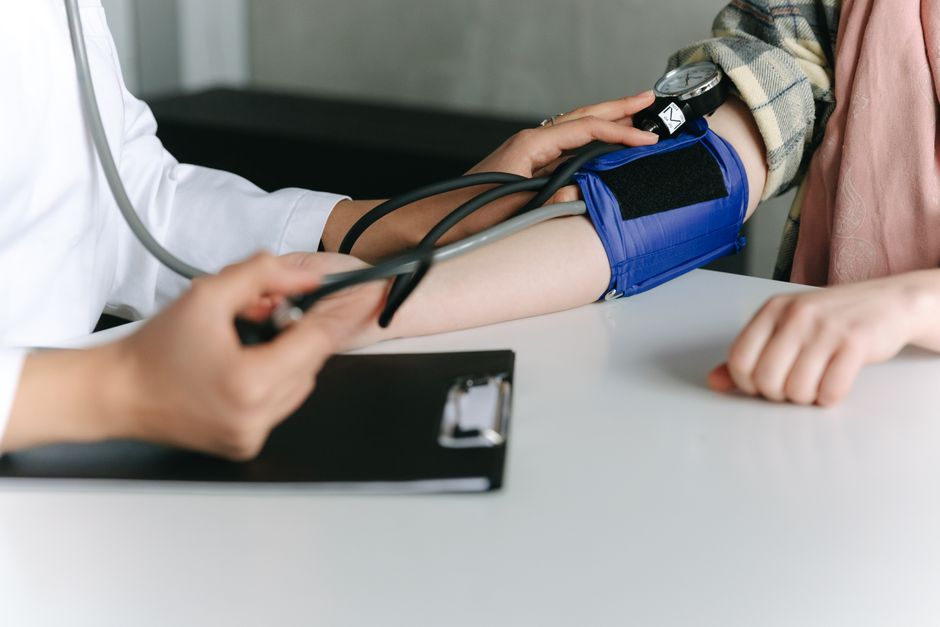
Your blood pressure can rise for reasons that have nothing to do with a disease. The most common causes of elevated blood pressure are lifestyle and circumstance: too much sodium, extra body weight, inactivity, heavy alcohol use, poor sleep, stress, and even the way you were positioned when the cuff went on. In many people, several of these add up over years. Less often, a specific medical condition or medication is the driver. Knowing which category you fall into changes what to do next.
One clarification up front. A single high reading is not a diagnosis. Blood pressure naturally swings through the day, and it climbs with caffeine, a full bladder, talking during the measurement, or a rushed walk into the clinic. Persistent elevation across repeated, properly taken readings is what matters.
Why Is My Blood Pressure Elevated Common Causes?
Most elevated blood pressure in US adults traces back to a handful of everyday factors, often acting together rather than alone. Clinicians call this primary or essential hypertension. It develops gradually and accounts for the large majority of cases.
The main contributors:
- Sodium intake. Excess sodium makes the body hold extra fluid, which raises blood volume and pressure. Most sodium comes from packaged and restaurant food, not the salt shaker.
- Excess body weight. Extra fat tissue, especially around the abdomen, is linked to higher blood pressure through several pathways, including hormonal signals that affect how the kidneys handle sodium.
- Physical inactivity. Regular movement helps blood vessels stay flexible and respond to the body’s demands.
- Alcohol. Drinking more than moderate amounts raises blood pressure, and the effect can be substantial in heavy drinkers.
- Age. Blood vessels stiffen over time. This is why pressure tends to creep up in midlife and beyond, even in people whose habits have not changed.
- Family history and genetics. A parent or sibling with high blood pressure raises your own likelihood.
- Sleep problems. Short sleep, poor sleep quality, and untreated sleep apnea all associate with higher pressure.
- Stress. Long-term stress and the habits that come with it, like poor eating and less activity, contribute over time.
These factors do not act in isolation. Someone who is overweight, eats a high-sodium diet, and sleeps poorly is stacking risks that reinforce one another.
How Does Sodium Actually Raise Blood Pressure?
Sodium pulls water into your bloodstream. When you take in more sodium than your kidneys can easily clear, the extra fluid increases the volume of blood your heart must push through your vessels, and pressure rises.
The relationship is not identical for everyone. Some people are more sodium-sensitive than others, meaning their pressure responds strongly to salt. Older adults and people with existing hypertension tend to be more sensitive. Research has consistently shown that reducing sodium lowers blood pressure on average, though the size of the drop varies widely between individuals.
The practical point: the majority of sodium in the typical American diet comes from processed foods, canned goods, deli meats, bread, and restaurant meals. Reading labels and cooking more at home is where most of the leverage sits.
Can a Medication or Health Condition Be the Cause?
Yes, and this is where a careful clinician looks when blood pressure is high, hard to control, or appears suddenly. These cases are called secondary hypertension. They are less common than lifestyle-driven elevation but important to rule out.
Conditions that can raise blood pressure include:
- Kidney disease. The kidneys regulate fluid and pressure, so impaired kidney function often shows up as high blood pressure.
- Sleep apnea. Repeated pauses in breathing during sleep stress the cardiovascular system and associate strongly with resistant hypertension.
- Thyroid disorders. Both overactive and underactive thyroid can affect blood pressure.
- Hormonal conditions such as certain adrenal gland problems, which are uncommon but recognized causes.
- Narrowing of the arteries supplying the kidneys, a specific vascular problem clinicians consider in selected cases.
Medications and substances can also push pressure up. Common examples include some decongestants, certain nonsteroidal anti-inflammatory pain relievers, some hormonal contraceptives, stimulants, and alcohol. If your pressure rose after starting a new medication, that timing is worth mentioning to your clinician.
Clues that point toward a secondary cause include high pressure that resists multiple medications, onset at a young age, sudden worsening, or pressure that spikes in episodes with symptoms like headache, sweating, or a racing heart. None of these confirm a cause on their own. They are reasons to look further.
What Counts as Elevated Blood Pressure?
The numbers matter, so it helps to know the standard categories. These come from widely used clinical guidelines and are measured in millimeters of mercury (mmHg).
| Category | Systolic (top number) | And/Or | Diastolic (bottom number) |
|---|---|---|---|
| Normal | Less than 120 | and | Less than 80 |
| Elevated | 120–129 | and | Less than 80 |
| Stage 1 hypertension | 130–139 | or | 80–89 |
| Stage 2 hypertension | 140 or higher | or | 90 or higher |
Two details people often miss. First, the word “elevated” is a specific category (120–129 over less than 80), distinct from hypertension. Second, a reading is classified by whichever number is higher. So 118 over 84 counts as stage 1 hypertension because of the diastolic value, even though the top number looks fine.
A single reading in a higher category does not confirm a diagnosis. Clinicians typically confirm with repeated measurements over multiple visits, and many use home monitoring to get a clearer picture.
How Do You Measure Blood Pressure Correctly?
Measurement errors are a genuinely underappreciated cause of “high” readings. Getting the technique right can change the number meaningfully.
Key steps for a reliable reading:
- Sit quietly for about five minutes before measuring.
- Keep your back supported and both feet flat on the floor.
- Rest your arm on a table so the cuff is at heart level.
- Use a cuff that fits your arm. A cuff that is too small can read falsely high.
- Do not talk during the measurement.
- Avoid caffeine, exercise, and smoking for at least 30 minutes beforehand.
- Empty your bladder first.
Home monitors that wrap around the upper arm are generally more reliable than wrist or finger devices. If you monitor at home, take readings at consistent times and bring the log to your clinician rather than relying on memory.
What About Stress, Sleep, and Caffeine?
Stress raises blood pressure in the moment through the body’s fight-or-flight response. The question clinicians care about is whether chronic stress keeps pressure elevated over the long term. The evidence here is mixed and harder to pin down, partly because stress is difficult to measure and often travels with other risk factors like poor sleep and less healthy eating.
Sleep is more clear-cut. Short sleep duration and untreated sleep apnea are consistently associated with higher blood pressure. Sleep apnea in particular is common in people whose pressure stays high despite treatment, and it frequently goes undiagnosed.
Caffeine causes a short-term bump in blood pressure, typically small and brief in habitual coffee drinkers. For most people this is not a major driver of sustained elevation, though individual responses vary.
When Should Elevated Blood Pressure Be Checked by a Clinician?
Persistent readings in the hypertension range deserve a conversation with a clinician. So do readings that are climbing over time, or that come with symptoms.
Seek urgent care for a very high reading, generally 180/120 or above, especially if it comes with chest pain, shortness of breath, severe headache, weakness, vision changes, or difficulty speaking. A reading that high without symptoms should still be rechecked promptly and discussed with a clinician.
For most people with mild or moderate elevation, the priority is confirmation and a plan. That usually means repeated measurements, a review of medications and habits, and screening for secondary causes when the picture suggests one. The goal is not to panic over one number. It is to catch a pattern early, when lifestyle changes and, if needed, medication can do the most good.
Frequently Asked Questions
What is the most common cause of elevated blood pressure?
Lifestyle factors, especially high sodium intake, excess body weight, and physical inactivity, account for most cases. These often combine rather than acting alone.
Can one high blood pressure reading mean anything?
A single high reading does not confirm a problem because pressure fluctuates with stress, caffeine, and measurement technique. Persistent elevation across repeated, properly taken readings is what matters.
Can dehydration or a full bladder raise blood pressure?
A full bladder can temporarily raise a reading, which is why emptying it first is recommended. Dehydration affects pressure in more complex ways, so it is not a simple cause of sustained elevation.
Does stress alone cause high blood pressure?
Stress raises pressure in the short term, but the evidence that it causes lasting hypertension on its own is mixed. It often travels with other risk factors like poor sleep and unhealthy eating.
