
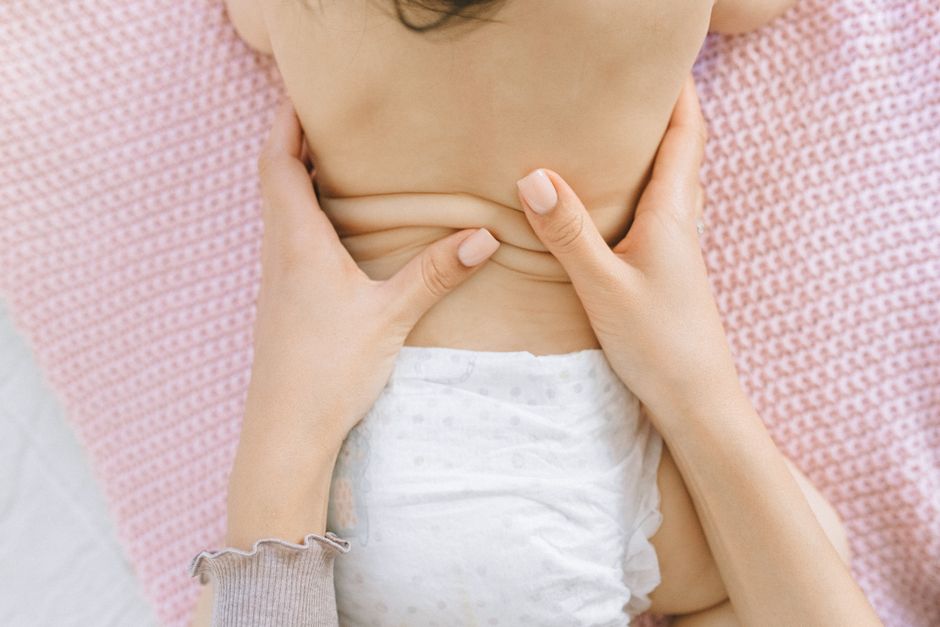
A baby who feels clammy and sweaty can be alarming for any parent. In most cases, this is a normal response to their environment, their activity, or their developing nervous system. However, persistent or severe sweating can sometimes point to an underlying medical issue that needs attention. This guide breaks down the most common reasons for a clammy baby and helps you know when to call your pediatrician.
Why Is My Baby Clammy And Sweaty During Sleep?
Night sweats are one of the most common reasons parents notice a damp, clammy baby. The leading cause is simply that babies are dressed too warmly for sleep.
Babies have a harder time regulating their body temperature than adults. Their sweat glands are fully functional, but their bodies produce heat more easily and lose it less efficiently. A room that feels comfortable to an adult can feel hot to a sleeping baby.
A good rule of thumb is to dress a baby in one more layer than an adult would wear comfortably in the same room. If your baby’s chest feels hot or sweaty, they are overdressed. Check the chest, not the hands or feet, because extremities are naturally cooler in infants.
Overheating during sleep is also a known risk factor for Sudden Infant Death Syndrome (SIDS). Keeping the room at a comfortable temperature and avoiding heavy blankets or excessive layers is a standard safety recommendation.
Why Is My Baby Sweaty While Feeding?
Feeding is hard work for a baby. Sucking requires significant physical effort, and it naturally raises their body temperature and heart rate.
It is completely normal for a baby to sweat on their head and neck during a feeding. This is especially true for newborns and young infants who are working hard to nurse or take a bottle. The sweating usually stops shortly after the feeding ends.
However, sweating during feeding can be a sign of a heart condition in some cases. If your baby sweats excessively during short feeds, breathes rapidly, or appears tired or blue around the lips, you should mention this to your pediatrician. This is not a common occurrence, but it is a known warning sign that should not be ignored.
When Is Sweating a Sign of a Medical Problem?
While most sweating is harmless, certain patterns deserve a closer look. The key is to pay attention to when the sweating happens and what other symptoms accompany it.
Seek medical advice if your baby’s sweating is accompanied by any of the following:
- Fever — a temperature of 100.4°F (38°C) or higher in a baby under 3 months old requires immediate medical attention.
- Fast breathing or difficulty breathing
- Poor feeding or refusing to eat
- Lethargy or unusual sleepiness
- Bluish color around the lips or nails
- Cold, clammy skin that does not improve when you adjust their clothing
Cold and clammy skin, rather than warm and sweaty skin, can indicate a drop in blood pressure or the early stages of an infection. If your baby feels cold and clammy and is acting unwell, contact your doctor right away.
Sweating that happens without any obvious cause — not during feeding, not during sleep, and not in a warm room — is worth a call to your pediatrician.





Why Does My Baby Have Cold and Clammy Hands and Feet?
Parents frequently worry about cold, sweaty hands and feet on an otherwise healthy baby. This is usually a normal part of infant circulation.
Newborns have an immature circulatory system. Blood is directed to the core organs first, leaving the hands and feet cooler. This is a normal physiological response, not a sign of illness.
Clammy hands and feet can also be a response to mild stress or overstimulation. When a baby is overtired or overwhelmed, their nervous system can trigger a mild sweat response in the palms and soles.
If your baby is feeding well, has a normal temperature, and is otherwise content, cold hands and feet are not a concern. If the clamminess is accompanied by a change in behavior, poor feeding, or a fever, seek medical advice.
Why Is My Baby Sweating More Than Usual?
Some babies simply sweat more than others. This can run in families. If you are a heavy sweater, your baby may be too.
Excessive sweating in a healthy baby is often just a matter of their individual physiology. Some babies have more active sweat glands, and they will sweat more during sleep or activity than other babies the same age.
Sweating is one of the body’s primary cooling mechanisms. When a baby is active, bundled up, or in a warm room, sweating is the body doing exactly what it should do.
There is no standard definition of “too much” sweating for a healthy baby. The concern is not the amount of sweat, but the context. If the sweating is associated with other symptoms like poor weight gain, coughing, or irritability, it warrants a discussion with your doctor.
Can Overheating Cause Clammy Skin in Babies?
Yes. Overheating is the most common cause of clammy skin in babies. When a baby gets too warm, their body sweats to cool down. The sweat can make their skin feel damp and clammy.
Signs of overheating include:
- Warm or hot skin on the chest, back, or neck
- Flushed cheeks
- Rapid breathing
- Irritability or fussiness
- Damp hair or clothing
If you suspect your baby is overheated, remove layers of clothing and move them to a cooler room. Offer fluids if they are old enough to drink water. Breastfed babies can nurse more frequently. Your baby should cool down within a short time.
If your baby does not cool down after removing layers, or if they develop a fever, contact your pediatrician. Overheating can be dangerous for infants and should be addressed promptly.
When Should I Call the Doctor About a Clammy Baby?
Trust your instincts. You know your baby better than anyone. If something feels wrong, call your pediatrician.
You should call your doctor if your baby is clammy and shows any of these signs:
- Your baby is under 3 months old and has any fever
- The clamminess is accompanied by a change in feeding habits
- Your baby is unusually lethargic or difficult to wake
- Your baby is breathing faster than normal or working hard to breathe
- The sweating is profuse and happens without any clear cause
- Your baby appears pale or has a bluish tint to their skin
In an emergency — if your baby is unresponsive, struggling to breathe, or has blue lips — call emergency services immediately. Do not wait to see your pediatrician.
For most babies, clammy skin is a passing event that resolves with a layer change or a cooler room. But the symptoms listed above are not things to wait out at home. A quick call to your pediatrician can give you peace of mind and catch a problem early if one exists.
Frequently Asked Questions
Is it normal for a baby to sweat while sleeping?
Yes, it is often normal and usually means the baby is dressed too warmly. Babies have immature temperature regulation, so they sweat easily during sleep.
Can teething cause a baby to be clammy?
Teething can cause mild irritability and drooling, but it does not cause significant sweating or clamminess. If your baby is clammy and has a fever, it is likely not from teething.
Why does my baby feel cold and clammy but has no fever?
Cold and clammy skin without a fever can be a normal response to a cool environment or mild stress. However, if your baby is also lethargic or feeding poorly, contact your doctor.
Is sweating a sign of a heart problem in babies?
Sweating during feeding can be a sign of a heart condition in some cases. If your baby sweats excessively while eating a small amount and breathes rapidly, discuss it with your pediatrician.
