
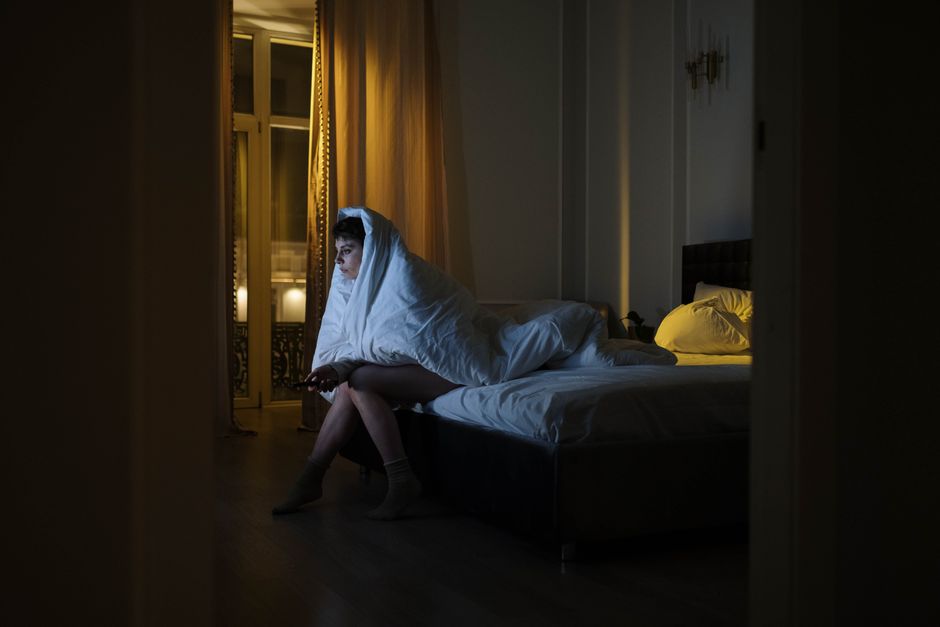
If your anxiety spikes when the sun goes down, you are not imagining it. Nighttime anxiety is a real and common experience, driven by a combination of brain chemistry, daily stress, and the quiet of the evening. When darkness falls, your mind often has fewer distractions, leaving more room for worry to take center stage.
Why Does Anxiety Get Worse at Night?
Your brain is wired to scan for threats. During the day, work, conversations, and tasks keep that system busy. At night, the input stops. Your brain has less to process, so it turns inward. That is when small worries can grow into bigger ones.
There is also a biological layer. Cortisol, your main stress hormone, follows a daily rhythm. It normally drops in the evening to help you wind down. For some people, that drop does not happen smoothly. The body stays alert when it should be relaxing.
Fatigue plays a role too. A tired brain has fewer resources to manage emotions. What feels manageable at 3 p.m. can feel overwhelming at 11 p.m. simply because your mental energy is spent.
What Happens in Your Body at Night
Anxiety is not just in your head. It is a full-body response. When your brain perceives a threat, it activates your sympathetic nervous system. This triggers the release of adrenaline and cortisol. Your heart rate rises. Your breathing becomes faster and shallower. Your muscles tense.
At night, this response is especially disruptive because it fights against your body’s natural sleep drive. Melatonin, the hormone that signals sleep, is rising. But adrenaline is pushing you to stay alert. The conflict between these two systems creates an uncomfortable state. You feel exhausted yet wired at the same time.
This physical activation can become a loop. You notice your heart pounding, which makes you more anxious. The anxiety makes your heart pound harder. Breaking that loop often requires addressing both the physical symptoms and the mental worry.
Common Triggers That Show Up After Dark
Several specific patterns tend to emerge at night. Recognizing them can help you understand what is driving your experience.
- Rumination: The quiet of the night gives your mind space to replay events. You may rehash conversations, worry about tomorrow, or dwell on mistakes. This repetitive thinking is a hallmark of nighttime anxiety.
- Anticipatory worry: You may start thinking about everything you need to do tomorrow. The list feels endless, and the pressure builds. This is especially common for people with busy schedules or high responsibilities.
- Fear of not sleeping: Worrying about whether you will fall asleep creates its own anxiety. The more you try to force sleep, the harder it becomes. This is sometimes called “sleep performance anxiety.”
- Unresolved emotions: During the day, you may push down difficult feelings to get through tasks. At night, those emotions surface. The quiet environment gives them room to be felt.
None of these triggers are signs of weakness. They are normal responses to stress and a busy life. The key is learning how to respond to them differently.





How to Calm Your Mind Before Bed
You do not need to eliminate all stress from your life to sleep better. You need tools to help your brain shift from alert mode to rest mode.
Create a worry window. Set aside 10 to 15 minutes earlier in the evening to write down everything on your mind. Put it on paper. Then close the notebook and tell yourself the worrying is done for the day. This gives your brain permission to let go.
Use a grounding technique. When your mind starts racing, bring your attention to your body. Notice the feeling of your feet on the floor. Feel the weight of the blanket. Listen to the sounds in the room. This pulls your brain out of future-thinking and back into the present moment.
Try paced breathing. Slow, steady breathing activates your parasympathetic nervous system, which is the opposite of the stress response. Breathe in for four counts, hold for four, and exhale for six. Repeat for a few minutes. The longer exhale is especially calming.
Get out of bed if you cannot sleep. If you have been lying awake for more than 20 minutes, get up. Sit in a dimly lit room and do something quiet, like reading or folding laundry. Return to bed only when you feel sleepy. This prevents your brain from associating the bed with frustration.
Can Your Daily Habits Make Night Anxiety Worse?
Yes. Several daytime habits can set you up for a restless night. Caffeine is a major one. It blocks adenosine, a chemical that builds up during the day and makes you sleepy. If you consume caffeine in the afternoon or evening, it can linger in your system for hours and keep your brain alert.
Alcohol is another factor. It may help you fall asleep initially, but it disrupts the later stages of sleep. As alcohol is metabolized, it can cause wakefulness and increased heart rate. This often leads to waking up in the middle of the night feeling anxious.
Screen time matters too. The blue light from phones and tablets can delay melatonin production. But it is not just the light. The content you consume matters. Scrolling through news or social media before bed can activate your stress response. Checking work emails keeps your brain in problem-solving mode.
Your overall stress load also carries into the night. If you are chronically stressed, your nervous system stays in a heightened state. Nighttime is the only moment your body tries to downshift, and that transition can feel uncomfortable.
When Should You Seek Professional Help?
Occasional nighttime anxiety is common and manageable. But if it happens most nights and interferes with your sleep or daily functioning, it is worth addressing with a professional.
Consider reaching out to a doctor or mental health provider if you experience any of the following:
- Anxiety that keeps you awake most nights for several weeks
- Physical symptoms like chest pain, shortness of breath, or a racing heart that concern you
- Panic attacks that wake you from sleep
- Daytime fatigue that affects your work or relationships
- Feelings of hopelessness or thoughts of harming yourself
If you have thoughts of self-harm, contact a crisis line or go to the nearest emergency room. This is a medical emergency, and help is available.
For persistent anxiety, cognitive behavioral therapy is one of the most effective treatments. It helps you identify and change the thought patterns that fuel worry. Some people also benefit from medication. A doctor can help you decide what approach fits your situation.
Does Anxiety at Night Mean You Have an Anxiety Disorder?
Not necessarily. Many people experience nighttime anxiety without meeting the criteria for an anxiety disorder. It can be a normal response to a stressful period, a big life change, or a poor sleep routine.
An anxiety disorder is different. It involves persistent, excessive worry that is difficult to control and interferes with daily life. The anxiety is often out of proportion to the actual situation. It lasts for months, not just a few nights.
Nighttime anxiety can be a symptom of an anxiety disorder, but it can also be a standalone issue. The distinction matters for treatment. If your anxiety is limited to nighttime and does not affect your daytime functioning, simple sleep hygiene and relaxation techniques may be enough. If it spills into your day, professional support is more likely to help.
Practical Steps for Tonight
You do not need to overhaul your entire life to get better sleep tonight. Start with small, concrete actions.
Dim the lights an hour before bed. This signals to your brain that the day is ending. Put your phone in another room or on airplane mode. Write down any lingering worries on paper. Do a few minutes of slow breathing while you settle into bed.
If anxiety still shows up, remind yourself that it is temporary. The feeling will pass. It always does. You do not have to fight it or solve every problem right now. You just have to let it be there without letting it take over.
Frequently Asked Questions
Is it normal for anxiety to get worse at night?
Yes, it is very common. The quiet of the evening removes daytime distractions, allowing worries to surface more easily.
Why does my anxiety spike when I try to sleep?
Your brain has fewer inputs to process, so it turns inward and scans for threats. This is a natural response, not a sign that something is wrong with you.
What is the fastest way to calm nighttime anxiety?
Slow breathing with a longer exhale is one of the quickest ways to activate your relaxation response. Breathe in for four counts and out for six, repeating for several minutes.
When should I see a doctor about nighttime anxiety?
See a professional if the anxiety keeps you awake most nights for several weeks or interferes with your daytime life. Persistent symptoms deserve proper evaluation.
