
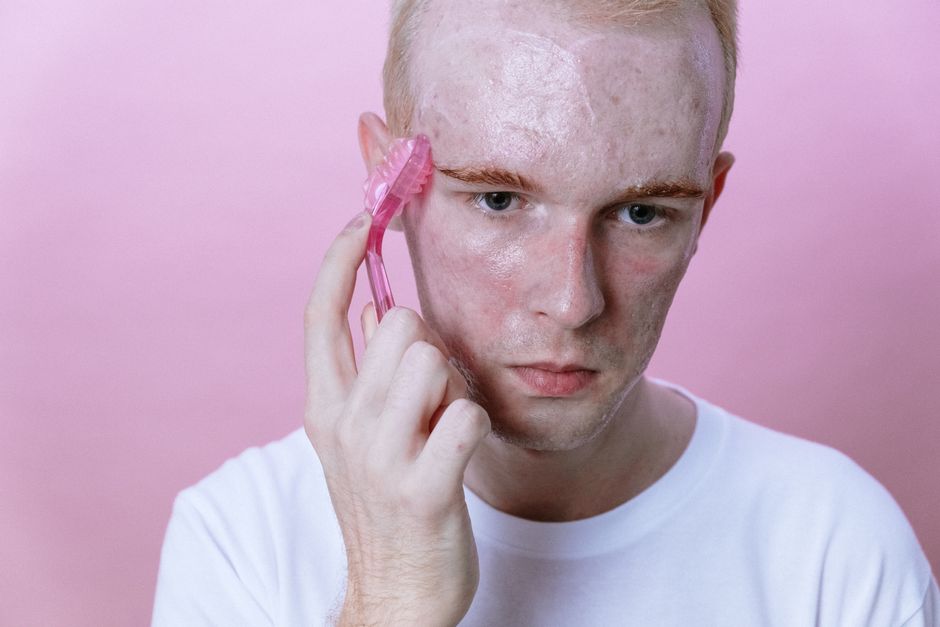
Painful acne is different from a typical whitehead or blackhead. The pain signals that inflammation runs deep under your skin, not just at the surface. Most painful breakouts are nodules or cysts that form when a pore wall ruptures and the immune system responds to the trapped oil, dead skin, and bacteria. That immune response causes swelling, redness, and tenderness. Relief starts with reducing that deep inflammation, not just drying out the surface of the skin.
Why does acne become painful?
Pain is a sign of inflammation. When a pore becomes blocked, bacteria that normally live on the skin, specifically Cutibacterium acnes, multiply inside the follicle. The immune system sends white blood cells to fight the bacteria. This fight causes swelling, heat, and pus. If the follicle wall breaks, the contents spill into the surrounding skin tissue. That triggers a larger inflammatory response, which is why the area feels hard, sore, and tender to the touch.
Not all acne hurts. A blackhead or whitehead is a non-inflamed clogged pore. It may look noticeable, but it usually does not cause pain. Painful acne means inflammation has reached deeper layers of the skin. The deeper the inflammation, the more nerve endings are involved, and the more pain you feel.
What types of acne are painful?
There are two main types of painful acne: nodules and cysts. Both form deep in the skin and are considered severe forms of acne.
Nodules are hard, solid lumps under the skin. They feel like small pebbles. They do not have a visible white head. They can be red, swollen, and painful for weeks. Nodules form when a pore wall ruptures and the contents spread into the surrounding tissue.
Cysts are similar but filled with pus. They feel softer than nodules because of the fluid inside. Cysts are also deep under the skin and can leave scars. Both nodules and cysts require more than over-the-counter spot treatments to resolve.
Some people also experience painful papules. These are small, red, raised bumps that are tender. They form when the wall of a hair follicle breaks down. They are less severe than nodules and cysts but still inflamed.
What causes deep, painful breakouts?
Several factors contribute to deep inflammatory acne. Hormones are the most common trigger. Androgens, hormones that increase during puberty and also fluctuate in adulthood, cause the sebaceous glands to produce more oil. More oil means a higher chance of clogged pores. In women, hormone shifts during the menstrual cycle often lead to painful breakouts along the jawline and chin about a week before the period starts.
Genetics play a role. If your parents had severe acne, you are more likely to develop nodules or cysts. Your skin type matters too. People with naturally oilier skin tend to have more blocked pores.
Stress does not directly cause acne, but it can make existing acne worse. Stress hormones like cortisol can increase oil production. Some research suggests that stress also slows wound healing, which means inflamed acne may take longer to clear.
Certain products can also trigger painful breakouts. Heavy moisturizers, thick foundations, and hair products that contain oils can block pores. This is called comedogenic acne. Switching to non-comedogenic products can help, but it will not fix an existing deep breakout.


Is it a pimple or something else?
Not every painful bump on the face is acne. Boils, also called furuncles, are painful, pus-filled bumps caused by staph bacteria in hair follicles. They look similar to cystic acne but often grow larger and feel hotter. Ingrown hairs can also form painful, inflamed bumps, especially in areas where you shave.
A condition called hidradenitis suppurativa causes painful lumps under the skin, typically in the armpits, groin, and under the breasts. These bumps can resemble acne but require different treatment. If you get painful lumps in these areas, mention it to your doctor. It is a separate condition from acne.
If a painful bump appears suddenly, grows rapidly, or is accompanied by fever, see a healthcare provider. These signs may indicate a skin infection that needs medical attention.
How to relieve painful acne at home
For mild to moderate painful acne, home care can help reduce inflammation. The goal is to calm the skin, not to aggressively scrub or pop the bump.
Apply a warm compress for 10 to 15 minutes, two to three times a day. The warmth increases blood flow to the area, which helps the immune system clear the inflammation. It can also bring a deep bump closer to the surface, making it easier for a doctor to drain if needed.
Use a benzoyl peroxide wash or gel on the affected area. Benzoyl peroxide kills bacteria and helps clear the pore. It works best when used consistently, not just on the day the pimple appears. Start with a lower strength, around 2.5 to 5 percent, to reduce irritation.
Salicylic acid can help by exfoliating dead skin cells that block pores. It is less effective on deep nodules but can prevent new breakouts. Look for it in cleansers or leave-on treatments.
Do not pop or squeeze a painful pimple. Squeezing pushes bacteria and oil deeper into the skin. This makes the inflammation worse and increases the risk of scarring. It can also cause the infection to spread to nearby pores.
Ice can numb the area and reduce swelling. Wrap an ice cube in a clean cloth and hold it on the bump for 5 minutes. Do not apply ice directly to the skin, as this can cause frostbite.
When to see a doctor for painful acne
Painful acne that does not improve with over-the-counter products deserves medical attention. If you have nodules or cysts that last more than a few weeks, see a dermatologist. These deep breakouts rarely respond to drugstore spot treatments alone.
Prescription options include topical retinoids like tretinoin, which speed up cell turnover and prevent clogged pores. Oral antibiotics can reduce the bacteria and inflammation, but they are typically used for a limited time to avoid antibiotic resistance. Spironolactone is sometimes prescribed for women with hormonal acne. It blocks androgen receptors and reduces oil production. Isotretinoin is reserved for severe, scarring acne that has not responded to other treatments. It is highly effective but requires close monitoring due to side effects.
Dermatologists can also treat a single painful cyst with a cortisone injection. This reduces inflammation within 24 to 48 hours. It is a quick, in-office procedure that can relieve pain and prevent scarring.
If you are pregnant or planning to become pregnant, tell your doctor before starting any acne medication. Many oral acne treatments, including isotretinoin and spironolactone, are not safe during pregnancy. Topical retinoids are also generally avoided during pregnancy.
Can painful acne be prevented?
Prevention focuses on keeping pores clear and reducing inflammation before it starts. Wash your face twice daily with a gentle cleanser. Avoid scrubbing, which irritates the skin and can make acne worse. Moisturize with a lightweight, non-comedogenic product, even if your skin is oily. Skipping moisturizer can cause the skin to produce more oil to compensate.
Shampoo regularly if you have oily hair. Hair products can transfer to the face and block pores, especially along the hairline and forehead. Change pillowcases at least once a week. Pillowcases collect oil, dead skin, and bacteria that can transfer to your face while you sleep.
Do not pick at your skin. Picking can turn a minor blemish into a deep, painful nodule. If you struggle with picking, consider keeping your nails short and using pimple patches as a physical barrier.
Diet may play a role for some people. Some research suggests that high-glycemic foods, like white bread and sugary drinks, may worsen acne. Dairy, particularly skim milk, has also been linked to acne in some studies. The evidence is not strong enough to recommend eliminating these foods for everyone, but if you notice a pattern between certain foods and your breakouts, it is reasonable to reduce them.
Why Is My Acne Painful Causes Types And Relief
Painful acne is caused by deep inflammation, not just clogged pores. The main types are nodules and cysts, which form below the skin surface. Relief requires reducing inflammation with warm compresses, consistent use of benzoyl peroxide, and avoiding squeezing. If the acne does not improve within a few weeks, a dermatologist can offer stronger prescription treatments. Prompt treatment of painful acne is important because these deep breakouts are the most likely to leave permanent scars.
Frequently Asked Questions
Why does my acne hurt when I touch it?
Pain when touched means the area is inflamed. Your immune system is fighting bacteria and trapped oil inside the pore, which causes swelling and tenderness.
How long does a painful pimple last?
A deep nodule or cyst can last several weeks. With prescription treatment like a cortisone injection, it can shrink within 48 hours.
Should I pop a painful pimple?
No. Popping pushes bacteria deeper and increases the risk of scarring and infection. Use a warm compress instead to help it drain naturally.
Is painful acne a sign of hormonal imbalance?
Not always, but hormones are a common cause. Painful breakouts along the jawline and chin often appear around the menstrual cycle in women, which points to a hormonal trigger.
