
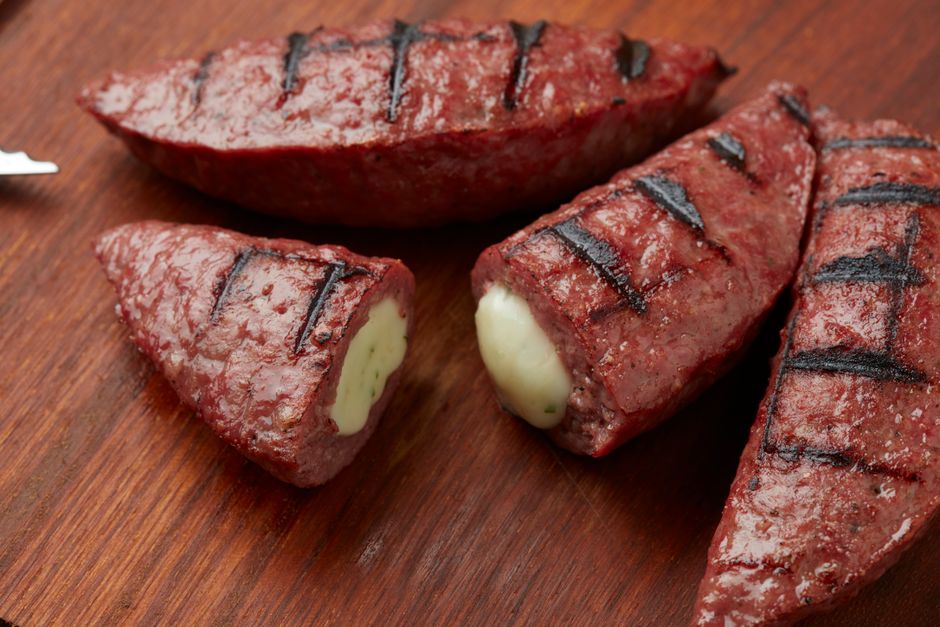
Meat is filling because it triggers a distinct set of hormonal and digestive signals that carbohydrates and fats do not. Protein stimulates the release of satiety hormones like GLP-1 and PYY, slows stomach emptying, and requires more energy to digest. It also produces a stronger feeling of fullness per calorie than either fat or carbohydrate. That combination is why a chicken breast can quiet hunger longer than a slice of bread with the same number of calories.
Why Is Meat So Filling Protein Hormones More?
Protein is the most satiating of the three macronutrients. That is one of the more consistent findings in nutrition research. When people eat meals matched for calories, the higher-protein version tends to leave them fuller and eating less afterward.
Meat is a concentrated source of protein. A 3-ounce serving of cooked chicken breast delivers roughly 26 grams of protein. The same amount of cooked beef provides about 22 to 25 grams depending on the cut. To get that much protein from most plant foods you would need a much larger volume of food.
But quantity alone does not explain the effect. The body responds to meat protein with a specific hormonal cascade. That cascade is the real reason meat feels so filling.
What Hormones Does Protein Trigger After a Meal?
When protein reaches the small intestine, specialized cells in the gut lining release a group of signaling hormones. The two most studied for fullness are GLP-1 (glucagon-like peptide-1) and PYY (peptide YY).
These hormones travel through the bloodstream and act on the brain and gut. They slow the rate at which the stomach empties. They reduce the contractions that move food through the digestive tract. And they signal the hypothalamus, the brain region that regulates hunger, to dial down appetite.
Protein is a particularly strong trigger for these hormones. Research published in journals covering gastrointestinal endocrinology has shown that protein-rich meals produce larger and more sustained rises in GLP-1 and PYY than meals high in fat or carbohydrate. This is one reason high-protein diets tend to reduce spontaneous calorie intake.
The hormone cholecystokinin, or CCK, also plays a role. CCK is released in response to fat and protein in the small intestine. It slows stomach emptying and contributes to the sensation of fullness. Meat contains both protein and fat, so it triggers CCK as well as GLP-1 and PYY.
This is worth pausing on. The satiety effect of meat is not just about protein. It is about protein plus fat acting on multiple hormone systems at once.
How Does Meat Slow Digestion Compared to Other Foods?
Meat takes longer to break down than most foods. Protein molecules are large and tightly folded. The stomach must secrete acid and enzymes to unwind them. This process takes time.
Fat slows stomach emptying even further. A lean cut of meat empties from the stomach faster than a fatty one. A ribeye will sit in the stomach longer than a skinless chicken breast. That longer residence time means stretch receptors in the stomach wall keep firing signals of fullness to the brain.
Carbohydrates are different. Refined carbohydrates like white bread or white rice are digested quickly. They can move through the stomach in a fraction of the time meat requires. Blood sugar rises fast, then falls. When it falls, hunger often returns.
This difference in digestion speed is a major part of why meat keeps you full longer. It is not a matter of belief or preference. It is a measurable difference in gastric emptying time.


Does Meat Burn More Calories During Digestion?
Yes, and this is a point many people miss. Digesting protein costs the body more energy than digesting fat or carbohydrate. This is called the thermic effect of food.
Protein has the highest thermic effect of the three macronutrients. Somewhere in the range of 20 to 30 percent of the calories from protein are burned just in the process of digesting and metabolizing it. For carbohydrates the figure is lower, and for fat it is lower still.
This does not mean meat is a weight-loss miracle. The extra calorie burn is real but modest. It does not offset the calories in the meat itself. But it does mean that a high-protein meal has a slightly smaller net calorie impact than its label suggests, and the metabolic activity may contribute to a sense of having eaten something substantial.
Why Does Protein Reduce Hunger More Than Carbs or Fat?
Protein wins on fullness for several reasons working together.
- It triggers the strongest release of satiety hormones like GLP-1 and PYY.
- It slows stomach emptying more than carbohydrate does.
- It has the highest thermic effect, meaning more metabolic activity after eating.
- It helps stabilize blood sugar, avoiding the rapid rise and fall that can trigger rebound hunger.
Fat also slows digestion and triggers CCK, so it is not that fat is not filling. But fat is calorie-dense. A small amount carries a lot of calories. Protein provides fullness with fewer calories per gram than fat. That ratio matters for how satisfied you feel per calorie consumed.
Carbohydrate is the least satiating per calorie for most people. This is especially true of refined carbohydrates, which digest quickly and can leave you hungry again within a couple of hours.
Does the Type of Meat Matter for Fullness?
All meat is high in protein, so all meat is filling to some degree. But the type affects how the body responds.
Lean meats like chicken breast, turkey, and lean cuts of pork or beef deliver a high protein-to-calorie ratio. They trigger strong satiety hormone responses without a large fat load.
Fatty cuts and processed meats contain more fat and often more calories per ounce. They may feel satisfying in the moment because fat slows digestion and adds flavor. But they deliver less protein per calorie. Over time, a diet built on fatty processed meats tends to be higher in calories for the same level of fullness.
Fish is also high in protein and tends to be filling. Some research suggests fish may be particularly satiating, though the evidence is not as strong as it is for protein in general.
Is Protein the Only Reason Meat Is Filling?
No. Protein is the main driver, but it is not the whole story.
Meat requires more chewing than soft foods. Chewing itself sends signals to the brain that contribute to fullness. The texture and density of meat also engage stomach stretch receptors more than liquids or soft grains do.
Meat also contains no fiber, which is worth noting because fiber is another well-established contributor to fullness. Plant foods like beans, lentils, and whole grains provide fiber that ferments in the colon and triggers some of the same satiety hormones. So meat is not the only food that triggers these pathways. It is simply a concentrated source of the macronutrient that triggers them most strongly.
The combination of high protein, slow digestion, chewing effort, and hormonal response makes meat one of the most filling foods per calorie available. That is not a marketing claim. It is a reflection of how human digestion works.
Does This Mean High-Protein Diets Help With Weight Loss?
Higher-protein diets tend to reduce spontaneous calorie intake, and some randomized trials have found modest weight loss advantages over lower-protein diets in the short term. The effect is real but usually small, and long-term results depend heavily on overall diet quality and adherence.
Protein is not a shortcut. It is one lever among many. People who eat more protein often feel less hungry, which can make it easier to eat less overall. But if the rest of the diet is poor or portions are large, the satiety effect will not override everything else.
The evidence does not support the idea that meat or protein alone causes weight loss. It supports the idea that protein helps regulate appetite, and appetite regulation is one piece of a larger picture.
Frequently Asked Questions
Why does meat keep me full longer than bread or pasta?
Meat is high in protein, which triggers satiety hormones like GLP-1 and PYY and slows stomach emptying. Refined carbohydrates digest quickly and can leave you hungry again within a couple of hours.
Which hormone makes you feel full after eating meat?
GLP-1 and PYY are the main satiety hormones released in response to protein, and CCK responds to both protein and fat. Together they slow digestion and signal the brain to reduce appetite.
Is chicken as filling as beef?
Both are high in protein and both are filling, but lean chicken delivers more protein per calorie. Fatty cuts of beef contain more fat and calories for the same amount of protein.
Does protein really burn more calories during digestion?
Yes, protein has the highest thermic effect of the three macronutrients, meaning the body burns more calories digesting it. The extra burn is real but modest and does not offset the calories in the food itself.
