
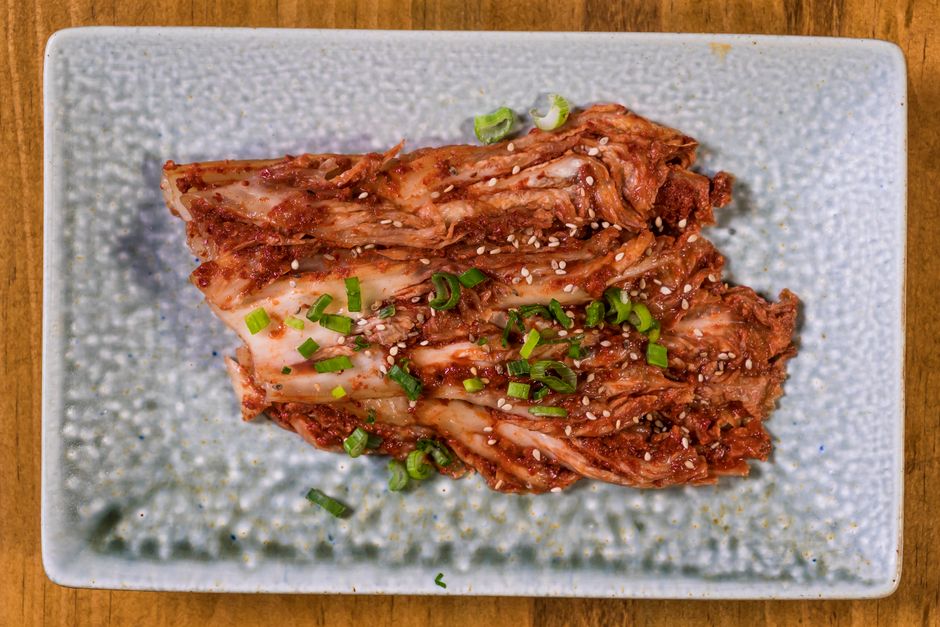
Kimchi is fermented cabbage, usually napa cabbage, mixed with salt, chili pepper, garlic, ginger, and other seasonings. That fermentation process is the key: it lets naturally present bacteria convert sugars into acids and other compounds, and it introduces living microbes into the final product. Those microbes, plus the compounds they create, are the main reason kimchi gets attention for gut health.
But the science is more specific than the headlines suggest. Some of what kimchi does for the gut is well documented. Some of it is promising but not proven. And a lot depends on which kimchi you eat, since store-bought and homemade versions vary widely in how much live bacteria they actually contain.
What Happens During Kimchi Fermentation?
Fermentation changes cabbage in ways that plain cabbage cannot replicate. Lactic acid bacteria, the same broad group found in yogurt and sauerkraut, drive the process. They feed on sugars in the cabbage and produce lactic acid, which lowers the pH and preserves the vegetable.
That acidity does two things. It keeps harmful bacteria from growing, and it changes the texture and taste. It also creates a food environment that already contains living bacteria when you eat it.
The main bacteria involved belong to groups called Leuconostoc, Lactobacillus, and Weissella, though the exact mix shifts depending on temperature, salt level, and how long the kimchi ferments. Early fermentation tends to favor one set of species. Later stages favor others. This is why kimchi made in different homes can taste noticeably different.
One clarification worth making: not all kimchi is fermented in a way that leaves live bacteria. Some commercial products are pasteurized, which kills the bacteria, or heat-treated for shelf stability. If the label does not say “unpasteurized” or “contains live cultures,” you may be getting the flavor without the microbes.
How Does Kimchi Support the Gut Microbiome?
Eating fermented foods introduces live bacteria into your digestive tract. Whether those bacteria take up residence is a separate question from whether they do anything useful along the way.
Most bacteria in fermented food do not permanently colonize the gut. Stomach acid and bile reduce their numbers, and the ones that survive tend to pass through rather than settle in. That does not make them useless. They can still interact with your existing gut bacteria, produce compounds as they travel, and influence the environment they move through.
Research on fermented foods and the microbiome has grown in recent years. Some studies indicate that regularly eating fermented foods is associated with greater diversity in gut bacteria. Diversity is generally considered a marker of a healthy microbiome, though researchers are still working out exactly what a “healthy” microbiome looks like and how much it varies between people.
Kimchi also delivers fiber and plant compounds from the cabbage, garlic, and chili. Fiber feeds your existing gut bacteria, which ferment it into short-chain fatty acids. These fatty acids are one of the better-understood ways the gut and the rest of the body communicate.
Is Kimchi Good for Gut Health in Ways Other Fermented Foods Are Not?
Kimchi is not unique. Sauerkraut, yogurt, kefir, and other fermented foods all deliver live bacteria. What sets kimchi apart is its specific mix of ingredients and the compounds they bring.
Garlic and chili, both standard in kimchi, contain plant compounds that have been studied for their effects on gut bacteria and inflammation. Cabbage itself is a cruciferous vegetable, a category linked to various health benefits in observational research. Whether these ingredients make kimchi meaningfully better than other fermented foods is not established. The honest position is that kimchi is one good option among several, not a superior one.
There is also a practical point. Kimchi is often eaten in small amounts as a side dish, maybe a few tablespoons per meal. That is a much smaller dose of live bacteria than, say, a full serving of yogurt or a glass of kefir. If you are eating kimchi mainly for the bacteria, portion size matters.
What Does the Research Actually Show?
Human studies on kimchi and gut health exist, but they are limited in number and size compared to research on some other fermented foods. Many kimchi studies have been done in cell cultures or animals, which can suggest mechanisms but cannot confirm what happens in people.
Some human studies suggest kimchi consumption may support digestive comfort or influence gut bacteria composition. Results vary, and study designs differ enough that drawing firm conclusions is difficult. Larger, longer trials would help, and they have not been done in the numbers needed to settle the question.
A related area of research looks at kimchi and metabolic markers like blood sugar and cholesterol. Some studies have reported changes in these markers, but again, the evidence is not strong enough to make kimchi a treatment for any condition.
What the research does not support is the idea that kimchi cures digestive disorders or repairs a damaged gut. No clinical evidence currently confirms that. Claims along these lines are marketing, not science.
How Much Kimchi Do You Need to Eat?
There is no established recommended amount of kimchi for gut health. No major health organization has issued a specific daily or weekly target, and the research does not point to a clear threshold.
Some studies have used servings in the range of a few tablespoons to a small bowl per day. That is a reasonable starting point for most people, but it is not a clinical recommendation. It reflects what researchers have studied, not what has been proven optimal.
If you are new to kimchi, starting with a small amount makes sense. Large amounts of any fermented food can cause bloating or digestive discomfort, especially at first, as your gut adjusts. This is not dangerous for most people, just uncomfortable.
Who Should Be Careful With Kimchi?
Kimchi is high in sodium. A typical serving can contain a meaningful share of the daily sodium limit, which is generally advised to stay under 2,300 milligrams per day for most adults, and lower for people with high blood pressure or certain heart and kidney conditions. If you are watching your salt intake, kimchi is something to count, not ignore.
Because kimchi contains live bacteria when unpasteurized, people with severely weakened immune systems may be advised to avoid it. This includes some people undergoing certain cancer treatments, organ transplant recipients, and others with significant immune suppression. If this applies to you, ask your doctor rather than deciding on your own.
Kimchi is also spicy and acidic. People with acid reflux, gastritis, or irritable bowel syndrome may find it triggers symptoms. That is an individual response, not a universal rule, but it is worth noticing.
For pregnant women, there is no specific clinical guidance on kimchi itself. The general food safety advice about unpasteurized fermented foods during pregnancy varies by source, so this is a question for your healthcare provider rather than something to assume either way.
Does Store-Bought Kimchi Work the Same Way?
Not necessarily. The live bacteria content of commercial kimchi varies widely.
- Unpasteurized, refrigerated kimchi is more likely to contain live cultures.
- Pasteurized or shelf-stable kimchi has been heat-treated, which kills the bacteria.
- Some products add starter cultures; others rely on whatever bacteria are naturally present.
- Sodium levels vary significantly between brands and homemade versions.
If live bacteria are what you are after, look for “unpasteurized” or “contains live cultures” on the label and choose refrigerated products. Even then, the number of live bacteria at the time you eat it depends on how it was stored and how long it has been sitting.
Making kimchi at home gives you more control, but it also means managing fermentation conditions yourself. Done properly, it is a well-established practice. Done carelessly, it can allow unwanted bacteria to grow. Food safety basics, like clean equipment and proper salt levels, matter.
The Bottom Line on Kimchi and Gut Health
Kimchi is a fermented food that can deliver live bacteria, fiber, and plant compounds to your gut. Those are real contributions. The evidence that it improves gut health is encouraging but not as strong as the marketing suggests, and much of it comes from small or preliminary studies.
It is a reasonable addition to a varied diet, especially if you enjoy it. It is not a treatment, and it is not uniquely powerful compared to other fermented foods. If you have a digestive condition, a weakened immune system, or you are pregnant, talk to your doctor before making it a regular part of your routine.
Frequently Asked Questions
Is kimchi actually good for your gut?
Kimchi contains live bacteria and fiber that can support the gut environment, and some studies suggest benefits, but the human evidence is limited. It is a reasonable part of a varied diet, not a proven treatment.
How much kimchi should I eat for gut health?
No official recommendation exists for kimchi specifically. Some studies have used a few tablespoons to a small serving per day, which is a reasonable starting point rather than a proven target.
Does cooking kimchi kill the good bacteria?
Yes. Heat kills the live bacteria in kimchi, so cooked kimchi dishes do not provide the same live cultures as raw kimchi. The flavor and nutrients remain, but the microbes do not survive cooking.
Can kimchi cause stomach problems?
It can for some people. Kimchi is spicy, acidic, and high in sodium, and it may trigger bloating, reflux, or digestive discomfort, especially in large amounts or for people with sensitive digestion.
