
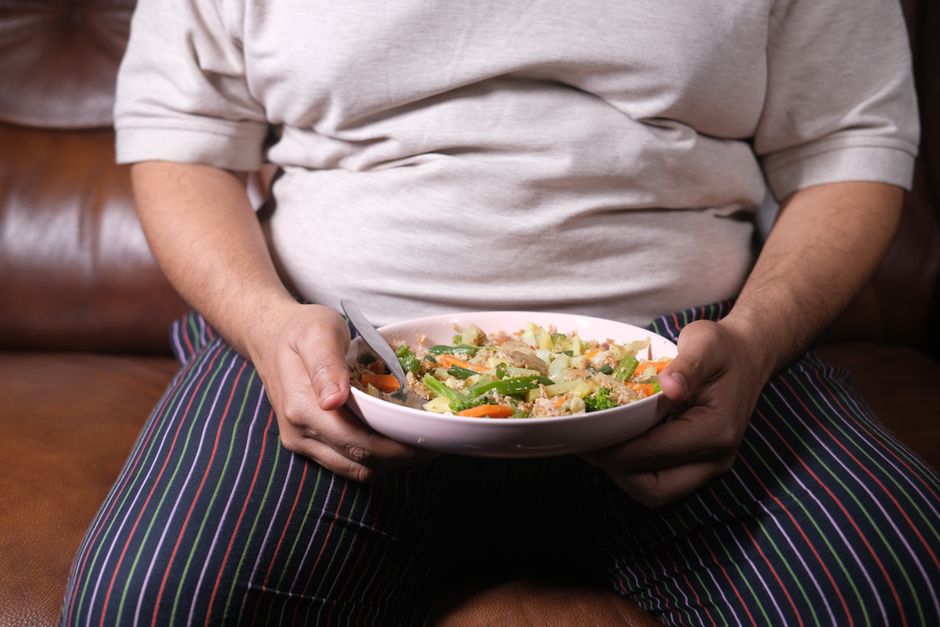
In vitro fertilization (IVF) is riskier for patients with obesity because excess body weight directly affects hormone levels, egg quality, and the uterine environment. The primary dangers are lower success rates, higher miscarriage rates, and increased pregnancy complications like gestational diabetes and preeclampsia. This happens because obesity changes how the body processes fertility medications and creates a physiological environment that makes implantation and early fetal development harder to achieve.
How Does Obesity Affect Fertility Medications?
Obesity changes how your body absorbs and processes medications, including the hormones used in IVF. Fat tissue stores these drugs, which means they may not reach the bloodstream as quickly or at the same concentration as they would in a patient with a normal BMI.
Clinicians often need to use higher doses of follicle-stimulating hormone (FSH) to stimulate the ovaries in patients with obesity. Despite these higher doses, the ovaries may still respond poorly. This can lead to fewer mature eggs being retrieved during the egg collection procedure.
The response is not predictable. Some patients with obesity respond normally to standard doses. Others need significantly more medication. This unpredictability makes cycle planning harder and can increase the total cost of treatment.
Why Are Egg and Embryo Quality Lower in Patients With Obesity?
Obesity affects the quality of the eggs themselves. Fat tissue produces excess estrogen, which disrupts the delicate hormonal balance needed for an egg to mature properly. This hormonal disruption can lead to eggs that are less likely to fertilize successfully.
Research consistently shows that patients with a higher BMI produce fewer mature eggs and have lower fertilization rates compared to patients with a normal BMI. The embryos that do form are often graded as lower quality under the microscope.
This is not about willpower or lifestyle. The physiological changes from excess fat tissue directly alter the environment in which eggs develop. Even when patients with obesity do everything else right, the egg quality issue remains a biological hurdle.
Some research also suggests that obesity affects the mitochondria inside the egg. Mitochondria are the energy-producing structures in cells. Eggs need high energy levels to divide and develop properly. When mitochondrial function is impaired, embryo development can stall.
What Happens During Implantation and Early Pregnancy?
Implantation is the process where the embryo attaches to the uterine lining. This process requires a receptive endometrium and a healthy embryo working together at exactly the right time. Obesity disrupts both sides of this equation.
Obesity is associated with chronic low-grade inflammation throughout the body. This inflammation can make the uterine lining less receptive to an embryo. The immune cells in the uterus behave differently, and this can interfere with the implantation process.
Even after implantation occurs, the risk of miscarriage is higher. Studies have found that patients with obesity have a higher rate of pregnancy loss in the first trimester compared to patients with a normal BMI. The exact mechanism is not fully understood, but it likely involves both the embryo quality issues and the inflammatory environment of the uterus.
This is why IVF success rates are lower for patients with obesity. The problem is not one single step failing. It is multiple steps — egg quality, embryo development, implantation, and early survival — each being slightly more difficult than in a patient without obesity.




Why Is Pregnancy Itself More Dangerous?
Once pregnancy is achieved, the risks increase further. Patients with obesity who become pregnant through IVF face higher rates of gestational diabetes, preeclampsia, and hypertensive disorders. These conditions can affect both the mother and the baby.
Gestational diabetes is more common because obesity already impairs insulin sensitivity. Pregnancy adds additional insulin resistance, and the combination can push blood sugar levels into the diabetic range.
Preeclampsia is a serious condition characterized by high blood pressure and organ damage, usually affecting the kidneys. The chronic inflammation and vascular changes associated with obesity increase the risk of this condition developing during pregnancy.
These complications are not unique to IVF pregnancies. They occur in spontaneous pregnancies in patients with obesity as well. However, because IVF pregnancies are often closely monitored, these conditions may be detected earlier and managed more actively.
What Is the Recommended BMI for IVF Treatment?
Many fertility clinics have BMI cutoffs for IVF treatment. The most common cutoff is a BMI of 40 or higher, though some clinics use 35. These policies exist because the evidence shows that success rates drop significantly at higher BMI levels.
The American Society for Reproductive Medicine has stated that clinics may reasonably decline treatment to patients with a BMI above a certain threshold. This is not discrimination. It is a medical judgment based on evidence that outcomes are poorer and risks are higher.
Some clinics require patients to lose weight before starting IVF. Others will treat patients with higher BMI but counsel them thoroughly about the risks and lower success rates. There is no universal standard, and policies vary significantly from clinic to clinic.
If you have a BMI above 35 and are considering IVF, ask your clinic directly about their policy. Do not assume they will treat you. Knowing this information upfront can save you time, money, and emotional distress.
Does Weight Loss Before IVF Improve Outcomes?
The evidence is clear that weight loss improves IVF outcomes. Studies show that losing even 5 to 10 percent of body weight can improve egg quality, increase pregnancy rates, and reduce miscarriage risk.
This does not mean you need to reach a “perfect” BMI before trying IVF. The benefits of weight loss appear to be gradual. Any amount of weight loss is likely to help, even if you do not reach the normal BMI range.
Weight loss should happen before starting the IVF cycle, not during it. IVF medications cause hormonal changes that can make weight management harder. The weeks of stimulation and the post-transfer period are not the time to start a restrictive diet.
Some research suggests that bariatric surgery before IVF improves outcomes for patients with severe obesity. This is a major decision that requires careful discussion with both a fertility specialist and a bariatric surgeon. It is not appropriate for everyone, and it delays fertility treatment by at least a year.
Are There Alternative Treatments for Patients With Obesity?
IVF is not the only fertility treatment option. For some patients with obesity, less invasive treatments may be worth trying first, depending on the cause of infertility.
Ovulation induction with oral medications like letrozole or clomiphene may be effective for patients who are not ovulating regularly. These medications are cheaper than IVF and less physically demanding. However, they do not overcome egg quality issues or fallopian tube problems.
For patients who cannot achieve pregnancy with IVF due to repeated implantation failure, using a donor egg may be an option. Donor eggs come from young, healthy women and bypass the egg quality issues associated with obesity. This option is expensive and involves complex ethical and emotional considerations.
Some patients with obesity and severe male factor infertility may consider intrauterine insemination (IUI) with donor sperm. This is a much simpler procedure than IVF, though success rates are lower per cycle.
The right treatment depends entirely on your specific situation. A fertility specialist can help you understand which options are realistic for your age, your ovarian reserve, and your partner’s fertility status.
Frequently Asked Questions
Can I do IVF if my BMI is over 40?
Some clinics will treat you, but many have a BMI cutoff of 40 or lower. Ask your specific clinic about their policy before investing time and money in testing.
How much weight do I need to lose before IVF?
Losing 5 to 10 percent of your body weight is a reasonable goal that research shows can improve outcomes. Any weight loss is likely to help, even if you do not reach a normal BMI.
Does obesity cause IVF to fail?
Obesity lowers the chance of success but does not guarantee failure. Many patients with obesity do achieve healthy pregnancies through IVF, especially if other fertility factors are favorable.
Is it safe to lose weight during an IVF cycle?
No, weight loss during an active IVF cycle is not recommended. Focus on weight loss before starting your cycle and maintain a stable weight during treatment.
