
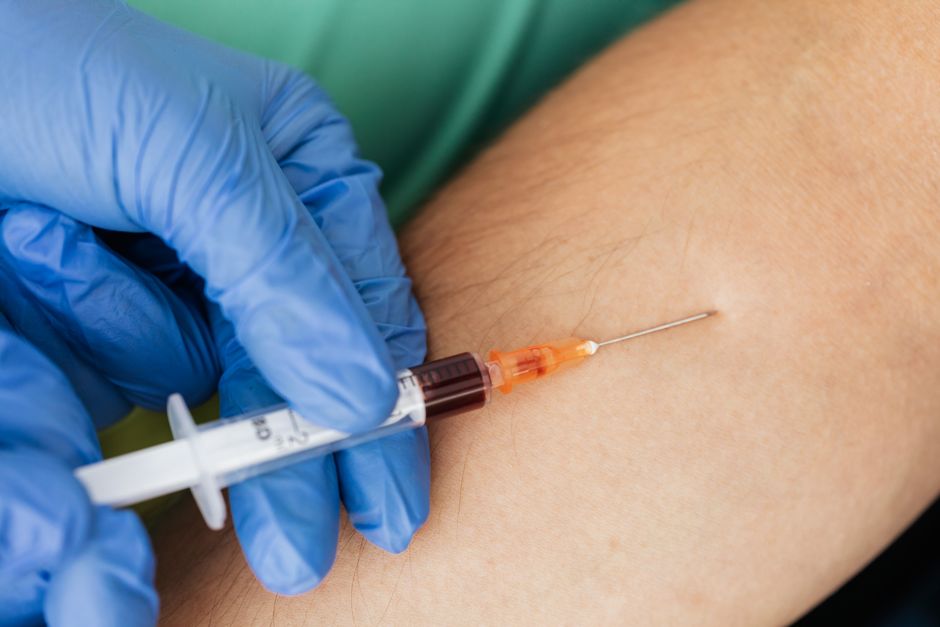
Getting your blood drawn can feel like a simple procedure, but for some people, it is a stressful and painful ordeal. If the phlebotomist has to dig around, try again, or move to the other arm, you might wonder what is going wrong. The difficulty usually comes down to your veins being hard to find, too small, or prone to collapsing under the pressure of the needle. It is rarely a reflection of your health, and it is a common problem that has clear explanations.
Why Is It Hard To Draw My Blood? The Reason
The most common reason a blood draw is difficult is that the vein is not easily visible or palpable. To insert a needle safely, a specialist needs to see or feel a vein that is large enough and has enough blood flow. If your veins are deep under the skin, narrow, or rolling to the side, the needle may miss its target. Dehydration is also a major factor because it lowers your blood volume, making veins flatter and harder to access.
Your body’s natural stress response can make it worse. When you are anxious about the needle, your blood vessels constrict. This is a normal physiological reaction, but it shrinks the very veins the phlebotomist is trying to hit. This combination of small, deep, or constricted veins is the direct reason why some draws fail on the first attempt.
What Makes Some Veins Harder To Find Than Others?
Vein visibility is not a measure of your overall health. It is largely determined by anatomy and hydration levels. People with a higher body mass index often have a thicker layer of subcutaneous fat that sits between the skin and the vein. This makes the vein harder to feel, even if it is a healthy size.
Age also changes the structure of your veins. As you get older, veins lose elasticity and can become more fragile. They may roll when the needle tries to enter, moving sideways instead of allowing a clean puncture. Frequent blood draws or IV use over the years can cause scar tissue to form in the vein, which makes it tougher for a needle to penetrate.
Genetics play a role too. Some people simply have smaller veins, especially in the arms. This is not a deficiency; it is just the way the circulatory system developed. A specialist may need to look at the back of your hand or your wrist to find a better option.
Does Dehydration Really Affect Blood Draws?
Yes, and it is one of the most controllable factors. Water makes up a large portion of your blood plasma. When you are dehydrated, your blood volume drops. The veins do not have as much fluid pushing against their walls, so they become less plump and more difficult to locate.
This is why you are often told to drink plenty of water before a fasting blood test. Even if you cannot eat, you are usually encouraged to drink water. A well-hydrated vein is firmer and more visible. If you arrive for a draw after a long night of sleep without water, your veins will naturally be flatter than they would be in the afternoon.
If you have a failed draw, ask if you can drink a glass of water and wait a few minutes. This is a safe and common practice that often makes a second attempt much easier.



Why Do Veins Collapse or Roll During a Draw?
Veins are not rigid tubes. They are flexible vessels with thin walls. When a needle is inserted, the pressure can cause the vein to flatten or collapse if the blood flow is low or if the vein is particularly small. This is not a sign of a serious condition. It is a mechanical issue that happens when the suction from the vacuum tube is too strong for the size of the vein.
Rolling veins are a different problem. These are veins that are not anchored tightly by surrounding tissue. When the needle touches the skin, the vein moves out of the way. An experienced phlebotomist will often pull the skin taut to anchor the vein in place, but even with this technique, some veins are simply too mobile.
In these cases, the specialist may choose a smaller needle or switch to a syringe instead of a vacuum tube. The gentler suction gives the vein a better chance of staying open long enough to collect the sample.
Does Anxiety Actually Make It Worse?
Anxiety does not just make the experience unpleasant; it physically changes your veins. The fight-or-flight response triggers the release of adrenaline, which causes blood vessels in the skin and extremities to constrict. This is a survival mechanism that redirects blood to your major muscles, but it is counterproductive for a blood draw.
This is why a calm patient is often easier to draw blood from. If you know you are nervous, tell the phlebotomist before they start. They may ask you to look away, take deep breaths, or lie down. Lying down can help because it reduces the effect of gravity on your circulation and can make veins in the arm appear fuller.
Some clinics use a warm pack on the arm for a few minutes before the draw. Heat causes the blood vessels to dilate, which increases blood flow to the area and makes the veins more prominent. This is a simple, effective technique that is widely used in clinical practice.
What Are the Best Veins for a Blood Draw?
The standard location is the antecubital fossa, which is the inside of your elbow. This area is preferred because the veins here are usually larger and closer to the surface. The three main veins used are the median cubital, the cephalic, and the basilic veins.
The median cubital vein is usually the first choice because it is well anchored and less likely to roll. The cephalic vein is on the thumb side of the arm and is often more visible, but it can be more mobile. The basilic vein is on the pinky side and is often the last choice because it sits closer to nerves and arteries, making it riskier.
If these veins are not accessible, the phlebotomist may look at the back of your hand or your wrist. These veins are smaller, so they are used when the arm veins have failed. They also tend to be more sensitive, so the draw may be more uncomfortable.
Are There Medical Conditions That Make Blood Draws Harder?
Certain health conditions can make veins more difficult to access. Chronic conditions that affect circulation, such as peripheral artery disease, can reduce blood flow to the limbs. This makes the veins less full and harder to find.
People with diabetes may have harder, less elastic veins due to repeated blood sugar monitoring and the effects of high glucose on the vascular system over time. Similarly, individuals with kidney disease or those on dialysis often have scarred veins from frequent access.
If you have a known condition that affects your veins, it is helpful to mention this to the phlebotomist before the draw. It may change their approach or the equipment they choose. This is not a reason to worry, but it is practical information that can save you from a second needle stick.
What Can You Do To Make a Blood Draw Easier?
There are several steps you can take before you arrive for your appointment. The most effective is to drink plenty of water in the hours leading up to the draw. Aim to be well-hydrated, but do not overdo it to the point of discomfort.
Keep your arms warm. Wear a light jacket or long sleeves, or ask for a warm pack when you arrive. Warmth dilates the veins and makes them more visible. Avoid heavy exercise or lifting weights on the day of the draw, as this can affect your fluid balance and muscle tone.
If you have a history of difficult draws, tell the phlebotomist immediately. They may choose a butterfly needle, which is smaller and more flexible, or they may use a syringe instead of a vacuum tube. These tools give them more control and are often used specifically for hard-to-find veins.
Frequently Asked Questions
Why does my vein collapse when they draw blood?
Veins collapse when the suction from the vacuum tube is stronger than the blood flow in the vein. This is common in small or dehydrated veins and is not a sign of a serious health problem.
How can I make my veins easier to find for a blood test?
Drink plenty of water in the hours before your appointment and keep your arms warm. Both of these actions increase blood flow and make your veins more visible and easier to access.
Is it normal for a nurse to struggle to find my vein?
Yes, it is very common, especially if you have small, deep, or rolling veins. It is not a reflection of your health, and experienced phlebotomists are trained to handle these situations with different techniques or equipment.
Does drinking coffee before a blood test affect the draw?
Caffeine can act as a mild diuretic, which may slightly affect hydration levels. However, the bigger issue is that caffeine can increase anxiety, which constricts blood vessels. If you are nervous, it may be better to skip the coffee before your draw.
