
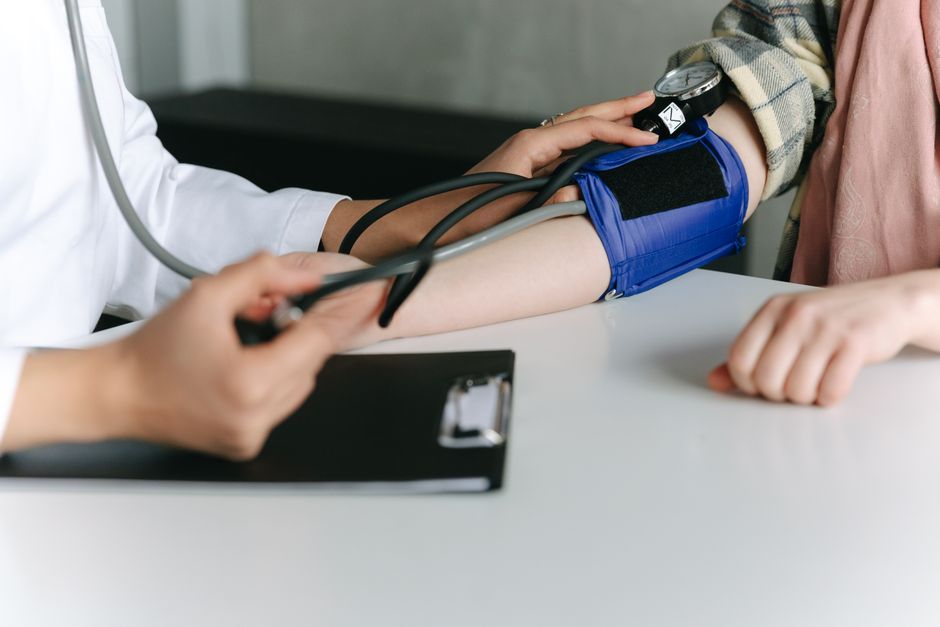
High blood pressure is called the silent killer because it usually causes no symptoms at all while it quietly damages your heart, brain, kidneys, and blood vessels. You can feel completely fine with a blood pressure of 160/100. The damage builds for years, and for many people the first sign is a heart attack or stroke. That gap between feeling healthy and having serious disease is what makes it silent, and what makes it deadly.
Why Is High Blood Pressure Known As The Silent Killer?
The name comes down to one fact: hypertension rarely produces symptoms you can feel. Headaches, nosebleeds, and feeling flushed are commonly blamed on high blood pressure, but they are not reliable signs of it. Most people with hypertension have no idea they have it until a routine check or a medical emergency reveals it.
Meanwhile, the condition keeps working. Elevated pressure puts continuous mechanical stress on artery walls. The heart pumps harder to push blood through. Over time this leads to thickening of the heart muscle, stiffening of the arteries, and damage to the small blood vessels in the kidneys and eyes. None of this registers as a sensation.
The numbers matter here. Normal blood pressure is generally considered below 120/80. Hypertension is diagnosed at 130/80 or higher under current American College of Cardiology and American Heart Association guidelines. The gap between those two points is where a lot of quiet damage happens.
This is why blood pressure is measured rather than felt. There is no reliable way to know your number without a cuff.
What Blood Pressure Numbers Actually Mean
Blood pressure is written as two numbers. The top number, systolic pressure, is the force against your artery walls when your heart beats. The bottom number, diastolic pressure, is the pressure when your heart rests between beats.
Both numbers carry information. For younger adults, a high diastolic reading can be an early warning. For people over 50, systolic pressure tends to matter more because arteries stiffen with age. Either number being elevated is enough to warrant attention.
Here is how the categories break down under current US guidelines:
- Normal: below 120/80
- Elevated: systolic 120–129 and diastolic below 80
- Stage 1 hypertension: 130–139 systolic or 80–89 diastolic
- Stage 2 hypertension: 140 or higher systolic, or 90 or higher diastolic
- Hypertensive crisis: above 180 systolic or above 120 diastolic — this needs immediate medical attention
One reading does not define hypertension. Blood pressure fluctuates through the day. Clinicians typically confirm a diagnosis across multiple readings, often including measurements taken at home. A single high reading at a doctor’s office can reflect stress or the setting itself, a pattern known as white coat hypertension.
What High Blood Pressure Does to the Body Over Time
Hypertension damages tissue by two main routes: direct pressure injury and reduced blood supply to organs. The effects accumulate silently across years.
In the heart, sustained high pressure forces the left ventricle to work harder. The muscle thickens, a condition called left ventricular hypertrophy. A thickened heart is stiffer and less efficient, which raises the risk of heart failure. High pressure also accelerates atherosclerosis, the buildup of plaque in the arteries, which narrows blood flow and can trigger heart attacks.
In the brain, damaged and weakened blood vessels raise the risk of stroke. Hypertension is the single most important modifiable risk factor for stroke. It also contributes to vascular dementia and cognitive decline through reduced blood flow and small vessel damage.
In the kidneys, the tiny filtering vessels are especially vulnerable. Chronic high pressure damages them, reducing the kidneys’ ability to filter waste. Kidney disease and hypertension feed each other in a worsening loop.
In the eyes, the small vessels of the retina can bleed or leak, a condition called hypertensive retinopathy. In severe cases it threatens vision.
None of these processes announce themselves early. That is the core of the silent killer problem.
Why Do So Many People Have It Without Knowing?
The scale of undiagnosed hypertension is large. According to the Centers for Disease Control and Prevention, roughly half of US adults have high blood pressure, and a substantial share of them do not have it under control. Many do not know they have it at all.
Several factors explain the gap.
No symptoms. People tend to see a doctor when something feels wrong. Hypertension gives them nothing to feel.
Inconsistent screening. Blood pressure is quick to measure, but not everyone gets it checked regularly. Young adults in particular may go years without a reading.
Normalized numbers. Some people are told their pressure is “a little high” and treat it as unimportant. In reality, even mildly elevated pressure over decades raises cardiovascular risk.
Cost and access. For people without regular health care, undiagnosed hypertension is common.
There is a non-obvious point worth making here. Home blood pressure monitors are inexpensive and widely available, and measuring at home gives a more complete picture than a single office reading. For anyone with a family history of hypertension or other risk factors, tracking your own numbers is one of the more useful things you can do. It is information, not a diagnosis, but it is information a clinician can use.
Who Is at Higher Risk?
Some people are more likely to develop hypertension than others. Risk factors include:
- Age — risk rises with age as arteries stiffen
- Family history of high blood pressure
- Excess body weight
- Physical inactivity
- A diet high in sodium and low in potassium
- Heavy alcohol use
- Tobacco use
- Chronic stress and poor sleep
- Certain chronic conditions, including diabetes and kidney disease
Hypertension also affects some groups disproportionately. Black adults in the US develop high blood pressure earlier, more often, and with worse outcomes than other groups. The reasons are not fully explained by genetics alone and likely involve social, environmental, and health care access factors.
Risk factors are not destiny. Many are modifiable, and identifying them early gives you and a clinician a chance to act before damage accumulates.
Can You Have High Blood Pressure and Feel Fine?
Yes, and this is the norm rather than the exception. Feeling fine is not evidence that your blood pressure is normal.
Some people with very high pressure do report headaches, but the evidence linking headaches to hypertension is weaker than commonly assumed. A severe headache can occur in a hypertensive crisis, but it is not a reliable everyday warning sign. Relying on how you feel to judge your blood pressure is a mistake.
The same applies to how you look. Hypertension does not have a visible appearance. You cannot see it in someone’s face or gauge it from their energy level.
The practical takeaway is simple: measure it. A blood pressure check takes under a minute and is available at most pharmacies, clinics, and through a home monitor. It is the only way to know.
What Happens When It Goes Untreated?
Untreated hypertension shortens lives and reduces their quality. The complications are well documented:
- Heart attack and heart failure
- Stroke
- Kidney disease and kidney failure
- Vision loss
- Peripheral artery disease
- Cognitive decline and vascular dementia
The good news is that treating hypertension works. Lowering blood pressure reduces the risk of stroke, heart attack, and other complications. The evidence for this is strong and consistent across many studies. The challenge is that treatment only happens if the condition is found, and finding it requires measurement.
Treatment is not one-size-fits-all. Lifestyle changes such as reducing sodium, increasing physical activity, losing excess weight, and limiting alcohol can lower blood pressure. Some people also need medication. Which approach fits depends on the person, the numbers, and other health conditions, and that is a conversation with a clinician.
What is clear is that doing nothing is not neutral. Untreated hypertension keeps damaging organs, quietly, whether or not you feel it.
Why the “Silent” Part Is the Dangerous Part
Most serious diseases give some warning. Hypertension mostly does not. That is what separates it from conditions people naturally pay attention to.
Because there is no discomfort to prompt action, hypertension depends on systems and habits rather than symptoms. Regular checks, home monitoring, and acting on the numbers are what catch it. The silence is not a sign that nothing is wrong. It is the reason to look.
Frequently Asked Questions
Can high blood pressure cause symptoms?
Most people with high blood pressure have no symptoms at all. In a hypertensive crisis, severe headache, chest pain, or shortness of breath can occur, but these are not reliable everyday warning signs.
How often should I check my blood pressure?
Adults should have blood pressure measured at regular health visits, and home monitoring can add useful information between visits. Ask a clinician how often is right for you based on your readings and risk factors.
What blood pressure is considered dangerously high?
A reading above 180 systolic or above 120 diastolic is considered a hypertensive crisis and needs immediate medical attention. Readings in the stage 2 range also warrant prompt clinical follow-up.
Can I lower blood pressure without medication?
Some people can lower blood pressure through lifestyle changes such as reducing sodium, increasing activity, and losing excess weight. Whether medication is also needed depends on your numbers and overall health, which is a decision to make with a clinician.
