
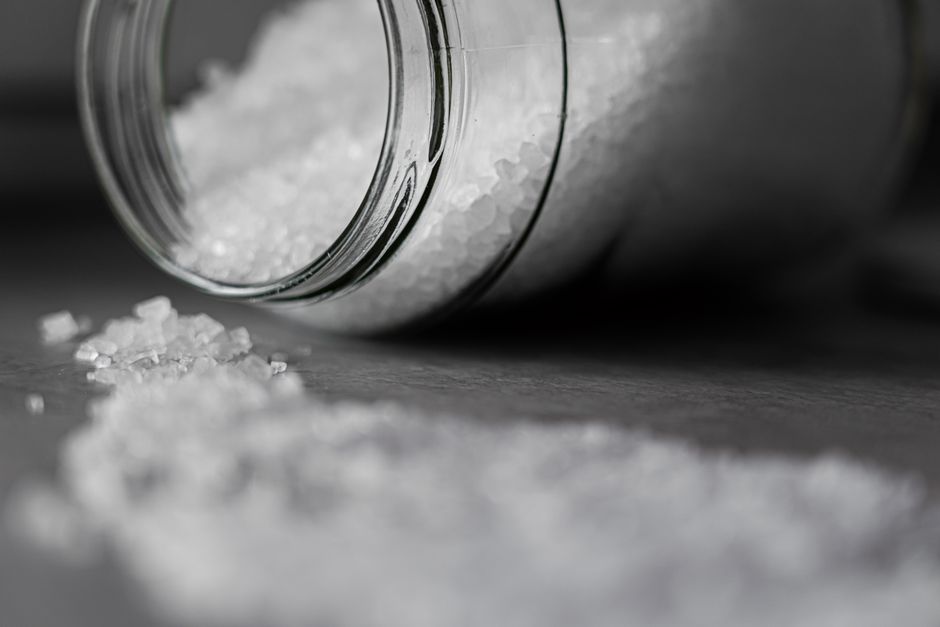
Ham tastes salty because salt is not just a seasoning in cured ham — it is the curing agent itself. Salt pulls moisture out of the meat, slows bacterial growth, and changes the texture in ways that plain fresh pork never develops. That process is why a single serving of cured ham can carry a large share of the sodium you are supposed to eat in an entire day. The good news is that the saltiness is manageable, and a few simple steps can lower the sodium without ruining the meat.
Why Is Ham Salty Curing Sodium And How To Fix It?
Cured ham is salty because salt is central to how it is made. Producers pack the meat in salt, brine it, or inject it with a salt solution. The salt does two jobs at once: it draws water out of the muscle tissue and it creates an environment where many spoilage bacteria and pathogens struggle to survive.
This is not a small amount of salt. A typical cured ham can contain several hundred milligrams of sodium in a modest slice, and some varieties run much higher. The exact number depends on the type of ham, how it was cured, and whether water or other ingredients were added.
There is a useful distinction here that many people miss. Salt and sodium are not the same thing. Salt is sodium chloride. About 40 percent of salt’s weight is sodium, and the rest is chloride. So when a label lists sodium, it is telling you about one component of the salt, not the total weight of the salt itself.
Fixing the saltiness comes down to a few practical moves: choosing lower-sodium ham varieties, rinsing and soaking before cooking, and pairing ham with foods that do not add more sodium to the plate.
How Does the Curing Process Actually Work?
Curing is an old method of preserving meat, and the chemistry behind it is well understood. When salt contacts the surface of pork, it begins to move into the muscle through a process called osmosis. Water moves out, and salt moves in.
As salt penetrates, it changes the proteins in the muscle. This is part of why cured ham has a firm, dense texture and a pink color rather than the gray-brown of cooked fresh pork. The pink color usually comes from nitrite or nitrate, which are also used in curing to inhibit the growth of Clostridium botulinum, the bacterium that causes botulism.
Salt also lowers what is called water activity — the amount of water available for microbes to use. With less available water, many bacteria cannot multiply. This is one reason cured and dried meats keep far longer than fresh meat.
The trade-off is unavoidable. The same salt that preserves the meat and shapes its texture is the salt you end up eating.
How Much Sodium Is in Different Types of Ham?
Sodium content varies widely across ham products. The numbers below are approximate and reflect typical values, but actual amounts depend on the brand and curing method. Always check the label for the specific product.
| Type of Ham | Approximate Sodium per 3 oz (85 g) |
|---|---|
| Fresh (uncured) pork | Around 50–60 mg |
| Regular cured ham | Roughly 1,000–1,200 mg |
| “Lower sodium” or reduced-sodium ham | About 25% less than regular |
| Country or dry-cured ham | Often higher than regular |
| Canned ham with added water | Varies; often 700–900 mg |
For context, US dietary guidance generally recommends keeping sodium under 2,300 mg per day for most adults. A single 3-ounce serving of regular ham can therefore supply close to half of that daily target before you add anything else to the meal.
Some people are advised to aim lower — often around 1,500 mg per day. That includes people with high blood pressure, kidney disease, or a history of heart failure. If you fall into one of those groups, ham is worth eating with real attention to portion size.




How Do You Reduce the Sodium in Ham?
You can lower the sodium in ham at home, though you cannot remove all of it. The salt is distributed throughout the meat, not just on the surface, so the reduction is partial.
- Rinse it. Running ham under cool water removes surface salt. This helps most with thin slices and less with thick cuts.
- Soak it. Soaking ham in cold water for a period of time can draw out some salt. Change the water once or twice. This works better for whole pieces than for deli slices.
- Choose reduced-sodium products. Labels that say “reduced sodium” or “lower sodium” mean the product has at least 25 percent less sodium than the regular version. That is a real reduction, but the ham is still salty.
- Watch portion size. A smaller serving is the most reliable way to cut sodium. Two ounces instead of four roughly halves the amount.
- Skip the glaze and the drippings. Honey-glazed and spiral-cut hams often have added sodium in the glaze, and pan drippings concentrate salt.
One thing that does not work well: expecting a quick rinse to turn regular ham into a low-sodium food. It will not. Rinsing helps at the edges, but the interior stays salty.
Does Soaking Ham Really Remove Salt?
Soaking does remove some salt, and this is well established in food science. The mechanism is straightforward: when ham sits in fresh water, salt moves from the meat into the water until the concentrations balance out. Changing the water resets that gradient and pulls out more.
How much you can remove depends on the thickness of the meat, how long you soak, and the water temperature. Thin deli slices lose salt quickly because the salt has little distance to travel. A whole ham loses salt mostly near the surface, so the center stays salty.
A practical approach: soak a whole or half ham in cold water in the refrigerator, change the water a couple of times, and taste before cooking. Do not soak at room temperature, because that gives bacteria a chance to grow.
What About “Uncured” or “No Nitrate Added” Ham?
Ham labeled “uncured” or “no nitrates added” is not necessarily lower in sodium. This is one of the more common misunderstandings about ham.
These products are usually still cured — just with naturally occurring nitrates from sources like celery juice or sea salt instead of synthetic nitrite. The sodium content is often similar to or even higher than regular cured ham, because salt is still essential to the process.
The “uncured” label describes the source of the curing agents, not the salt level. If your goal is to reduce sodium, read the nutrition panel rather than the front-of-package wording.
How Can You Fit Ham Into a Lower-Sodium Diet?
Ham does not have to be off the table, even if you are watching sodium. The key is balance and portion control across the whole meal, not just the ham itself.
Pair ham with foods that are naturally low in sodium. Fresh vegetables, plain rice, potatoes, and unsalted grains all help. Avoid stacking ham with other salty foods like pickles, olives, cured cheeses, or salty breads, because the sodium adds up fast.
If you are cooking a dish that calls for ham — like a soup, a casserole, or beans — use ham as a flavoring rather than the main ingredient. A small amount of diced ham can season a large pot without pushing the sodium too high.
For people with high blood pressure, heart failure, or kidney disease, sodium intake matters more than it does for the general population. If you are unsure how much sodium is appropriate for your situation, that is a conversation worth having with your doctor rather than guessing.
Is Lower-Sodium Ham a Healthy Choice?
Lower-sodium ham is a reasonable option if you enjoy ham and want to cut back on salt, but “lower sodium” does not automatically make a food healthy. These products are still processed meats.
Research on processed meat consumption and health outcomes has generally found associations with certain health risks when intake is high. That does not mean any single serving is dangerous. It means that processed meats like ham are best treated as occasional foods rather than daily staples.
Fresh, unprocessed meats do not carry the same sodium load. If sodium is your main concern, fresh pork, poultry, or fish prepared without added salt will almost always be lower in sodium than cured ham.
Frequently Asked Questions
Why is ham so high in sodium?
Salt is used in curing to preserve the meat, draw out moisture, and shape its texture, so it stays in the final product. That is why even a small serving of cured ham can carry a large share of your daily sodium.
Does soaking ham remove the salt?
Soaking removes some salt, mainly from the outer layers of the meat, and changing the water pulls out more. It works better on whole pieces than on thin deli slices, and the center of a thick cut stays salty.
Is reduced-sodium ham actually low in sodium?
Reduced-sodium ham has at least 25 percent less sodium than the regular version, but it is still a salty food. Check the nutrition label to see the actual milligrams per serving.
Is uncured ham lower in sodium than regular ham?
Usually not. “Uncured” refers to the source of the curing agents, not the salt level, and the sodium content is often similar to regular cured ham.
