
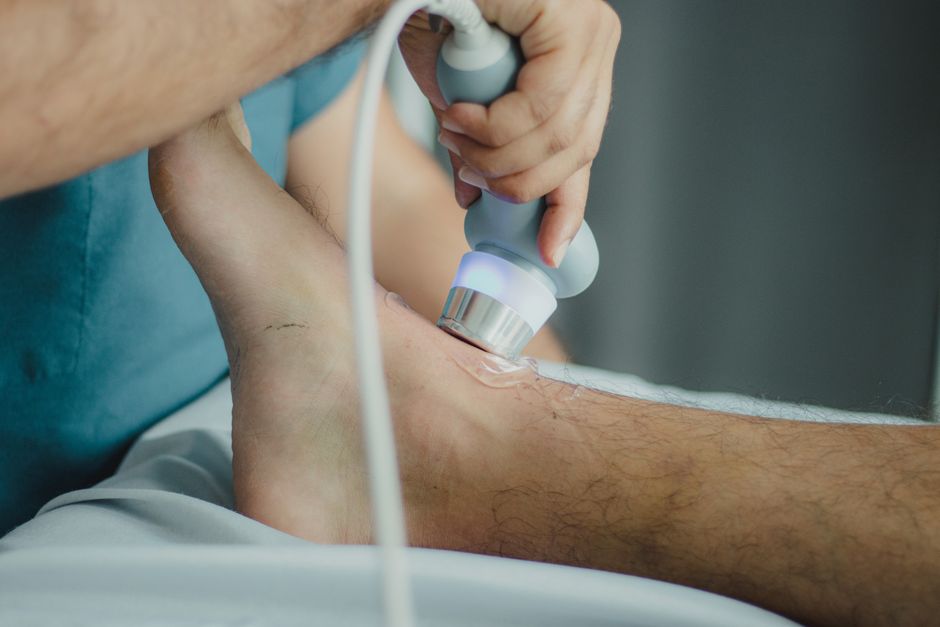
Ultrasound gel is the clear, water-based substance a technician spreads on your skin before the scan. It exists for one main reason: sound waves cannot travel through air. The gel removes the air between the probe and your skin so the sound waves can pass directly into your body and bounce back to create an image. Without it, the ultrasound would produce a blurry or completely blank picture.
Why Is Gel Used In Ultrasound? Why It Happens
Ultrasound works by sending high-frequency sound waves into the body. These waves travel through tissue, bounce off organs and structures, and return to the probe. The returning echoes are translated into a real-time image on a screen.
The problem is that sound waves behave poorly when they hit air. Even a thin layer of air between the probe and your skin reflects most of the sound waves away. This leaves little or no signal to create an image. The gel fills every tiny gap and pore on the skin surface, creating a continuous path for the sound to travel.
What Is Ultrasound Gel Made Of?
Ultrasound gel is mostly water. That matters because water transmits sound waves very well. The gel also contains a thickening agent, usually propylene glycol or glycerin, which gives it that familiar slippery texture.
Most modern ultrasound gels are hypoallergenic. They are designed to be safe for use on broken skin, though technicians will avoid scanning directly over open wounds when possible. The gel is water-soluble, which means it washes off easily with a towel or water.
Some gels contain a small amount of fragrance or preservative. If you have sensitive skin or known allergies, tell the technician. They can use a fragrance-free alternative or a specialized gel for sensitive patients.
What Happens If Ultrasound Is Done Without Gel?
Without gel, the probe contacts only the high points of your skin. The valleys between those points trap air. That trapped air acts as a barrier.
The result is a poor image. The ultrasound screen will show dark shadows, missing structures, or nothing at all. In some cases, the technician can use a small amount of water to get a partial image, but water runs off quickly and does not stay in place. Gel stays where it is applied.
There is also a comfort factor. The probe glides smoothly over gel-covered skin. Without it, the probe drags and pulls at the skin, which is uncomfortable for the patient and makes it harder for the technician to keep the probe steady.





Is Ultrasound Gel Safe for Your Skin?
Yes, for the vast majority of people. Standard ultrasound gel is a medical device regulated for safety. It is non-toxic and designed for external use on intact skin.
Some people experience mild skin irritation. This is usually caused by a sensitivity to one of the ingredients, such as a preservative or fragrance. If you have had a reaction to ultrasound gel before, mention it before your scan. The technician can use a different product.
For certain procedures, such as an ultrasound-guided biopsy or a transvaginal ultrasound, the gel is used differently. In these cases, a sterile gel is required. Sterile gel comes in single-use packets and is guaranteed free of bacteria. This prevents infection when the probe or needle enters the body.
Is There an Alternative to Ultrasound Gel?
Several substances can transmit sound waves, but few work as well as commercial gel. Some studies have looked at alternatives like aloe vera gel, lotion, or even petroleum jelly.
Aloe vera gel is sometimes used in low-resource settings. It transmits sound reasonably well and is cheap. However, it is not sterile and may contain particles that interfere with image quality.
Lotions and creams absorb into the skin quickly. This means they stop working after a few minutes, which is not practical for a scan that may take 30 minutes or more.
Petroleum jelly transmits sound very well, but it is greasy and difficult to remove. It also stains clothing and can leave a residue on the probe. For these reasons, it is rarely used in clinical practice.
No alternative has matched the combination of sound transmission, staying power, and easy cleanup that commercial ultrasound gel provides.
Why Does the Gel Feel Cold?
Most ultrasound gel is stored at room temperature, which is cooler than your body. When it touches your skin, you feel that temperature difference.
Some clinics use gel warmers. These devices heat the gel to body temperature, which most patients find more comfortable. If you feel the cold gel is a problem, ask if a warmer is available. Not every facility has one, but many do.
Does Ultrasound Gel Have Any Medical Uses Beyond Imaging?
Ultrasound gel is occasionally used for other purposes in a medical setting. It can be used to create a seal around a wound during certain procedures or to help electrodes stick to the skin during monitoring.
These uses are secondary. The gel is designed for imaging, and that is what it does best. If you are having an ultrasound, the gel is there for one reason: to get the clearest possible picture of what is happening inside your body.
How Much Gel Is Used and Where Does It Go?
For a standard abdominal or pelvic ultrasound, the technician applies a small ribbon of gel, usually a few tablespoons. For larger areas, like a full leg scan, more gel is needed.
After the scan, the technician hands you a towel or paper cloth. The gel wipes off easily. Any residue left on the skin dries into a thin film that washes away with soap and water.
The gel does not enter your body. It stays on the surface of your skin. Unless you are having a sterile procedure, it is completely external and harmless.
Is Ultrasound Gel Safe During Pregnancy?
Yes. Ultrasound gel is safe to use during pregnancy. It is applied to the outside of the abdomen and does not cross the placenta or reach the baby.
Many pregnant women have multiple ultrasounds during a single pregnancy. The gel is used each time and has not been shown to pose any risk. The sound waves themselves have been studied extensively and are considered safe for fetal imaging when used appropriately.
If you have sensitive skin during pregnancy, which is common due to hormonal changes, mention it to the technician. They can use a gentler formulation if needed.
Frequently Asked Questions
Can I bring my own ultrasound gel?
No, you should not bring your own gel. The clinic uses medical-grade gel that is tested for safety and sterility, and homemade or store-bought alternatives may not transmit sound properly or may contain irritants.
Will the gel stain my clothes?
Most ultrasound gels are water-based and wash out easily. If gel gets on your clothing, rinse it with cold water as soon as possible and it will come out without leaving a mark.
Why does the technician use so much gel?
The technician uses enough gel to ensure full contact between the probe and your skin. Too little gel leaves air pockets that degrade the image, so more gel is better than less for image quality.
Is ultrasound gel the same as personal lubricant?
No. Ultrasound gel is designed for medical imaging and is not the same product as personal lubricant. They have different ingredients and different purposes, and they are not interchangeable.
