
Green stool is almost always the result of something you ate, a supplement you took, or how fast waste moved through your gut. The color comes from bile, a yellow-green fluid your liver makes to digest fat. Normally, bacteria in your colon break bile down into brown pigments. When that breakdown gets interrupted or sped past, the green shows through. In most cases it clears up on its own within a day or two and means nothing serious.
Why Is Feces Green? The Role of Bile
Bile is the starting point for every stool color question. Your liver produces it continuously, stores it in the gallbladder, and releases it into the small intestine when you eat fat. Fresh bile is yellow-green.
As bile travels through the intestines, gut bacteria chemically convert its pigments into brown compounds. That conversion is what gives normal stool its brown color. Anything that limits bacterial processing or rushes bile through before bacteria can act will leave the stool green.
This is why green stool and diarrhea often show up together. Loose stool moves too fast for the normal color change to finish. The green isn’t a new substance appearing in your body. It’s the original color of bile that never got a chance to turn brown.
What Foods and Supplements Turn Stool Green?
Diet is the most common reason stool turns green, and it’s usually obvious once you think about what you ate in the past day or two.
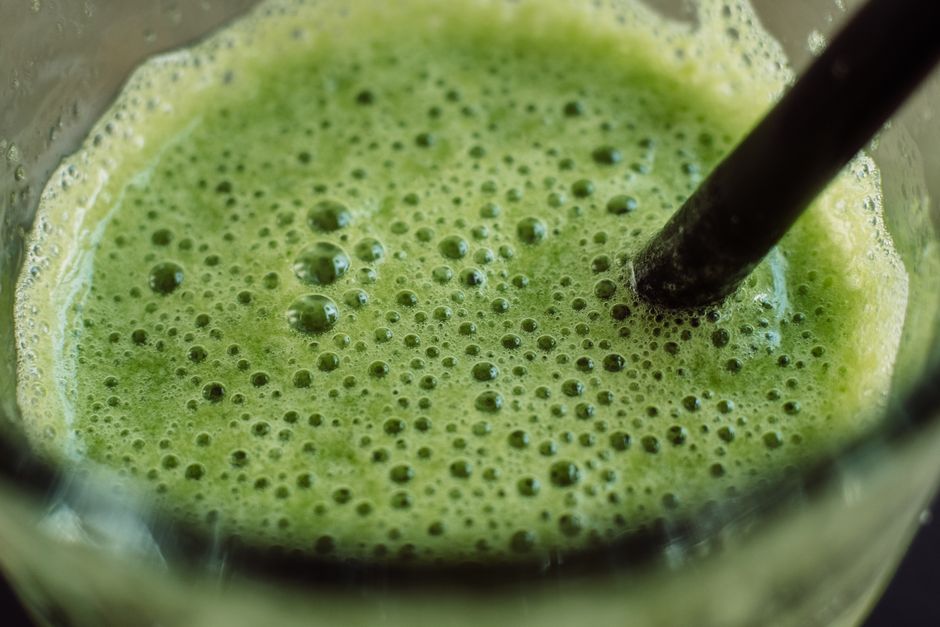
Leafy greens are a frequent culprit. Spinach, kale, Swiss chard, and similar vegetables contain large amounts of chlorophyll, the green pigment in plants. A big salad or a green smoothie can tint your stool for a day or so.
Other foods and substances linked to green stool include:
- Matcha, wheatgrass, and spirulina powders
- Blueberries, black licorice, and foods with heavy green or purple food dye
- Iron supplements, which can turn stool green or black
- Some laxatives and antacids
Iron deserves a specific mention because it confuses people. Iron itself isn’t green, but it can react with bile and gut contents to produce a dark green or black color. Black stool from iron is generally harmless. Black stool that is tarry and foul-smelling is a different matter and needs medical attention.
If you can trace the color back to a food or supplement, you have your answer. Stop the item and watch what happens over the next day or two.
When Does Fast Digestion Cause Green Stool?
Any condition that speeds up transit time can produce green stool because bile doesn’t spend long enough in the colon to be broken down.
Common triggers include a short bout of viral gastroenteritis, food poisoning, and certain bacterial infections. Lactose intolerance and other food intolerances can do it too. So can anxiety-related gut changes and some medications, including certain antibiotics that alter the normal gut bacteria.
The pattern to notice is green stool paired with loose or watery consistency. That combination points to fast transit rather than something in your diet.
Most short episodes of diarrhea resolve within a few days without treatment. The green color fades as bowel habits return to normal. What matters more than the color is how long the diarrhea lasts and whether you can stay hydrated.





Can Green Stool Be a Sign of a Medical Condition?
Sometimes, yes. Green stool on its own is rarely the first sign of a serious problem, but it can appear alongside conditions that affect how bile moves or how the gut works.
Conditions that may involve green stool include:
- Gallbladder or liver conditions that change bile flow
- Crohn’s disease, celiac disease, and other conditions that affect nutrient absorption
- Infections such as Giardia, a parasite that can cause prolonged green, foul-smelling diarrhea
- Irritable bowel syndrome, where transit time can vary widely
Two details matter most here. First, green stool from a passing infection or a heavy kale salad looks very different from green stool that keeps returning for weeks with no clear cause. Second, the color alone doesn’t identify a condition. Doctors use the full picture: how long it’s lasted, what else is happening, and what tests show.
Don’t try to self-diagnose a specific disease from stool color. If green stool persists or comes with other symptoms, that’s a conversation to have with a clinician.
What Other Symptoms Mean You Should See a Doctor?
Green stool by itself is usually not a reason to worry. The color becomes more meaningful when it shows up with other signs.
Contact a doctor if you notice:
- Diarrhea lasting more than a few days, or signs of dehydration such as dizziness, dry mouth, or dark urine
- Blood in the stool, or stool that is black and tarry
- Fever, severe belly pain, or vomiting that won’t stop
- Unintentional weight loss
- Green stool that keeps coming back for weeks without a clear cause
These symptoms don’t point to one specific diagnosis. They’re reasons to get evaluated, because several different conditions can produce them and a clinician can sort out which one applies.
One practical note: stool color can shift for reasons that have nothing to do with disease. A single green stool after a green smoothie means nothing. A pattern that repeats without explanation is what deserves attention.
Does Green Stool in Babies Mean Something Different?
Green stool is common in infants and often normal. A newborn’s first stools, called meconium, are dark green to black. That’s expected in the first day or two of life.
In breastfed and formula-fed babies, green can show up for several reasons. Formula with iron can cause it. So can a foremilk-hindmilk imbalance in breastfeeding, where a baby gets more of the watery early milk and less of the fattier milk that comes later. A stomach bug or a teething-related change in feeding can also shift the color.
What matters more than color in an infant is behavior and output. A baby who is feeding well, gaining weight, and producing regular wet diapers is usually fine. Call a pediatrician if a baby has diarrhea, blood in the stool, seems uncomfortable, or isn’t feeding normally.
No clinical guidelines set a specific stool color that requires treatment in infants. The decision to seek care rests on the baby’s overall condition, not the color alone.
How Do You Treat Green Stool?
In most cases, there is nothing to treat. If a food or supplement caused it, the color returns to normal within a day or two after you stop the item.
If fast digestion is the cause, the focus is on managing the underlying issue. Staying hydrated during diarrhea matters more than trying to change the color. For persistent symptoms, a doctor may look at diet, medications, and stool tests to find the cause.
There is no medication that specifically “fixes” green stool. Products marketed to correct stool color have no clinical evidence behind them. The color is a symptom or a dietary effect, not a condition in itself.
A simple approach if you’re unsure: track what you eat and drink for a couple of days, note how long the color lasts, and bring that information to a doctor if it doesn’t resolve.
What Does the Evidence Actually Show?
The link between bile, gut bacteria, and stool color is well established in physiology. So is the effect of fast transit time on color. These aren’t debated points.
What’s less certain is how often green stool signals a specific disease. Most people who notice green stool have a dietary or transit-related cause, and the color resolves without any diagnosis. The evidence doesn’t support treating green stool as a warning sign on its own.
One clarification worth making: green stool and black stool are not the same thing. Black, tarry stool can indicate bleeding in the upper digestive tract and needs prompt medical attention. Green stool does not carry that concern. People sometimes confuse the two, and the distinction matters.
If you’re unsure which one you’re seeing, that’s a good reason to check with a doctor rather than guess.
Frequently Asked Questions
Is green poop serious?
Usually not. Most green stool comes from food, supplements, or fast digestion and clears up within a day or two.
What does green stool with diarrhea mean?
It usually means waste moved through your gut too fast for bile to turn brown. If diarrhea lasts more than a few days or you feel dehydrated, see a doctor.
Can iron supplements cause green stool?
Yes. Iron can turn stool green or black, and this is generally harmless. Black stool that is tarry and foul-smelling is different and needs medical attention.
When should I worry about green stool?
See a doctor if green stool keeps returning for weeks, or if it comes with blood, fever, severe pain, weight loss, or diarrhea that won’t stop.
