
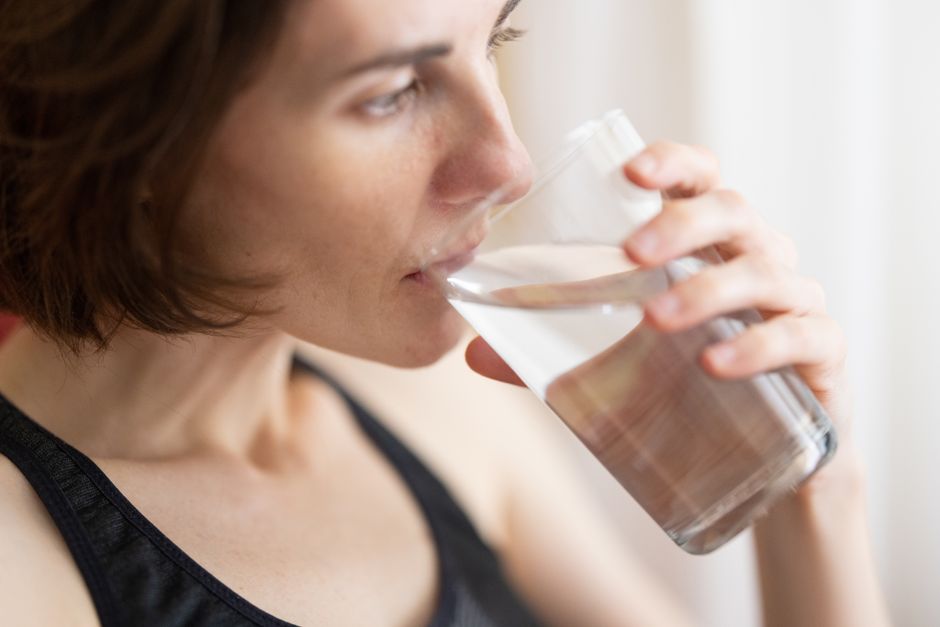
Drinking water is important for weight loss because it replaces higher-calorie drinks, supports your body’s natural calorie-burning processes, and helps you feel full before meals. Studies consistently show that people who increase their water intake while reducing sugary beverages lose more weight over time. The effect is modest on its own, but it works as a reliable foundation alongside diet and exercise changes.
Does Drinking Water Actually Boost Your Metabolism?
Yes, but the effect is smaller than many headlines suggest. Your body uses energy to heat water to your internal temperature, a process called water-induced thermogenesis. Some research indicates this can temporarily raise your resting energy expenditure by roughly 24 to 30 percent within about an hour of drinking 500 milliliters of water.
That sounds impressive, but the real-world math matters. A 500-milliliter glass of cold water might burn an extra 20 to 30 calories. Over a full day of drinking several glasses, you might burn an additional 50 to 100 calories. That is not nothing, but it will not produce dramatic weight loss by itself.
The effect also appears stronger in some people than others. Studies suggest younger adults and men may experience a more noticeable metabolic response than older adults or women. If you are drinking water at room temperature rather than cold, the effect is smaller still.
How Water Reduces Calorie Intake From Drinks
This is where water has its most reliable impact. Sugary drinks are the single largest source of added sugar in the American diet. A typical 12-ounce can of soda contains about 150 calories, almost entirely from sugar. Fruit drinks, sweetened teas, sports drinks, and flavored coffees add similar calorie loads without making you feel full.
Replacing these with water eliminates those calories directly. Someone who drinks two sodas per day and switches to water removes roughly 300 daily calories without any other dietary change. That translates to about 30 pounds of weight loss over a year, assuming nothing else changes.
Diet sodas and artificially sweetened beverages are a more complicated story. Some research suggests they may help with short-term calorie reduction, but other studies indicate they might increase cravings for sweet foods. Water avoids this issue entirely.
Can Drinking Water Before Meals Reduce Appetite?
Drinking water before eating can help some people consume fewer calories at that meal. The evidence is strongest in middle-aged and older adults. Research has found that drinking about 500 milliliters of water roughly 30 minutes before a meal leads to reduced food intake and greater weight loss over a 12-week period compared to not drinking water before meals.
The effect is less consistent in younger adults. Some studies show minimal impact on appetite in people under 35. The likely reason is that the stomach stretches with water, sending fullness signals to the brain. This mechanism may work less effectively in younger people whose appetite regulation systems respond differently.
Water also has zero calories, so even if it only slightly reduces what you eat, it never adds to your daily total. That makes it a safe, low-risk strategy for anyone trying to manage portions.



Does Thirst Get Mistaken for Hunger?
This is a common claim in wellness circles, but the evidence is not as strong as often presented. The idea is that the brain’s thirst and hunger signals overlap, so people eat when they are actually thirsty. Some research supports this in specific populations, particularly older adults whose thirst sensation diminishes with age.
However, no large human trials have confirmed that drinking water when you feel hungry reliably reduces overall calorie intake. For many people, hunger is genuine hunger, not disguised thirst. Drinking water before reaching for a snack is a reasonable habit to try, but do not expect it to eliminate true hunger signals.
A better approach is to stay consistently hydrated throughout the day. If your urine is pale yellow, you are likely adequately hydrated. Darker urine suggests you need more fluids. Using thirst as a guide works for most healthy people, but older adults should be more deliberate about fluid intake.
What Type of Water Is Best for Weight Loss?
Plain water is the standard. It has no calories, no additives, and no hidden sugars. Tap water and bottled water are equally effective for hydration and weight management.
Sparkling water is also acceptable, provided it is unsweetened. The carbonation does not interfere with hydration, and some people find it more satisfying than still water. Just check the label — many sparkling waters contain added sugars or artificial sweeteners that defeat the purpose.
Flavored waters and infused waters with lemon, cucumber, or mint add negligible calories and can help people drink more. The flavor compounds do not meaningfully change how water affects your body.
There is no special advantage to alkaline water, hydrogen water, or other premium water products for weight loss. No clinical evidence currently confirms that these products offer benefits beyond plain water. Save your money.
How Much Water Should You Drink for Weight Loss?
There is no official water recommendation specifically for weight loss. General hydration guidelines suggest about 3.7 liters per day for adult men and 2.7 liters per day for adult women, including water from all beverages and foods. Food typically provides about 20 percent of your daily fluid intake.
For weight loss purposes, a practical target is to drink enough that you rarely feel thirsty and your urine remains light yellow. If you are replacing sugary drinks, match your water intake to the volume of beverages you are eliminating.
Physical activity, hot weather, and certain medical conditions increase fluid needs. Listen to your body and adjust accordingly. Drinking too much water is rare but possible — it can cause a dangerous condition called hyponatremia, where blood sodium levels drop too low. This is primarily a concern for endurance athletes and people with certain medical conditions, not the average person.
Does Water Temperature Matter for Weight Loss?
Cold water burns slightly more calories than warm water because your body must heat it to core temperature. The difference is small — maybe 5 to 10 extra calories per liter of cold water. Over a year of drinking several liters daily, this could add up to a few pounds.
Some claims suggest that drinking ice water significantly boosts metabolism or that warm water improves digestion and fat burning. Neither claim has solid clinical support. The temperature difference is too small to meaningfully affect weight loss outcomes.
Choose the temperature you enjoy most. The key is drinking enough water consistently, not chasing a specific temperature for metabolic benefits.
What Happens When You Replace Other Drinks With Water
Many people do not realize how many daily calories come from what they drink. A morning latte with whole milk and syrup can contain 300 or more calories. A sports drink after exercise adds another 150. A glass of orange juice with breakfast contributes 110. These calories add up quickly and do not provide the same fullness as solid food.
| Drink (12 oz serving) | Approximate Calories | Water Equivalent |
|---|---|---|
| Regular soda | 150 | 0 calories |
| Sweetened iced tea | 120 | 0 calories |
| Orange juice | 110 | 0 calories |
| Whole milk | 220 | 0 calories |
| Sports drink | 90 | 0 calories |
| Black coffee | 2 | 2 calories |
These estimates come from standard USDA nutritional data. Actual values vary by brand and preparation. The pattern is clear — liquid calories are easy to overlook and easy to eliminate with water.
One caution: do not replace meals with water. Water has no protein, fat, carbohydrates, vitamins, or minerals beyond trace amounts. It supports weight loss by replacing other drinks and supporting fullness, not by providing nutrition.
Does Hydration Affect Exercise Performance and Fat Burning?
Even mild dehydration impairs exercise performance. Losing as little as 2 percent of your body weight in fluid can reduce endurance, strength, and coordination. Poorer workouts mean fewer calories burned and less muscle preserved.
Proper hydration before, during, and after exercise helps you maintain intensity and duration. This matters for weight loss because consistent exercise creates the calorie deficit needed for fat loss. A well-hydrated body also regulates temperature more effectively, which matters during longer or more intense sessions.
Some research suggests that being dehydrated may reduce the body’s ability to use fat as fuel during exercise, though the evidence is not conclusive. The practical takeaway is simpler: drink water regularly, especially around workouts, so dehydration never limits your effort.
Why Drinking Water Alone Will Not Cause Weight Loss
Water is a tool, not a solution. No amount of water creates the calorie deficit required for weight loss on its own. Weight loss happens when you consistently consume fewer calories than your body burns.
Water helps this process in three ways. It replaces calorie-containing drinks. It may slightly increase calorie burning. It can help you feel fuller before meals. Each effect is modest, but together they support a broader weight loss plan.
The most effective strategy combines adequate water intake with a balanced diet, regular physical activity, adequate sleep, and stress management. People who lose weight and keep it off typically make multiple sustainable changes, not one dramatic shift. Water is one of those changes — inexpensive, accessible, and free of side effects for most people.
Frequently Asked Questions
How much water should I drink daily for weight loss?
General guidelines suggest about 3.7 liters per day for men and 2.7 liters for women from all beverages and foods. No official water recommendation exists specifically for weight loss, so aim to stay consistently hydrated and replace sugary drinks with water.
Does drinking cold water burn more calories than warm water?
Cold water burns a few extra calories because your body warms it to core temperature, but the difference is minimal. The total effect may amount to roughly 5 to 10 extra calories per liter, which is unlikely to meaningfully affect weight loss.
Can drinking water before meals help me eat less?
Some research indicates that drinking about 500 milliliters of water 30 minutes before meals helps middle-aged and older adults eat less and lose more weight. The effect appears weaker in younger adults, so results vary by person.
Is sparkling water as effective as plain water for weight loss?
Unsweetened sparkling water hydrates just as well as plain water and contains zero calories. Check labels carefully, because many sparkling waters contain added sugars or artificial sweeteners that add calories or may increase cravings.
