
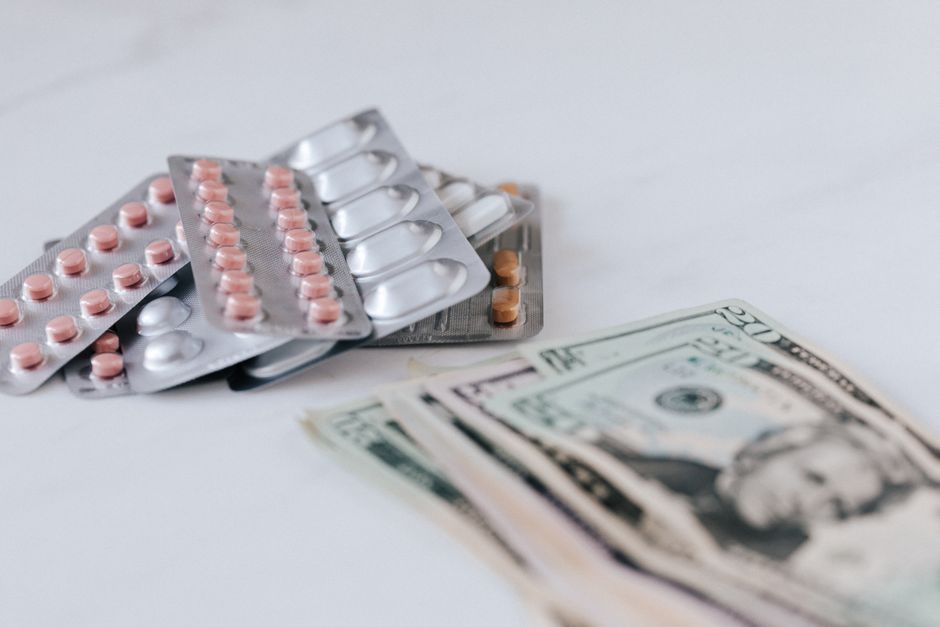
Dapsone is expensive because only one brand-name manufacturer, Aczone, dominates the U.S. market and there is no generic version for the topical gel form that many people need for acne. You can pay less by using the cheaper oral tablet form of dapsone, checking patient assistance programs from the manufacturer, or asking your doctor about alternative acne medications that cost a fraction of the price.
Why Is Dapsone So Expensive And How To Pay Less?
Dapsone comes in two main forms: an oral tablet and a topical gel. The oral tablet has been around for decades and is cheap, often costing less than $1 per pill with insurance. The topical gel, sold under the brand name Aczone, is the expensive version. A single tube can cost $500 to $800 without insurance.
There is no generic version of the topical gel in the United States as of 2026. The manufacturer, Almirall, holds the patent and has exclusive rights to sell it. This lack of competition keeps the price high. The oral tablet is generic and inexpensive, but it is not always a direct substitute for the gel.
The FDA approved Aczone for acne in 2005. Since then, the price has risen steadily. A 2018 study in JAMA Dermatology found that the cost of Aczone increased by over 200% between 2009 and 2015. This pattern is common for brand-name dermatology drugs with no generic competition.
How Much Does Dapsone Actually Cost With and Without Insurance?
Without insurance, a 30-gram tube of Aczone 5% gel typically costs between $500 and $800 at U.S. pharmacies. A 60-gram tube can cost over $1,000. These are retail prices before any discounts or coupons.
With insurance, your cost depends on your plan. Many insurance companies place Aczone on a higher tier, meaning you pay a larger copay or coinsurance. Some plans require prior authorization before they will cover it at all. A 2021 report from GoodRx showed the average cash price for Aczone was around $650, while the average copay with insurance was still over $100.
The oral tablet form of dapsone is dramatically cheaper. A 30-day supply of 100 mg tablets costs roughly $15 to $30 without insurance using a discount card. This is because multiple manufacturers produce generic dapsone tablets, creating price competition.
| Form of Dapsone | Typical Price Without Insurance | Typical Price With Insurance |
|---|---|---|
| Aczone 5% gel (30g tube) | $500 – $800 | $50 – $200 |
| Aczone 7.5% gel (30g tube) | $600 – $900 | $75 – $250 |
| Generic dapsone tablets (100mg, 30-day supply) | $15 – $30 | $5 – $15 |
What Patient Assistance Programs Are Available for Dapsone?
The manufacturer of Aczone, Almirall, offers a patient savings program. This program can reduce your out-of-pocket cost to as low as $0 for eligible patients with commercial insurance. You apply through the Aczone website or by calling their support line.
For people without insurance, the Almirall Patient Assistance Program may provide the medication for free. You must meet income requirements. As of 2026, the income limit is typically 400% of the federal poverty level. You will need your doctor to complete a form and submit proof of income.
Other programs like NeedyMeds and RxAssist can help you find additional assistance. These are independent organizations that list patient assistance programs for many expensive medications. They do not provide the drug directly but connect you to the correct application forms.
GoodRx coupons can also reduce the price. A GoodRx search for Aczone in early 2026 showed prices around $450 at some pharmacies. This is still expensive, but it is less than the retail price. Always check multiple discount cards because prices vary between them.




Can You Use Oral Dapsone Instead of the Topical Gel?
Oral dapsone is primarily used to treat leprosy and a skin condition called dermatitis herpetiformis. Some doctors prescribe it off-label for acne. The evidence for oral dapsone in acne is not as strong as for the topical form.
A 2017 review in the Journal of Drugs in Dermatology found that oral dapsone can be effective for acne, but it carries more risks. Oral dapsone can cause a serious side effect called methemoglobinemia, where your blood cannot carry oxygen properly. It can also cause hemolytic anemia, especially in people with a G6PD deficiency.
Your doctor should test you for G6PD deficiency before starting oral dapsone. This is a blood test. About 10% of African American men have this deficiency, according to the CDC. The risk is lower but still present in other populations.
If you and your doctor decide oral dapsone is safe, the cost is much lower. A 30-day supply costs around $20. This is a fraction of the cost of the topical gel. But it is not a perfect substitute. The topical gel delivers the drug directly to the skin with minimal absorption into the bloodstream, which reduces systemic side effects.
What Are the Best Alternatives to Dapsone for Acne?
Several other topical medications treat acne and cost significantly less than Aczone. The most common alternatives include:
- Benzoyl peroxide – Available over the counter for $5 to $15. It kills acne bacteria and helps unclog pores. It is one of the most studied acne treatments.
- Topical clindamycin – A prescription antibiotic gel or solution. Generic versions cost $20 to $50 without insurance. It reduces acne bacteria and inflammation.
- Topical tretinoin – A prescription retinoid. Generic tretinoin costs $30 to $80 without insurance. It speeds up skin cell turnover and prevents clogged pores.
- Azelaic acid – Available as a generic prescription gel or cream. It costs $20 to $60. It reduces inflammation and kills bacteria.
Each of these works through a different mechanism. Dapsone works by reducing inflammation and killing bacteria. Benzoyl peroxide and clindamycin target bacteria. Tretinoin targets clogged pores. Your dermatologist can help choose which one fits your skin type and acne severity.
Some people use a combination approach. For example, using benzoyl peroxide in the morning and tretinoin at night. This can be as effective as dapsone for many people. A 2019 study in the Journal of the American Academy of Dermatology found that combination therapy with benzoyl peroxide and a topical antibiotic was more effective than either alone.
Common Misconceptions About Dapsone Cost
One common myth is that all forms of dapsone are expensive. This is not true. The oral tablet form is cheap. Only the brand-name topical gel is expensive. If your doctor prescribes the topical gel, ask if the oral form could work for your condition.
Another misconception is that insurance always covers expensive medications. Many insurance plans require step therapy for Aczone. This means you must try a cheaper medication first, like benzoyl peroxide or clindamycin, before they will pay for Aczone. Even then, they may only cover a portion of the cost.
Some people believe that discount cards like GoodRx always give the best price. This is not always true. The manufacturer’s patient assistance program can give you the medication for free if you qualify. Always check both options before paying out of pocket.
Finally, some think that dapsone is the only option for inflammatory acne. It is not. Multiple effective alternatives exist. A 2020 review in the American Journal of Clinical Dermatology listed over 15 topical treatments for acne, many of which cost under $50 without insurance.
Frequently Asked Questions
Is there a generic version of Aczone?
No, there is no FDA-approved generic version of Aczone topical gel as of 2026. The patent is still held by Almirall.
Does insurance cover dapsone gel?
Most insurance plans cover Aczone but often require prior authorization or step therapy. Your out-of-pocket cost depends on your specific plan tier.
Can I get dapsone for free?
Yes, through the Almirall Patient Assistance Program if you have no insurance and meet income requirements. You must apply with your doctor’s help.
Is oral dapsone cheaper than the gel?
Yes, generic oral dapsone tablets cost about $15 to $30 per month without insurance, which is dramatically less than the topical gel.
