
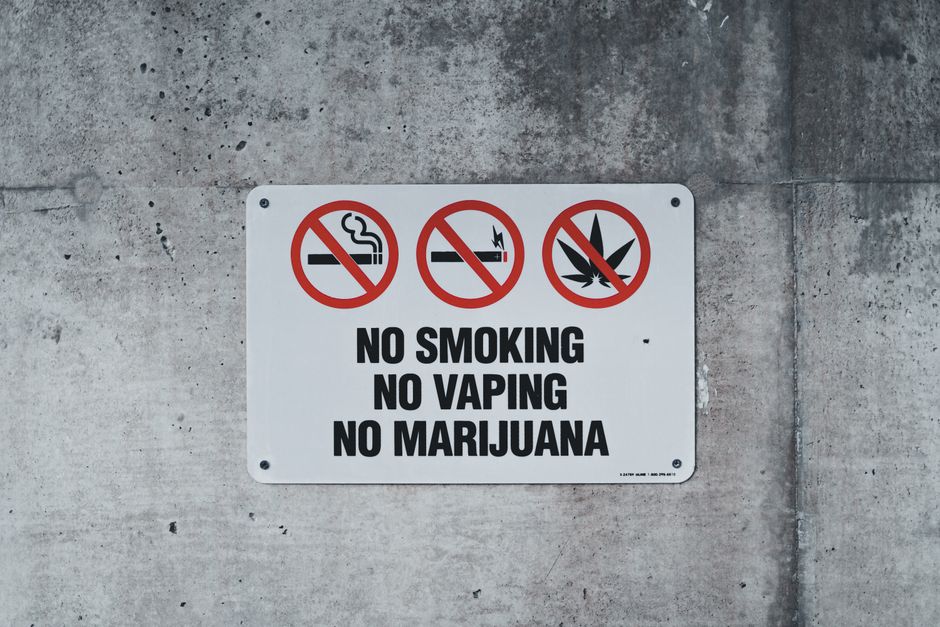
Cannabidiol, or CBD, is not illegal under federal US law — but that sentence needs a qualifier. The 2018 Farm Bill removed hemp and hemp-derived CBD from the Controlled Substances Act, so federally legal CBD must come from hemp containing no more than 0.3% THC on a dry weight basis. Marijuana-derived CBD remains illegal under federal law, and state rules vary widely, which is why the same product can be legal in one state and restricted in the next.
Why Is CBD Illegal in Some States but Legal Federally?
The short answer is federalism. Federal law sets a floor, not a ceiling, and states have always had room to be stricter on controlled substances.
When the 2018 Farm Bill passed, it changed the federal status of hemp. Hemp was defined as cannabis with a THC concentration of 0.3% or less by dry weight. Hemp-derived CBD was removed from the Controlled Substances Act. That made it federally legal to produce and sell, subject to rules from the Food and Drug Administration and the Department of Agriculture.
But the Farm Bill did not override state law. Some states moved quickly to permit hemp CBD. Others kept their own restrictions in place or imposed licensing requirements. A few states treat any CBD product as a controlled substance unless it meets specific conditions. That is the source of the patchwork.
There is a detail many people miss. The Farm Bill legalized hemp, not CBD as a molecule. The legality flows from the plant source. CBD extracted from marijuana — cannabis with more than 0.3% THC — is still a Schedule I substance under federal law. The same chemical compound can be legal or illegal depending on where it came from.
What Does Federal Law Actually Say About CBD?
Federal law permits hemp-derived CBD but does not treat it as a free-for-all. Several agencies have a say, and their rules do not always line up neatly.
The Drug Enforcement Administration removed hemp from Schedule I in 2018. The FDA, however, has taken the position that CBD cannot be added to food or marketed as a dietary supplement. The agency’s reasoning is that CBD was studied as an active drug ingredient before it was used in food, and the law bars drug ingredients from being added to food. In practice, the FDA has sent warning letters to companies making unproven health claims but has not aggressively enforced against all CBD foods and supplements. That gap between written rules and enforcement is real and worth understanding.
One CBD product is fully FDA-approved as a prescription drug for specific seizure disorders. That approval is separate from the general supplement market and does not make over-the-counter CBD an approved medicine.
The US Department of Agriculture also regulates hemp production through state and tribal plans. Growers need licenses. Crops must be tested for THC. Hemp that tests above the 0.3% limit must be destroyed or remediated under the rules.
How Do State CBD Laws Differ?
State laws fall into a few rough categories, though the details shift as legislatures act. No two states are identical, and rules change from year to year.
- Permissive states allow hemp-derived CBD in foods, drinks, and supplements, often with licensing and testing requirements for producers.
- Restrictive states limit CBD to certain forms, require medical oversight, or restrict sales to licensed cannabis dispensaries.
- States with recreational and medical cannabis programs may regulate CBD alongside marijuana, which means a product sold openly in one state may require a dispensary license in another.
Some states have also passed their own laws that conflict with the FDA’s position on CBD in food. A state might permit CBD in beverages while the FDA says it should not be in food at all. That conflict is unresolved at the federal level.
For a consumer, this means the legal status of a product depends on where you buy it and where you use it. Buying CBD legally in a permissive state and carrying it into a restrictive state can create legal exposure. There is no single national answer.


Why Does THC Content Matter for Legality?
The 0.3% THC threshold is the line between legal hemp and illegal marijuana under federal law. It is a measurement, not a judgment about effects.
THC is the compound primarily responsible for the psychoactive effects of cannabis. CBD does not produce the same high. But hemp plants naturally contain small amounts of THC, and the law sets a hard ceiling. A product that exceeds 0.3% THC on a dry weight basis is legally marijuana, regardless of how it is labeled or marketed.
Testing is not always straightforward. THC content can vary between batches and even between parts of the same plant. Some products sold as CBD have been found in independent testing to contain THC above the legal limit or to contain no CBD at all. The label is not a guarantee.
This matters for more than legal risk. People subject to drug testing, including some workers and people on probation, can test positive for THC after using CBD products that contain trace amounts. The amount needed varies by person, product, and test, and no reliable threshold predicts who will test positive.
Is CBD Legal in All 50 States?
Hemp-derived CBD with 0.3% THC or less is legal in most states, but not all, and the conditions vary. There is no state where all CBD products are uniformly legal without restriction.
Some states require a prescription or recommendation for CBD. Some limit sales to adults over a certain age. Some allow CBD only from licensed in-state producers. A few have taken steps to restrict specific products, such as those with added THC or those sold as food.
Because state legislatures continue to adjust these rules, a reliable answer requires checking the current law in the specific state. National advocacy groups and state agriculture departments publish updates, but even those can lag behind new legislation.
What Are the Risks of Buying CBD Across State Lines?
Transporting CBD across state lines raises questions that a single purchase does not. Federal law permits interstate commerce in hemp, but states can still enforce their own rules on what enters their borders.
A product that is legal where you bought it may not be legal where you are going. If a state restricts CBD to dispensaries or requires a medical card, bringing a product in from elsewhere could violate that state’s law. Enforcement varies, and the risk is not the same everywhere.
There is also the question of product quality. The FDA has not established a comprehensive regulatory framework for CBD supplements, and testing standards differ by state. A product that passed testing in one state may not meet another state’s requirements. For anyone using CBD for a health reason, this inconsistency is a genuine concern, not a technicality.
What Should You Know Before Using CBD?
CBD is not risk-free, and the evidence for most claimed benefits is limited. That is the honest position.
The strongest clinical evidence for CBD is in specific, treatment-resistant seizure disorders, where a prescription formulation has been studied in controlled trials. For other uses — anxiety, sleep, pain — some studies suggest possible benefits, but the evidence is mixed and much of it comes from small trials. No large, long-term human trials have confirmed broad effectiveness.
CBD can interact with medications. It is metabolized by some of the same liver enzymes as certain drugs, including some blood thinners and epilepsy medications, which can change drug levels in the body. Anyone taking prescription medication should talk with a clinician or pharmacist before using CBD.
Side effects reported in studies include drowsiness, diarrhea, and changes in appetite. Liver enzyme elevations have been seen at higher doses in clinical settings. The long-term safety of daily CBD use in healthy adults is not well established.
For legal questions, the safest approach is to check your state’s current rules and to buy from producers who publish third-party testing results. For health questions, treat CBD as a substance with real biological effects and real uncertainty, not as a harmless supplement.
Frequently Asked Questions
Is CBD legal federally in the US?
Hemp-derived CBD containing no more than 0.3% THC is federally legal under the 2018 Farm Bill. CBD from marijuana remains illegal under federal law.
Can I legally buy CBD in any state?
No. State laws vary, and some states restrict CBD sales, require licenses, or limit products to dispensaries. Check your state’s current rules before buying.
Will CBD make me fail a drug test?
It can. Some CBD products contain trace THC, and no reliable threshold predicts who will test positive. People subject to drug testing should be cautious.
Is CBD the same as marijuana?
No. CBD is a compound found in cannabis, and it does not produce the high associated with THC. Hemp and marijuana are legally distinguished by THC content.
