
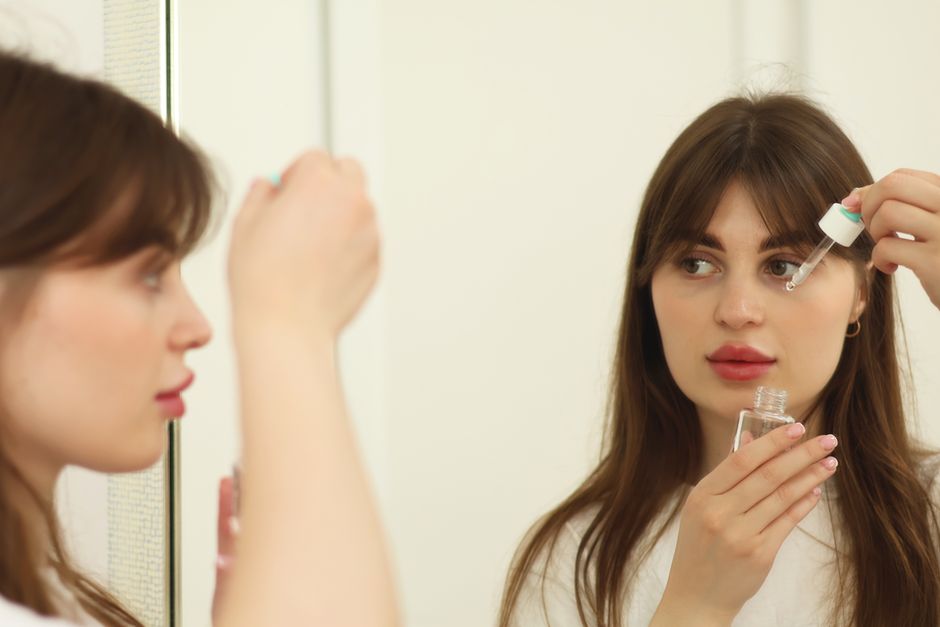
Benzoyl peroxide is one of the most common over-the-counter acne treatments. It works by killing bacteria and drying out pores. But many people find it stops working after a few weeks or never works at all. The main reasons are using the wrong strength, not applying it correctly, having a type of acne that benzoyl peroxide does not treat, or developing irritation that looks like acne.
Why Isn’t Benzoyl Peroxide Clearing My Acne as It Used To?
Benzoyl peroxide kills Cutibacterium acnes, the bacteria that plays a role in inflammatory acne. It also helps remove dead skin cells that clog pores. If it worked at first and then stopped, the most likely explanation is that you are no longer responding well. Bacterial resistance to benzoyl peroxide is rare. Unlike antibiotics, benzoyl peroxide does not work through a specific pathway that bacteria easily adapt to. So true resistance is not the typical problem.
More common reasons include your skin becoming tolerant to a low dose, or your acne changing. Inflammatory acne may respond at first, but deeper cysts or comedones may not. Also, if you started using a moisturizer or other product that oils the skin, benzoyl peroxide may not penetrate as well.
Could My Acne Be Resistant to Benzoyl Peroxide?
No published evidence shows that Cutibacterium acnes develops resistance to benzoyl peroxide. That is a key advantage over topical antibiotics like clindamycin. However, your acne could be caused by factors other than bacteria. Hormonal fluctuations, excess oil production, and inflammation can drive acne even when bacteria are well controlled. In that case, benzoyl peroxide may appear to stop working, but really it is treating only one piece of the puzzle.
If you suspect resistance, consider whether your acne type has changed. Talk to a dermatologist about bacterial culture only if standard treatments fail. It is rarely necessary.
Am I Using the Right Strength of Benzoyl Peroxide?
Over-the-counter benzoyl peroxide comes in strengths from 2.5% to 10%. Many people assume higher strength works better. Research published in the Journal of the American Academy of Dermatology found that 2.5% is as effective as 5% and 10% for reducing acne lesions, with less irritation. Higher strengths do not kill more bacteria. They mainly cause more side effects like redness and peeling.
If you started with a 2.5% gel and it is not working, switching to 5% or 10% may not help. Instead, irritation can make your skin look worse. Redness and flaking can be mistaken for acne not improving. If your skin is red and irritated, try lowering the strength or applying less often.





Am I Applying Benzoyl Peroxide Correctly?
Application matters. Most people put on too much or wash it off too quickly. Benzoyl peroxide needs contact time to work. A pea-sized amount for the whole face is enough. Rub it in gently over affected areas, not the whole face if you have dry skin. Leave it on for a few minutes before applying moisturizer. Some people wash it off after 5 minutes, but that reduces effectiveness. It is intended to stay on.
Also, benzoyl peroxide can break down if exposed to light or air. Store it in a cool, dark place. Expired product may not work well. Check the expiration date. If the gel has changed color or consistency, replace it.
Could My Acne Type Require a Different Treatment?
Benzoyl peroxide works best for inflammatory acne: red bumps and pustules. It does little for blackheads and whiteheads on its own. If your main issue is comedonal acne (clogged pores without redness), you may need a retinoid like adapalene (Differin) or a salicylic acid product. Many people have mixed acne – both inflammatory and comedonal – and need both treatments.
Hormonal acne, common in women along the jawline and chin, often does not respond well to benzoyl peroxide alone. Hormonal acne needs treatments that address the underlying hormonal drivers, like spironolactone or oral contraceptives. If your acne is deep, painful, and cystic, benzoyl peroxide will not reach the infection. You need prescription options.
What Should I Do If Benzoyl Peroxide Stops Working?
First, check your routine. Are you using it consistently every day? Skipping doses reduces effectiveness. Are you using other products that clog pores? Heavy creams or oils can counteract benefit. Try simplifying your routine: a gentle cleanser, benzoyl peroxide, and a non-comedogenic moisturizer. Give it at least 8 weeks to judge effectiveness. Many people quit too early.
Second, consider adding another treatment. Combining benzoyl peroxide with a topical retinoid (adapalene) is a common approach supported by guidelines from the American Academy of Dermatology. Use benzoyl peroxide in the morning and adapalene at night. Start slowly to avoid irritation. Do not use other harsh exfoliants at the same time.
Third, if you have been using benzoyl peroxide for months without improvement, it may be time to move on. No treatment works for everyone.
When Is It Time to See a Dermatologist?
See a dermatologist if you have tried a consistent benzoyl peroxide routine for 8 to 12 weeks without improvement. Also see one if your acne is severe, painful, or scarring. A dermatologist can prescribe stronger topical treatments like tretinoin or antibiotics, or oral medications. They can also perform extractions for comedones or inject steroids into cysts.
Do not wait too long. Scarring can happen even with mild acne. Early treatment prevents permanent marks. A dermatologist can also check if your skin issue is actually acne. Conditions like rosacea, folliculitis, or contact dermatitis can look like acne and require different treatments.
Frequently Asked Questions
Can benzoyl peroxide make acne worse before it gets better?
Yes, especially if it causes irritation. Redness and peeling can make existing spots more visible. This does not mean the acne itself is worse.
How long does it take for benzoyl peroxide to work?
You may see some improvement in 4 weeks, but full results often take 8 to 12 weeks of consistent use.
Can I use benzoyl peroxide with other acne products?
Yes, but be careful. Combining it with retinoids or exfoliating acids can increase irritation. Use them at different times of day and start slowly.
Is benzoyl peroxide safe for long-term use?
Yes, it is considered safe for ongoing use. However, it can cause dryness and sun sensitivity, so wear sunscreen daily.
