
Bananas are healthy for you because they provide a unique mix of potassium, vitamin B6, vitamin C, and fiber in a single portable package. A medium banana gives you about 9% of your daily potassium needs and 33% of your daily vitamin B6 needs. These nutrients support heart function, blood pressure regulation, and energy metabolism in ways that few other single foods can match.
What Nutrients Do Bananas Actually Provide?
A medium banana (about 118 grams) contains roughly 105 calories, 27 grams of carbohydrates, 3 grams of fiber, and 14 grams of naturally occurring sugar. It also provides 10% of your daily vitamin C, 9% of your daily potassium, and 33% of your daily vitamin B6. These numbers come from the USDA FoodData Central database, which is the standard reference for nutrient composition in the United States.
Potassium is the nutrient people most often associate with bananas. One medium banana delivers about 422 milligrams of potassium. The National Institutes of Health recommends adults get 2,600 to 3,400 milligrams per day. So one banana covers roughly 12 to 16 percent of your daily target. That is a meaningful contribution from a single snack.
Vitamin B6 is less discussed but equally important. Bananas are one of the richest fruit sources of this vitamin. B6 helps your body produce red blood cells, convert food into energy, and maintain proper nerve function. A single banana gives you more B6 than a serving of chicken or fish.
What Does Research Show About Bananas and Heart Health?
Research published in the Journal of the American College of Cardiology found that higher potassium intake is linked to lower blood pressure and reduced risk of stroke. The study analyzed data from over 90,000 postmenopausal women and found that those with the highest potassium intake had a 27% lower risk of stroke. Bananas are not the only potassium source, but they are one of the most accessible.
The American Heart Association lists bananas as a food that supports heart health specifically because of their potassium content. Potassium works by relaxing blood vessel walls and helping your body excrete excess sodium. If you eat a diet high in processed foods, which tend to be high in sodium, adding potassium-rich foods like bananas can help balance that ratio.
One clarification worth making: eating bananas will not reverse existing heart disease. No single food does that. But as part of a diet that is already balanced, bananas contribute to the nutrient patterns that research consistently links to lower cardiovascular risk.
How Do Bananas Affect Digestion and Gut Health?
Bananas contain two types of fiber: pectin and resistant starch. The balance between them changes as the banana ripens. Green bananas are higher in resistant starch, which acts as a prebiotic. That means it feeds the beneficial bacteria in your gut. Yellow bananas have more pectin, which helps bulk up stool and regulate bowel movements.
Some people report that bananas help with diarrhea or constipation. The evidence here is mixed but not absent. A study in the Journal of Pediatric Gastroenterology and Nutrition found that green banana pulp helped reduce the duration of diarrhea in children. The pectin and resistant starch likely slow down bowel transit time and absorb excess fluid.
For most adults, one banana per day is unlikely to cause digestive issues. But if you are not used to eating high-fiber foods, starting with half a banana is a reasonable approach. Your gut microbiome adapts gradually, and fiber intake should increase slowly to avoid bloating or gas.





Do Bananas Cause Weight Gain or Help With Weight Loss?
This is where a lot of confusion exists. Bananas contain more sugar and calories than berries or melons. That leads some people to avoid them entirely. But the evidence does not support avoiding bananas for weight control.
A study published in Nutrients in 2019 reviewed the relationship between fruit intake and body weight. It found that people who ate more whole fruits, including bananas, tended to have lower body weight over time. The fiber in bananas slows down sugar absorption, which prevents sharp spikes in blood sugar. That matters because blood sugar spikes are followed by insulin surges that promote fat storage.
The key variable is portion size and context. A banana as a replacement for a processed snack bar or sugary pastry is a net positive. A banana added on top of an already high-calorie diet may contribute to weight gain. The banana itself is not the problem. It is what you eat it instead of that determines its effect on your weight.
Can Bananas Improve Exercise Performance?
Bananas are a common pre-workout snack for good reason. They provide easily digestible carbohydrates that your muscles can use for fuel. A study from Appalachian State University compared bananas to sports drinks during cycling time trials. The researchers found that bananas performed as well as the sports drink in terms of performance and blood sugar regulation.
The advantage of a banana over a sports drink is that you also get fiber, potassium, and vitamin B6 without added artificial ingredients or high fructose corn syrup. For moderate exercise lasting under an hour, a banana 30 to 60 minutes before activity is a simple and effective fuel source.
For longer or more intense exercise, you may need additional carbohydrates. But for most people’s daily workouts, a banana provides enough energy without causing digestive discomfort. Some athletes report that bananas help prevent muscle cramps due to their potassium content. The evidence for this is weaker than commonly believed. Muscle cramps have multiple causes, and potassium is only one factor. Still, maintaining adequate potassium levels is important for muscle function generally.
What Are the Downsides or Risks of Eating Bananas?
Bananas are safe for the vast majority of people. But there are a few situations where caution is warranted. People with chronic kidney disease often need to limit potassium intake because their kidneys cannot excrete excess potassium efficiently. For these individuals, a single banana could push potassium levels too high. This is a serious medical concern that should be discussed with a doctor.
People with diabetes or prediabetes sometimes worry about bananas because of their sugar content. A medium banana has about 27 grams of carbohydrates, which is similar to a slice of bread. The glycemic index of a banana ranges from 42 to 62 depending on ripeness. That is low to medium. For most people with well-controlled blood sugar, a banana is fine as part of a balanced meal. Pairing it with protein or fat, such as peanut butter or yogurt, slows down sugar absorption further.
Some people report bloating or gas after eating bananas. This is usually due to the fiber content or the sorbitol, a sugar alcohol that occurs naturally in bananas. If you have irritable bowel syndrome, you may want to try a small amount first and see how your body responds.
How Do Green Bananas Compare to Yellow or Brown Bananas?
The nutrient profile of a banana changes significantly as it ripens. This is not widely understood, so it is worth explaining clearly.
| Ripeness Stage | Starch Type | Fiber Type | Glycemic Index | Taste |
|---|---|---|---|---|
| Green | High resistant starch | More pectin | Low (around 30-40) | Starchy, less sweet |
| Yellow | Low resistant starch | More soluble fiber | Medium (around 50-60) | Sweet, soft |
| Brown/Spotted | Almost no resistant starch | Mostly simple sugars | Higher (around 60-70) | Very sweet, mushy |
Green bananas have more resistant starch, which functions like fiber in your digestive system. It feeds gut bacteria and does not spike blood sugar. As bananas ripen, resistant starch converts to simple sugars. That is why brown bananas taste much sweeter. If you are managing blood sugar, a greener banana is a better choice. If you want a quick energy source before a workout, a riper banana works well.
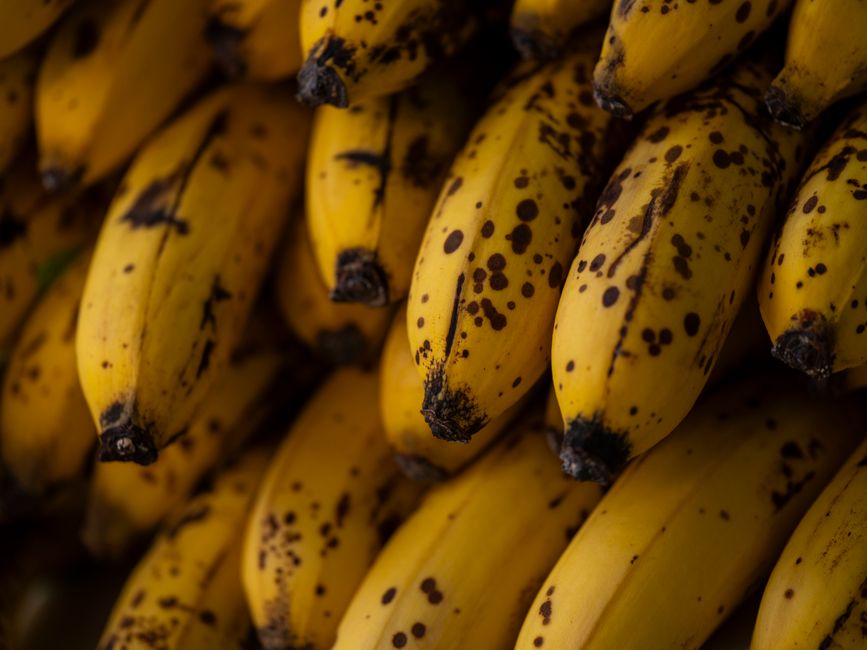
Brown bananas are still perfectly edible and often preferred for baking because of their sweetness and soft texture. The brown spots are not a sign of spoilage. They indicate that the starch has converted to sugar, which is a natural ripening process.
Common Misconceptions About Bananas
One persistent myth is that bananas are bad for you because they are high in sugar. This misunderstands the difference between naturally occurring sugar in whole fruit and added sugar in processed foods. The sugar in a banana comes packaged with fiber, water, vitamins, and minerals. Your body processes it differently than it processes a soda or candy bar. The fiber slows down absorption, and the nutrients provide additional benefits that refined sugar does not.
Another myth is that bananas should be avoided because they are too high in calories. A medium banana has about 105 calories. That is roughly the same as a small apple or a cup of strawberries. Bananas are more calorie-dense than some fruits, but they are still a low-calorie food in absolute terms. The idea that bananas are fattening comes from comparing them to very low-calorie foods like berries, not from any evidence that bananas cause weight gain.
A third misconception is that banana peels are toxic. They are not. Banana peels are edible, though they are tough and bitter. In some cultures, they are cooked or blended into smoothies. The peel contains additional fiber, vitamin B6, and magnesium. If you decide to try eating the peel, wash it thoroughly first to remove any pesticide residue.
Frequently Asked Questions
Is it okay to eat a banana every day?
Yes, for most people eating one banana daily is perfectly healthy. It provides beneficial nutrients without exceeding recommended sugar or calorie limits.
Do bananas make you gain belly fat?
No, bananas do not specifically cause belly fat. Weight gain comes from eating more calories than you burn, not from any single food.
Are bananas good for people with diabetes?
Yes, in moderation. A medium banana has a low to medium glycemic index and provides fiber that helps regulate blood sugar. Pair it with protein for best results.
Should you eat bananas on an empty stomach?
Yes, bananas are fine on an empty stomach. The fiber and natural sugars provide steady energy without causing stomach upset for most people.
