
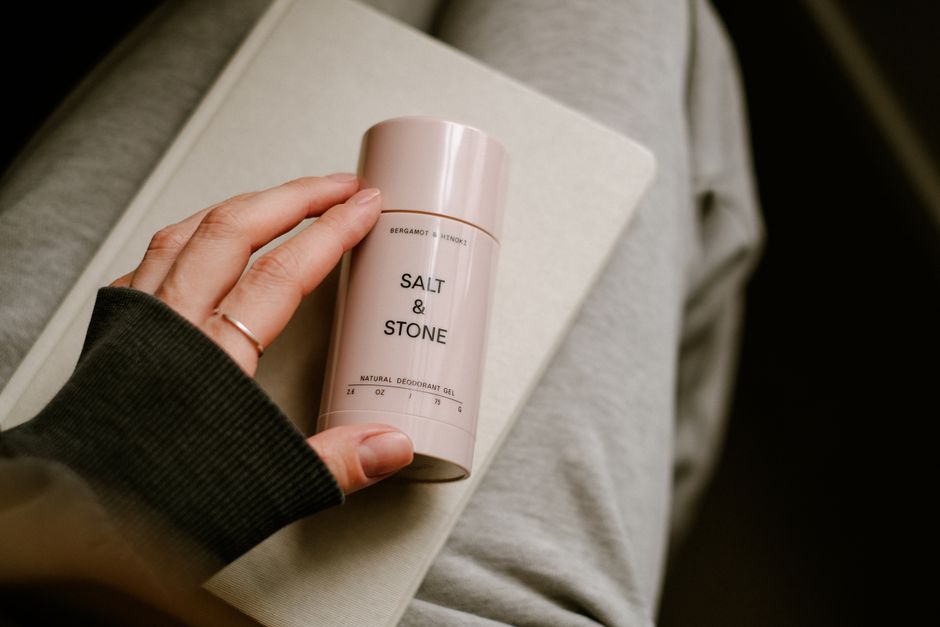
Aluminum salts in antiperspirants work by temporarily plugging sweat ducts, and that mechanism is well understood. The question of whether they are “bad” is more complicated than most headlines suggest. The strongest evidence does not support the claim that aluminum in deodorant causes breast cancer or Alzheimer’s disease, but there are real, documented reasons some people react to it — skin irritation, staining, and discomfort being the most concrete.
Why Is Aluminum In Deodorant Bad? Explained
Aluminum in deodorant is not “bad” in the way many viral posts claim. The ingredient is not classified as a carcinogen, and major health agencies have not identified it as a cause of breast cancer or dementia.
What is true is that aluminum compounds serve a specific purpose — they reduce sweating, not odor — and that purpose comes with tradeoffs. They can irritate sensitive skin, they change how your underarm feels and functions, and they leave residue on clothing. Those are the honest, documented downsides.
It also helps to separate two products people confuse. Deodorant masks odor. Antiperspirant reduces sweat. Most antiperspirants contain aluminum; many deodorants do not. The aluminum question is really an antiperspirant question.
How Does Aluminum Actually Stop Sweat?
Aluminum salts temporarily block sweat glands by forming a plug at the surface of the duct. This is a mechanical effect, not a hormonal one, and it is well documented in dermatology.
When you apply an aluminum-based antiperspirant, the aluminum ions interact with proteins and water in the sweat to create a gel-like plug inside the sweat duct. Sweat can’t reach the skin surface from that gland until the plug is gradually washed or worn away, usually over the course of a day or more with regular use.
The plug is temporary. Your sweat glands are not damaged, and they resume normal function once the product stops being applied. This is why stopping an antiperspirant often leads to a return of normal sweating within days to a couple of weeks.
Here is a point that surprises many people. The plug forms more effectively when the product is applied to dry skin at night, not after a shower in the morning. Sweat production is lower while you sleep, which gives the aluminum time to work. Some dermatologists recommend this timing, though the practice is more common clinical advice than a rigorously tested protocol.
Does Aluminum In Deodorant Cause Breast Cancer?
No convincing evidence links aluminum in deodorant to breast cancer. This is one of the most studied questions in the field, and the research has not found a causal connection.
The concern arose from a reasonable-sounding idea. Breast tissue sits near the underarm, antiperspirants are applied close to the breast, and some studies found aluminum in breast tissue samples. But finding a substance in tissue does not mean it caused a disease there.
Larger, better-designed studies have not shown that antiperspirant use raises breast cancer risk. The American Cancer Society and other major health organizations have stated that the available evidence does not support a link. When a claim this serious is made, it needs strong human evidence — and that evidence is not there.
One detail often left out: aluminum is naturally present in the environment and in some foods and drinking water. Your body already handles small amounts of aluminum routinely. The question that matters is whether the amount absorbed through skin is harmful, and current evidence does not indicate that it is.
What About Aluminum And Alzheimer’s Disease?
The Alzheimer’s claim is older than the breast cancer one, and it has been examined for decades. The evidence does not support a causal link between aluminum in antiperspirants and Alzheimer’s disease.
Early research found aluminum in the brains of some Alzheimer’s patients, which sparked the theory. Later work showed that aluminum is present in many tissues and that the early findings did not establish cause. The dominant current understanding of Alzheimer’s centers on other mechanisms, including the buildup of certain proteins in the brain.
Absorption of aluminum through intact skin from antiperspirant is very low. The skin is an effective barrier, and the amounts involved are small. Even so, this is a topic where I would be cautious about absolute certainty — the research on long-term low-level aluminum exposure is complex, and science rarely closes a question completely. What can be said clearly is that no established health authority currently lists antiperspirant aluminum as a cause of Alzheimer’s.
What Are The Real Downsides Of Aluminum Antiperspirants?
The concrete problems with aluminum antiperspirants are skin-related and practical, not life-threatening. These are the reasons a person might reasonably choose to avoid them.
- Skin irritation. Aluminum salts can cause stinging, redness, or itching, especially on freshly shaved skin. This is one of the most commonly reported reactions.
- Contact dermatitis. Some people develop an allergic skin reaction to the ingredient. A dermatologist can confirm this with patch testing.
- Yellow underarm stains. Aluminum reacts with sweat and with some fabric dyes to create yellow or grayish stains on clothing. This is a cosmetic issue, not a health one.
- Blocked sweat in some situations. Because the product reduces sweating, some people find it uncomfortable during heavy exercise or hot weather.
- Sensation of buildup. Some users report a filmy feeling or residue on the skin, particularly with heavy application.
If you have sensitive skin, a skin condition like eczema, or you shave your underarms frequently, these downsides are more likely to affect you. That is a practical reason to consider aluminum-free options, independent of any disease concern.
Is Aluminum-Free Deodorant Actually Better?
Aluminum-free deodorant is better for some people and simply different for others. It is not automatically healthier, and it does not prevent disease — it just works through a different mechanism.
Without aluminum, a deodorant does not stop sweat. It targets odor by reducing the bacteria that break down sweat into smelly compounds, or by masking odor with fragrance. If your main concern is staying dry, an aluminum-free product will not do that the way an antiperspirant does.
The evidence that aluminum-free deodorants are “safer” is not strong, because the safety concern that drives the market — cancer and Alzheimer’s — has not been supported. What aluminum-free products do offer is a lower likelihood of the skin irritation some people get from aluminum salts, and no yellow staining.
For people who sweat heavily, aluminum-free deodorants may not feel adequate. That is a real limitation, not a marketing failure. Choosing between the two is about your priorities: dryness, skin comfort, or ingredient preferences.
Should You Stop Using Aluminum Antiperspirant?
There is no established medical reason to stop using aluminum antiperspirant for most people. The decision is a personal one, and it should rest on skin comfort and preference rather than fear of disease.
If you have irritated skin, a confirmed allergy, or you simply prefer to avoid the ingredient, switching is reasonable and low-risk. If you sweat heavily or have a condition like excessive sweating (hyperhidrosis), an aluminum antiperspirant is often the first-line over-the-counter option, and stopping may bring the sweating back.
For anyone with a persistent rash, unusual breast changes, or concerns about a skin reaction, the right step is to see a clinician rather than self-diagnose from an ingredient label. Underarm lumps or skin changes deserve a professional look regardless of what deodorant you use.
One clarification worth holding onto: the ingredient list on a deodorant is not a health verdict. Aluminum has a real function, real tradeoffs, and a body of research behind it that does not support the scariest claims. The honest position is that aluminum antiperspirants are effective at reducing sweat, can irritate some skin, and are not established causes of cancer or dementia.
Frequently Asked Questions
Does aluminum in deodorant cause cancer?
No convincing evidence links aluminum antiperspirants to cancer, including breast cancer. Major health organizations have stated the available research does not support a causal link.
Is aluminum-free deodorant safer?
Not in terms of disease risk, because the disease concerns have not been supported by evidence. It may be gentler on sensitive skin and avoids yellow staining on clothing.
Does aluminum in deodorant cause Alzheimer’s disease?
The evidence does not support a causal link between antiperspirant aluminum and Alzheimer’s disease. Skin absorption of aluminum from these products is very low.
Can I use aluminum antiperspirant after shaving?
You can, but it often stings or irritates freshly shaved skin. Applying it to dry skin at night, when sweat is lower, reduces irritation and may improve how well it works.
