
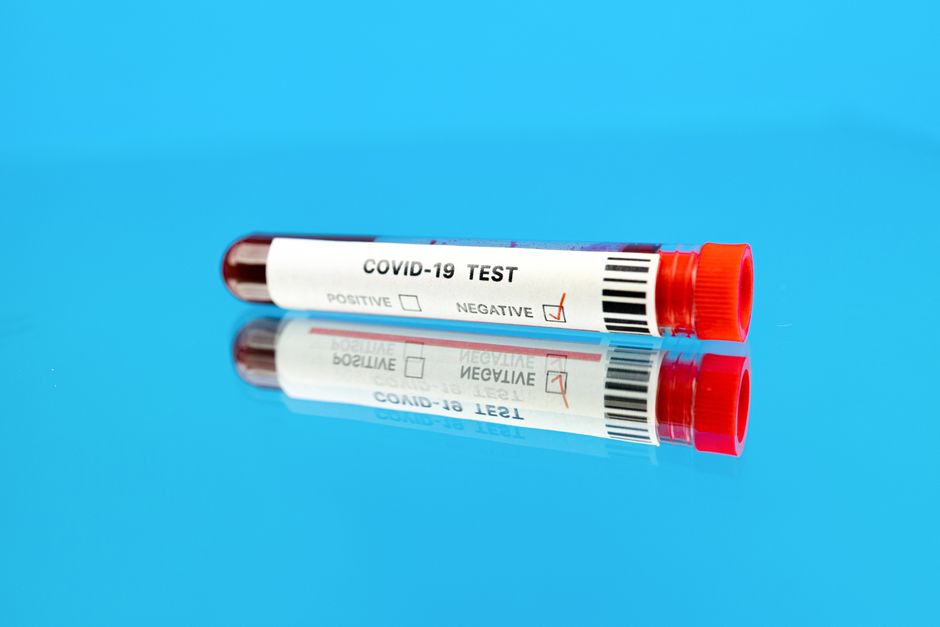
AB negative is the rarest of the eight main blood types. It shows up in roughly 1 in 200 people or fewer, depending on the population. Two separate reasons explain this: the AB blood group is already uncommon, and the negative Rh factor is uncommon on top of it. Stack those two low probabilities together and you get a blood type that most people will never have.
To understand why, you need to know how blood type is built. It comes down to two independent systems working at the same time. Each one is inherited separately. Each one skews toward certain versions in most populations. AB negative is what happens when the less common version of each system lands in the same person.
Why Is AB Negative Blood So Rare?
Blood type is set by two separate genetic systems: the ABO system and the Rh system. AB negative requires a person to inherit the AB pattern from the ABO system and the negative Rh pattern from the Rh system. Both are the minority outcome in most populations, so the combination is uncommon.
The math is straightforward once you see it. If AB is roughly 4 in 100 people in the United States and Rh negative is roughly 15 in 100, the overlap is small. Multiply those fractions and you land near the observed rate for AB negative, which blood collection organizations put at well under 1 percent of the population.
This is why AB negative is sometimes called the rarest main blood type. It is not rare because of anything wrong with the blood. It is rare because it depends on two low-frequency traits arriving together.
How Does the ABO System Create the AB Type?
The ABO system is controlled by a single gene on chromosome 9. That gene comes in three common versions, often written as A, B, and O. You inherit one version from each parent, so you carry two copies.
What matters is how those copies behave. The A and B versions are co-dominant, meaning neither hides the other. If you inherit an A from one parent and a B from the other, your red cells display both A and B markers on their surface. That is type AB.
The O version is different. It produces no active marker at all, so it is recessive to both A and B. You only get type O if you inherit O from both parents.
Here is the part many people miss. Type AB is the only blood type where a person carries both A and B markers and neither is hidden. That makes AB genetically distinctive, but it also means AB can only arise from specific combinations of parental genes. A parent who is type O, for example, cannot pass on an A or B version, which limits what a child can inherit.
Why Is Rh Negative Less Common Than Rh Positive?
The Rh system is controlled by a different set of genes, mainly on chromosome 1. The key gene is often called RHD. If it is present and working, your red cells carry the RhD marker and you are Rh positive. If it is missing or inactive, you are Rh negative.
Rh positive is far more common worldwide. Rh negative is most frequent in people of European descent and much less common in people of African, Asian, and Indigenous American ancestry. The reasons for these geographic differences are not fully settled, and researchers continue to study them.
The important point for blood type is simple. Being Rh negative requires inheriting an inactive or absent RHD gene from both parents. That is a less likely outcome than inheriting at least one working copy, which is why Rh positive dominates most populations.




Why Do Some Populations Have More AB Negative?
AB negative rates vary by ancestry, and the differences can be large. Populations with more Rh negative people and more type B and type AB people will naturally produce more AB negative individuals.
Blood collection organizations publish general figures for the United States. AB negative is consistently among the least common types in those tables. But those national numbers blend many ancestries together, so a single person’s odds depend heavily on their family background.
This is one reason population-level statistics should be read carefully. A rarity figure for the whole country can hide wide variation between groups. The overall picture still holds: AB negative is uncommon everywhere, but how uncommon depends on who you are counting.
Is AB Negative Blood Special?
AB negative is uncommon, but uncommon is not the same as uniquely valuable. Its practical importance comes from two features: it is rare in the donor pool, and it can be given to a limited group of recipients.
People with AB positive blood are sometimes called universal plasma donors, and AB negative carries similar plasma advantages. On the red cell side, AB negative red cells can only go to AB negative recipients, who are themselves rare. That makes AB negative red cells hard to match and worth conserving.
There is a common misconception worth correcting. Having a rare blood type does not make a person healthier or more fragile. Blood type does not determine general health. The rarity is a matter of genetics and matching, nothing more.
What Does AB Negative Mean for Transfusions and Pregnancy?
For transfusions, AB negative patients can receive red cells from AB negative donors and, in many cases, from other Rh negative donors depending on the situation. Clinical teams match blood carefully, and the exact rules are set by transfusion medicine guidelines, not by guesswork.
For pregnancy, the Rh factor matters. An Rh negative mother carrying an Rh positive baby can develop antibodies against the baby’s Rh positive cells. This is called Rh incompatibility. It is well established and well managed.
Clinicians use Rh immune globulin, often called RhoGAM, to prevent these antibodies from forming. This is standard obstetric care with strong evidence behind it. Anyone with questions about their Rh status during pregnancy should raise them with their obstetric provider, because timing and dosing are clinical decisions.
Can Two Parents Without AB Negative Have an AB Negative Child?
Yes. A child’s blood type is not a copy of either parent’s type. It is a new combination drawn from the genes each parent carries, including genes they do not show themselves.
A parent with type A blood might carry a hidden B version and pass it on. A parent who is Rh positive might carry a hidden Rh negative version. When those hidden versions meet in a child, the child’s blood type can differ from both parents.
This is why blood type alone cannot prove or disprove a family relationship. It can rule some combinations out, but it cannot confirm parentage. Modern genetic testing is used for that, not blood typing.
What Should You Do If You Have AB Negative Blood?
Knowing your blood type is useful, especially if you ever need a transfusion or are planning a pregnancy. Beyond that, AB negative does not require any special daily routine.
If you are AB negative and eligible to donate, your blood is genuinely useful because the supply is thin. Blood centers often note when rare types are in demand. Donation eligibility depends on health, medications, travel history, and other factors that the blood center will screen for.
Keep a record of your blood type and share it with your healthcare provider. That is the practical step. Everything else about AB negative is genetics, not a health condition.
Frequently Asked Questions
What percentage of people have AB negative blood?
AB negative is found in well under 1 percent of people in most populations, though exact rates vary by ancestry. Blood collection organizations list it as the least common of the main blood types in the United States.
Can AB negative receive any blood type?
No. AB negative recipients are generally matched with AB negative red cells, and clinical teams follow transfusion guidelines for each situation. The “universal recipient” label applies to AB positive for red cells, not AB negative.
Is AB negative the rarest blood type in the world?
AB negative is the rarest of the eight main blood types in most populations. Some rare subtypes exist that are far less common, but they fall outside the standard ABO and Rh categories.
Does having AB negative blood affect health?
No. Blood type does not determine general health or cause disease. The main practical considerations are transfusion matching and Rh status during pregnancy.
