
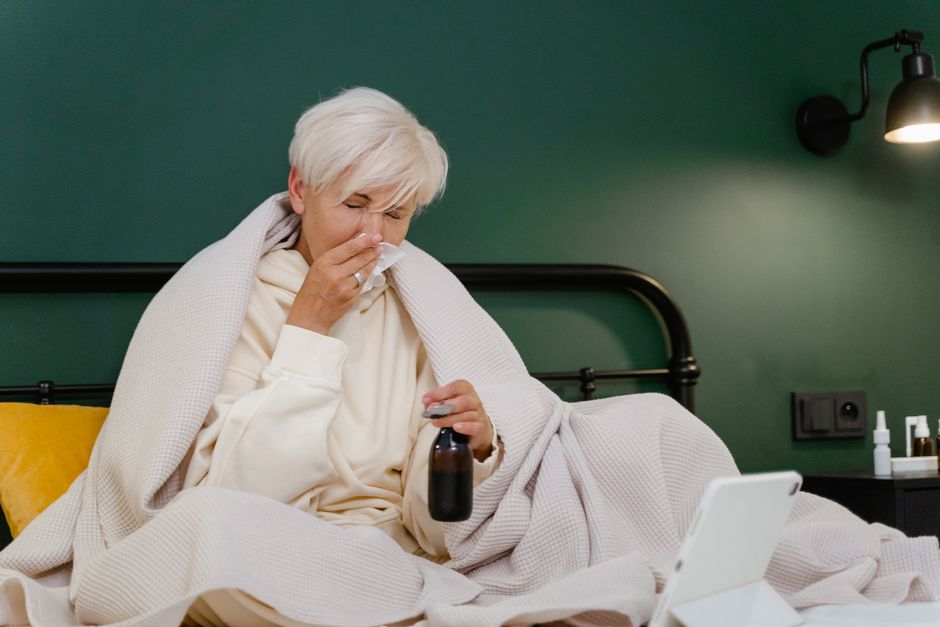
The common cold is called a cold because of how it was understood in ancient and medieval medicine, not because low temperatures cause it. Early physicians linked the illness to cold weather and to an excess of “cold” in the body, and the name stuck even after the true cause — viruses — was discovered. Today we know colds are caused by viral infections, most often rhinoviruses, but the old label survived because colds really do cluster in colder months.
Why Is A Cold Called A Cold?
The name comes from the long-held belief that cold weather and cold exposure caused the illness. In ancient Greek and Roman medicine, health was thought to depend on a balance of four humors, and being chilled was believed to tip the body toward an imbalance that produced symptoms like a runny nose and cough.
That idea carried into medieval and early modern Europe. People noticed that respiratory illnesses became more common in winter, which seemed to confirm the link. The word “cold” described both the weather and the sickness, and the two meanings blurred together.
When scientists began identifying viruses in the twentieth century, the real cause became clear. The common cold is an infection, usually viral, and you can catch it without ever being chilled. The name is essentially a historical leftover — a label from a theory of disease that has since been replaced.
Did Cold Weather Ever Actually Cause Colds?
No. Cold temperatures do not cause colds. Colds are caused by viruses, and you have to be exposed to one to get sick.
The confusion is understandable. Colds surge in fall and winter, so cold weather and colds appear together. But correlation is not causation. The seasonal rise has other explanations, which researchers have studied for decades.
One factor is that people spend more time indoors in close contact during cold months, which makes it easier for viruses to pass from person to person. Another is that many cold viruses circulate more readily in cooler, drier air. Dry air may also affect the nasal passages’ natural defenses, though the details are still being studied.
Being cold itself — wet hair, going out without a jacket, sitting in a draft — has not been shown to give you a cold. Some studies have looked at whether chilling increases infection risk, and the results have been mixed and generally weak. The honest position is that cold exposure is not a meaningful cause of the common cold. The virus is.
What Actually Causes a Cold?
Colds are caused by viruses, and rhinoviruses are the most common culprits. More than 200 different viruses can produce cold symptoms, which is one reason people keep getting colds and why there is no single vaccine.
The main groups include:
- Rhinoviruses — the most frequent cause of colds in humans.
- Coronaviruses — several strains cause ordinary colds, separate from the virus that causes COVID-19.
- Adenoviruses — can cause cold-like illness and other infections.
- Respiratory syncytial virus (RSV) — common and usually mild in adults, but can be serious in infants and older adults.
- Parainfluenza viruses — another group linked to upper respiratory symptoms.
These viruses spread mainly through droplets from coughs and sneezes, and through contact with contaminated surfaces followed by touching your eyes, nose, or mouth. Once a virus reaches the lining of the nose and throat, it invades cells and triggers the immune response that produces symptoms.
Why Do Colds Happen More in Winter?
Colds are more common in colder months, but the season is not the cause — the conditions that come with it are. Several factors line up in winter to make transmission easier.
People gather indoors with windows closed, putting them in closer proximity where viruses spread more easily. School terms bring children together, and children are efficient spreaders of cold viruses to their households.
There is also evidence that some viruses survive and transmit better in cool, dry air. Indoor heating lowers humidity, and dry air may weaken the mucus barriers in the nose that help trap and clear viruses. Research on this is ongoing, and the exact contribution of dry air compared with other factors is not fully settled.
One point that often gets missed: the winter spike does not require cold air to “cause” anything. It reflects behavior and environment — crowding, indoor contact, and drier air — more than temperature itself.
What Are the Symptoms of a Cold?
Cold symptoms usually appear one to three days after exposure and build over the first few days. They typically include a runny or stuffy nose, sneezing, sore throat, and mild cough.
Other common symptoms include:
- Mild fatigue
- Watery eyes
- Low-grade fever, more often in children than adults
- Headache
- Mild body aches
Most colds resolve on their own within about a week to ten days, though a cough can linger a little longer. Symptoms that are severe, worsening after a week, or accompanied by high fever or trouble breathing are not typical of a simple cold and warrant medical attention.
Colds are different from influenza and COVID-19, which tend to come on faster and cause more intense symptoms like high fever and significant body aches. A mild respiratory illness can be hard to tell apart from these without testing, so when in doubt, testing is the reliable way to know.
How Do You Prevent and Manage a Cold?
There is no cure for the common cold. Management focuses on relieving symptoms while the immune system clears the infection. Prevention focuses on reducing exposure to viruses.
For prevention, the most reliable steps are handwashing with soap and water, avoiding touching your face with unwashed hands, and keeping distance from people who are visibly sick. Cleaning frequently touched surfaces helps. These measures target the actual route of transmission — viruses — rather than temperature.
For symptom relief, common approaches include rest, fluids, and over-the-counter remedies for congestion or sore throat. These do not shorten the illness; they ease discomfort. Antibiotics do not work against colds because colds are viral, and using them unnecessarily contributes to antibiotic resistance. No over-the-counter product has been shown to cure a cold, and products marketed as cold “cures” should be viewed skeptically.
Some clinicians recommend saline nasal rinses for congestion, and the evidence for modest symptom relief is reasonable, though it varies. Zinc and vitamin C have been studied for cold treatment and prevention, and the results are mixed — some studies suggest a possible small benefit in certain circumstances, while others do not. The evidence is not strong enough to present either as a reliable treatment. If you are considering supplements, particularly in children or during pregnancy, check with a clinician first, since dosing guidance for these groups is not clearly established.
Does Being Cold Weaken Your Immune System?
Brief cold exposure does not meaningfully weaken your immune system. The immune system is not so fragile that a chill tips it into failure.
There is more nuance in prolonged cold stress and in dry winter air. Cold, dry air can dry out the nasal passages, and the mucus lining is part of the body’s first-line defense against viruses. When that lining is drier, its ability to trap and clear viruses may be reduced. This is a plausible mechanism and is an active area of research, but it is not the same as saying “being cold gives you a cold.”
The practical takeaway is not to fear the cold. It is to understand that winter raises your risk through closer indoor contact and drier air, and that the virus — not the temperature — is what makes you sick.
Frequently Asked Questions
Why is a cold called a cold if cold weather doesn’t cause it?
The name comes from ancient and medieval medicine, which linked the illness to cold weather and to an excess of “cold” in the body. The label survived even after viruses were identified as the real cause.
Can you get a cold from being cold or wet?
No. Colds are caused by viruses, and cold or wet conditions have not been shown to cause infection. Winter raises cold risk mainly through more indoor contact and drier air, not temperature itself.
Why do colds happen more in winter?
People spend more time indoors in close contact during cold months, which makes viral spread easier. Cool, dry air may also help some viruses transmit and can dry out the nasal passages’ protective lining.
How long does a cold usually last?
Most colds resolve within about a week to ten days, though a cough can linger a bit longer. Symptoms that are severe, worsening after a week, or paired with high fever or trouble breathing should be checked by a clinician.
