
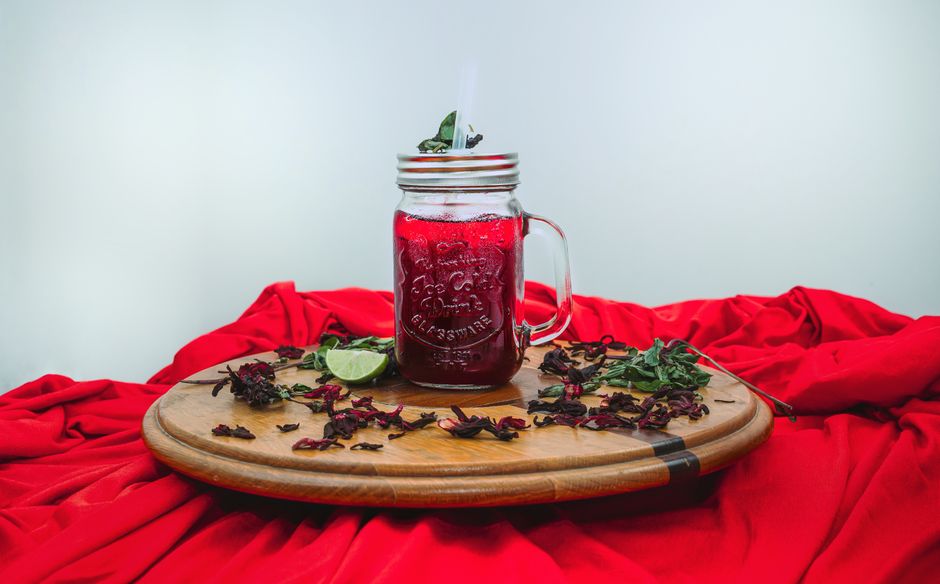
Hibiscus tea is naturally acidic, and acid is exactly what causes milk to curdle. When you pour milk into hot hibiscus tea, the acid drops the pH of the milk, which makes its proteins clump together and separate. This is a normal chemical reaction, not a sign that your tea or milk has gone bad. You can prevent it by lowering the tea’s acidity, changing the temperature, or adding the milk slowly.
Why Does Hibiscus Tea Curdle Milk?
Milk contains proteins called caseins. These proteins stay suspended in liquid because of their electrical charge and the surrounding chemistry. When something acidic is added, the pH drops. At a low enough pH, the casein proteins lose their stability and clump together.
Hibiscus tea is quite acidic. The dried hibiscus flowers contain natural acids, including citric acid and malic acid. When steeped, these acids leach into the water. The resulting tea has a pH typically in the range of 2.5 to 3.5. That is acidic enough to curdle milk on contact.
Heat makes the reaction faster. Hot tea accelerates protein denaturation, which is why curdling often happens immediately when hot hibiscus tea meets cold milk. The combination of high acidity and high temperature is a double trigger.
Is Curdled Milk in Tea Safe to Drink?
Curdled milk in tea is not spoiled, and it is not a food safety issue. The milk has simply undergone a chemical change. The proteins have clumped, but no harmful compounds are formed.
That said, the texture is unpleasant. Curdled tea looks lumpy and separated, and it has a grainy mouthfeel. Most people pour it out because it is unappealing, not because it is dangerous.
If the milk itself was already close to its expiration date, curdling can be more pronounced. But the curdling you see with hibiscus tea is caused by the tea’s acid, not by spoiled milk. Fresh milk will curdle in hibiscus tea just as quickly as older milk.
How to Prevent Milk from Curdling in Hibiscus Tea
There are several reliable ways to keep milk from curdling in hibiscus tea. Each method works by changing one of the conditions that cause the reaction.
- Cool the tea first. Let the hibiscus tea drop to room temperature or cooler before adding milk. Lower temperatures slow the protein reaction significantly.
- Add milk slowly. Pouring milk in a thin stream while stirring helps the milk adjust to the tea’s acidity more gradually. Rapid mixing causes sudden pH changes that trigger clumping.
- Warm the milk. Cold milk added to hot tea creates a sharp temperature difference. Warming the milk to near the tea’s temperature reduces thermal shock.
- Dilute the tea. Steep the hibiscus flowers more lightly, or add plain hot water to the brewed tea before adding milk. This raises the pH and reduces the acid concentration.
- Use a milk with different proteins. Some plant-based milks are less prone to curdling. Oat milk and almond milk do not contain casein, so they behave differently when mixed with acid.
The most effective single step is cooling the tea. A room-temperature hibiscus tea with milk added slowly will rarely curdle. A hot cup with milk poured in quickly will almost always curdle.





Does the Type of Milk Matter?
Yes. Different milks have different protein structures, and they respond to acid differently.
Whole milk, skim milk, and other dairy milks all contain casein. They will all curdle in acidic conditions, though the speed and texture can vary. Higher-fat milk can sometimes appear to curdle less dramatically because the fat globules coat the protein clumps, but the reaction still happens.
Plant-based milks do not contain casein. Oat milk and almond milk are generally stable in acidic tea. Coconut milk can separate but for different reasons, related to fat content rather than protein coagulation. Soy milk can curdle in acidic conditions because soy proteins also respond to pH changes.
If you want a creamy cup of hibiscus tea without curdling, oat milk is the most reliable choice. It has no casein, and its starch content helps keep the mixture smooth.
Does Brewing Method Change the Acidity?
The longer you steep hibiscus flowers, the more acid ends up in the tea. A short steep of 3 to 5 minutes produces a milder tea. A long steep of 10 minutes or more produces a strongly acidic brew that is far more likely to curdle milk.
Water temperature also matters. Boiling water extracts more acid from the flowers than warm water. Using water that is just below boiling, around 200°F, will produce a slightly less acidic cup.
Some people add a pinch of baking soda to hibiscus tea to neutralize the acid. This does work to prevent curdling, but it also changes the flavor significantly. The tea becomes less tart and can taste flat. It is a trade-off that most people do not find worthwhile.
Adding a sweetener like honey or sugar does not prevent curdling. Sugar does not meaningfully change the pH of the tea. The acid is still present, and the milk will still react.
Is Hibiscus Tea with Milk a Common Drink?
Hibiscus tea is traditionally served without milk in most cultures. In Mexico, Jamaica, and parts of Africa and the Middle East, hibiscus tea is enjoyed hot or cold, usually with sugar, but rarely with dairy.
In recent years, some cafes and home drink makers have experimented with adding milk to hibiscus tea to create a pink or purple latte. These drinks are visually striking, and they can work when prepared carefully. The key is temperature control and slow mixing.
If you want a hibiscus latte, the best approach is to brew a concentrated hibiscus tea, let it cool, then mix it with foamed oat milk or another plant-based milk. Dairy milk can work too, but it requires more care.
What If the Tea Still Curdles?
If your hibiscus tea curdles despite your best efforts, the tea is still drinkable. You can strain out the lumps with a fine mesh sieve, and the remaining liquid will be smooth. The flavor will be essentially unchanged.
You can also blend the curdled mixture. A few seconds in a blender will often re-emulsify the proteins enough to make the drink smooth again. This works best if the tea is not too hot.
If you are serving hibiscus tea to guests, the simplest solution is to offer milk on the side and let everyone add it themselves. That way, each person can decide whether to risk curdling or drink the tea plain.
Frequently Asked Questions
Why does my hibiscus tea curdle immediately when I add milk?
Hibiscus tea is highly acidic, with a pH around 2.5 to 3.5, and that acid causes milk proteins to clump on contact. Hot tea makes the reaction even faster.
Can I drink hibiscus tea that has curdled?
Yes, curdled milk in tea is safe to drink because it is a chemical reaction, not spoilage. The texture will be lumpy and unappealing, but no harmful substances are formed.
What milk does not curdle in hibiscus tea?
Oat milk and almond milk do not contain casein, so they are much less likely to curdle in acidic tea. Dairy milk will curdle because of its casein proteins.
Does adding sugar to hibiscus tea prevent curdling?
No, sugar does not change the tea’s acidity, so it will not prevent curdling. Only reducing the acid, lowering the temperature, or changing the type of milk will help.
