
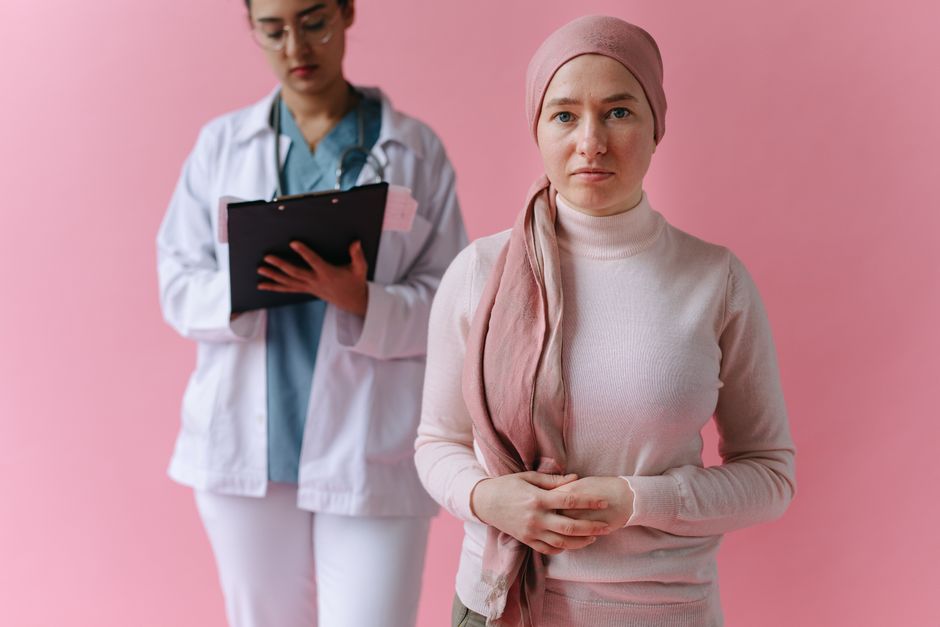
Healthcare is a human right because access to medical care determines whether people live or die, and no society can call itself just while allowing basic treatment to depend on income. The World Health Organization has recognized health as a fundamental human right since 1946. This is not a political opinion — it is a widely accepted international standard. When people cannot see a doctor because of cost, they do not simply miss a convenience. They miss a chance to catch a disease early, manage a chronic condition, or survive an emergency.
What Does It Mean To Say Healthcare Is A Human Right?
A human right is something every person has simply because they are human. It is not earned. It is not a reward for working hard. It is not something you lose if you lose your job.
When healthcare is treated as a right, it means the system exists to serve everyone equally. When it is treated as a privilege, it means only some people get care — usually those who can afford it or have the right insurance.
The practical difference shows up in daily life. A person with a right to healthcare can see a doctor when they feel sick. A person with healthcare as a privilege must first ask whether they can afford the visit. That delay can turn a treatable condition into a life-threatening one.
The evidence for healthcare as a right is not just philosophical. Countries that guarantee healthcare access consistently show better population health outcomes than countries that leave access to the market. Infant mortality, life expectancy, and preventable death rates all improve when care is available regardless of income.
Why Do People Argue Healthcare Is A Privilege?
The main argument against healthcare as a right is economic. Some argue that medical care is a service like any other — something you pay for, like food or housing. Under this view, government involvement distorts the market and leads to inefficiency.
There is also a fairness argument some people make. They say that if someone does not work or cannot pay, expecting others to cover their care is unfair. This view treats healthcare as a commodity you acquire rather than a need you are born with.
But there is a fundamental problem with that comparison. You can choose not to buy a new phone. You cannot choose not to need insulin if you have diabetes. You cannot choose not to have a heart attack. Medical need is not a lifestyle choice.
Some research has examined whether market-based healthcare systems deliver better results. The evidence does not support that conclusion. The United States spends more on healthcare than any other wealthy nation yet ranks lower than most on key health measures like life expectancy and preventable death. Spending more money does not equal better health when access is unequal.
What Does The Evidence Say About Universal Healthcare Outcomes?
The data comparing healthcare systems is substantial. Countries with universal coverage — where every resident can access care without financial hardship — consistently outperform the United States on many health metrics.
Life expectancy is one example. People in countries with universal healthcare systems live longer on average than Americans do. The gap is not small. It represents years of life, not months.
Preventable deaths tell a similar story. Some research has found that the United States has higher rates of deaths that could have been avoided with timely medical care compared to other wealthy nations. These are deaths from conditions like high blood pressure, diabetes, and certain infections — all treatable when caught early.
The reason is not that American doctors are worse. American medical training and technology are among the best in the world. The problem is access. When people avoid care because of cost, they show up later with more advanced disease. By the time they reach a doctor, treatment is harder and less effective.
Financial protection also matters. In countries with universal coverage, people rarely go bankrupt from medical bills. In the United States, medical debt is one of the leading causes of personal bankruptcy. That financial stress itself harms health — people under financial strain sleep worse, eat worse, and have higher stress hormone levels.





How Does Lack Of Access Actually Harm People?
The harm from treating healthcare as a privilege is not abstract. It shows up in concrete, measurable ways.
People without insurance or with high deductibles delay care. They skip preventive screenings because of the copay. They ration their medications — taking their blood pressure pill every other day instead of daily to make the prescription last longer. They go to the emergency room for problems a primary care doctor could have handled weeks earlier for a fraction of the cost.
Chronic diseases are where this gets most dangerous. Conditions like diabetes, hypertension, and heart disease do not announce themselves dramatically at first. They build quietly. Regular checkups catch them early. Without those checkups, they progress silently until a heart attack or stroke forces a crisis.
Emergency rooms cannot fix this. By law, US emergency rooms must treat anyone in a medical emergency regardless of ability to pay. But emergency care is crisis care. It stabilizes you. It does not manage your diabetes or monitor your blood pressure over years.
The result is a system that spends enormous amounts on the most expensive care — late-stage cancer treatment, emergency surgery, intensive care — while underfunding the cheap preventive care that stops those crises from happening.
Is Healthcare A Right In Other Countries?
Yes. Most wealthy countries treat healthcare as a right. The specific structure varies, but the principle is consistent.
Some countries use a single-payer system where the government funds healthcare through taxes. Others use a social insurance model where employers and individuals contribute to nonprofit insurance funds. Some use regulated private insurance markets with strict rules preventing denial of coverage.
The common thread is that every resident has access to care regardless of income. Nobody in these countries asks whether you can afford to see a doctor. That question simply does not arise.
The United States stands out among wealthy nations as the only one without universal coverage. This is not because the US cannot afford it — the US spends more per person on healthcare than any other country. It is a policy choice, not an economic necessity.
Some argue that universal systems mean long wait times and lower quality. The evidence does not support this as a trade-off. Many universal systems rank higher than the US on measures of healthcare quality, patient satisfaction, and health outcomes. Wait times exist in some systems for elective procedures, but emergency and urgent care is typically fast everywhere.
Why Healthcare Is A Human Right Not A Privilege In Practice
The practical case for healthcare as a right comes down to three facts.
First, health is the foundation of everything else. You cannot work, learn, care for your family, or participate in your community if you are sick or dying. Every other right — the right to work, to education, to free expression — means little if you cannot stay alive to exercise them.
Second, medical need is not distributed fairly. Some people are born with genetic conditions. Some get cancer despite perfect lifestyles. Some are injured in accidents that were not their fault. A system that ties care to merit or income punishes people for circumstances largely outside their control.
Third, untreated illness costs everyone. When one person cannot afford insulin and ends up in the emergency room with a foot infection, the cost of that crisis care is spread across everyone through higher premiums and taxes. A system that delays care does not save money — it shifts costs from cheap early treatment to expensive late treatment.
There is also a moral argument that does not depend on economics. Human dignity requires that a society not let its members die or suffer from treatable conditions simply because they lack money. That is a value judgment, not a scientific one. Different people will weigh it differently. But it is the core of why so many consider healthcare a right rather than a privilege.
What Can Individuals Do While The System Debates?
While policy debates continue, individuals can take practical steps to protect their health and finances.
Preventive care is the highest-value healthcare you can access. Annual physicals, blood pressure checks, cholesterol screening, and cancer screenings catch problems early. If you have insurance, use it for these services. Many are covered at no cost under US law as preventive services.
If you cannot afford insurance, look into options. Medicaid expansion has made coverage available to more low-income adults in many states. The Affordable Care Act marketplace offers subsidized plans based on income. Community health centers provide sliding-scale fees based on what you can pay. These options do not solve the systemic problem, but they can help individuals in the short term.
Know the warning signs of serious conditions. Chest pain, sudden weakness, severe headache, shortness of breath, and unexplained weight loss deserve prompt medical attention. Do not delay emergency care because of cost concerns — emergency rooms must treat you, and many hospitals offer financial assistance programs.
Frequently Asked Questions
Why is healthcare considered a human right?
Healthcare is considered a human right because medical care is necessary for survival and dignity, and the World Health Organization has recognized it as such since 1946. No one chooses to be sick, and access to treatment should not depend on income.
Does universal healthcare actually improve health outcomes?
Yes, countries with universal healthcare consistently show better population health outcomes than systems that leave access tied to income. They have longer life expectancy and fewer preventable deaths from treatable conditions.
Is healthcare a right in the United States?
The United States does not guarantee healthcare as a right for all residents. Emergency care is legally required, but ongoing and preventive care depends on insurance coverage and ability to pay.
What happens when people cannot afford healthcare?
People delay care, skip medications, and avoid preventive screenings, which leads to more advanced disease and worse outcomes. This often results in more expensive emergency care that costs the whole system more in the long run.
