
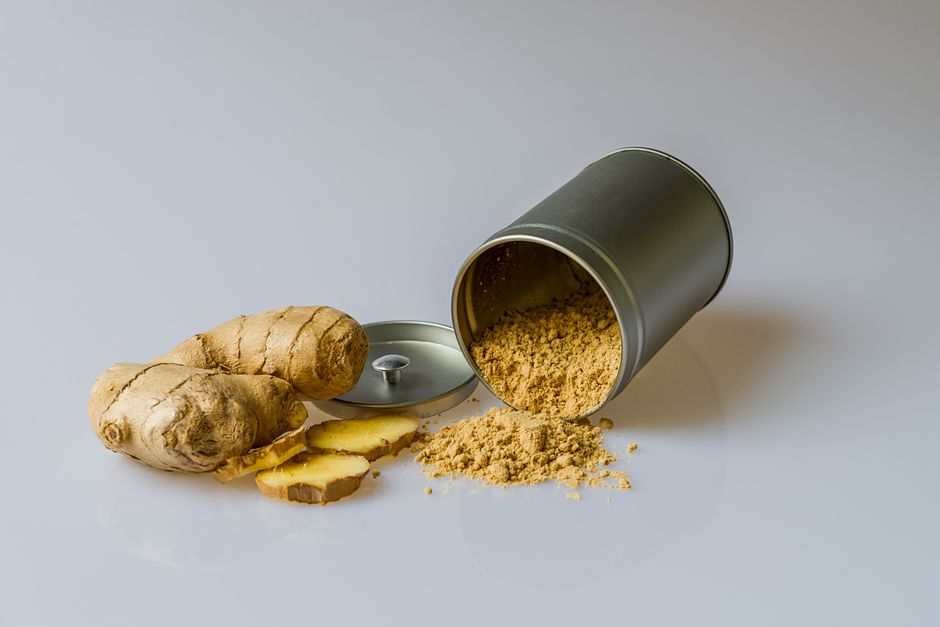
When the temperature drops and winter settles in, your body craves warmth. Ginger delivers that warmth naturally. It works by stimulating circulation and digestion, producing a gentle internal heat that helps you feel warmer from the inside out. This effect, combined with ginger’s anti-inflammatory and antioxidant compounds, makes it one of the most practical spices to include in your winter routine.
What makes ginger warming?
Ginger contains bioactive compounds called gingerols and shogaols. These are responsible for its characteristic heat and many of its health effects. When you eat or drink ginger, these compounds interact with receptors on your tongue and in your digestive tract. The body responds by increasing blood flow, especially to the surface of the skin. This is why you may feel a mild warming sensation shortly after consuming ginger.
Beyond the immediate sensation, research has found that ginger has a mild thermogenic effect. It slightly raises body temperature through increased metabolism. This is not the same as shivering or fever — it is a subtle metabolic boost. While the effect is gentle, it can be noticeable on a cold day.
How does ginger support winter digestion?
Cold weather often changes eating habits. People tend to eat heavier, richer foods and larger portions. This can lead to bloating, indigestion, and sluggishness. Ginger has a long history of use for digestive complaints.
Gingerols and shogaols stimulate the production of saliva and bile. They also help speed up gastric emptying — the rate at which food leaves your stomach. A 2008 study in the World Journal of Gastroenterology found that ginger accelerated stomach emptying in people with functional dyspepsia. This effect can reduce the feeling of fullness and bloating after a heavy winter meal.
For occasional nausea — whether from a stomach bug or motion sickness — ginger has consistent evidence of benefit. Several clinical trials have confirmed that ginger is more effective than placebo for nausea related to pregnancy, surgery, and chemotherapy. The evidence for general winter digestive discomfort is less studied, but the mechanism supports its traditional use.
Does ginger help with winter immunity?
Winter is cold and flu season. Many people turn to ginger hoping to boost their immune system. The evidence here is more modest than marketing suggests, but there are genuine effects.
Ginger contains compounds with antioxidant and anti-inflammatory activity. These include gingerols, shogaols, and zingerone. In laboratory studies, these compounds reduce the production of pro-inflammatory cytokines. Chronic low-grade inflammation can impair immune function over time, so reducing it may help the immune system respond more effectively to infections. However, this is indirect.
Some research has examined whether ginger can prevent or treat colds. A 2012 study in Phytotherapy Research found that a daily supplement of ginger reduced the severity and duration of cold symptoms in a small group of participants. However, the study was small and used a combination product. Larger, more rigorous trials are lacking. The evidence currently supports ginger as a possible aid for cold symptom relief, not as a proven preventive or cure.




Why Ginger Is The Perfect Spice For Winter?
Ginger fits winter needs from multiple angles. It is warming, which helps your body adjust to cold temperatures. It aids digestion after heavy meals. It provides anti-inflammatory and antioxidant support during a season when fresh produce is less abundant and respiratory infections are common. It is also versatile — you can use it fresh, dried, powdered, or as a tea.
No single spice does everything, but ginger addresses several winter-specific challenges in one ingredient. It is not a magic bullet, but it is a practical, evidence-supported addition to your winter diet.
How should you use ginger in winter?
Ginger is safe when used as a food or in moderate supplemental amounts. The most common way to consume it is as a tea. Simmer a few slices of fresh ginger in water for 10 minutes. You can add lemon and honey, though honey is not recommended for children under one year due to botulism risk.
Fresh ginger can be grated into soups, stir-fries, and curries. Dried ginger powder works in baked goods, smoothies, and warm milk. Pickled ginger is often served with sushi and can be eaten as a palate cleanser.
If you choose supplements, ginger is available in capsules, extracts, and tinctures. No specific dosage is established for winter health. In clinical studies investigating nausea or inflammation, doses typically ranged from 1 to 2 grams of ginger powder per day, divided into multiple doses. For general winter use, amounts found in food are sufficient. Most experts advise against exceeding 4 grams per day of powdered ginger due to the risk of heartburn or mouth irritation.
Are there any risks or precautions?
Ginger is generally safe for most people. Common mild side effects include heartburn, diarrhea, and mouth irritation, especially at high doses. Ginger can interact with blood-thinning medications like warfarin and aspirin because it has mild antiplatelet effects. If you take blood thinners, speak with your healthcare provider before using ginger supplements.
For people with gallstones, ginger may stimulate bile production, which could worsen symptoms. In such cases, it is best to consume ginger in food amounts only and consult a doctor.
Pregnant women often use ginger for morning sickness. The American College of Obstetricians and Gynecologists notes that ginger can be considered a nonpharmacologic option for nausea and vomiting during pregnancy. However, they recommend not exceeding 1 gram per day of ginger powder in pregnancy due to limited safety data. Always check with your obstetrician before starting any supplement.
What does the research say about ginger and colds?
The link between ginger and the common cold is not well established. A 2014 review in the Cochrane Database of Systematic Reviews looked at several plant-based remedies for colds. It concluded that there was insufficient evidence to recommend ginger for prevention or treatment. However, the review noted that ginger may help with symptoms due to its anti-inflammatory effects.
A small 2012 study found that a ginger extract reduced cold symptom severity compared to placebo. But the study had only 56 participants and combined ginger with other ingredients. More research is needed.
The bottom line: ginger is unlikely to prevent a cold. It may modestly reduce symptom severity if taken early. It is not a substitute for proven preventive measures like vaccination, hand washing, and adequate sleep.
Can ginger replace other winter remedies?
No. Ginger should not replace standard medical care. For example, vitamin D supplementation is recommended during winter in northern latitudes because sun exposure is limited. Zinc lozenges have stronger evidence for shortening cold duration. Fluids, rest, and over-the-counter medications remain the mainstays of cold management.
Ginger can complement these measures. It provides warmth, digestive support, and anti-inflammatory compounds that may help you feel better during illness. But it is not a replacement for proven interventions.
Frequently Asked Questions
Can ginger prevent the flu?
No large study has shown that ginger prevents influenza. Ginger may help reduce some symptoms, but it does not replace the flu vaccine or other preventive measures.
How much ginger is safe to eat daily?
Up to 4 grams of ginger powder per day is generally considered safe for adults. For pregnancy, most guidelines recommend no more than 1 gram per day. Doses from food are safe for everyone.
Does ginger interact with any medications?
Yes, ginger can interact with blood thinners such as warfarin and aspirin by increasing bleeding risk. It may also affect blood pressure medications. If you take any prescription drugs, consult your doctor before taking ginger supplements.
Is ginger safe for children in winter?
Ginger in food amounts is safe for children over age two. For younger children, consult a pediatrician. Ginger supplements are not recommended for children without medical supervision.
