
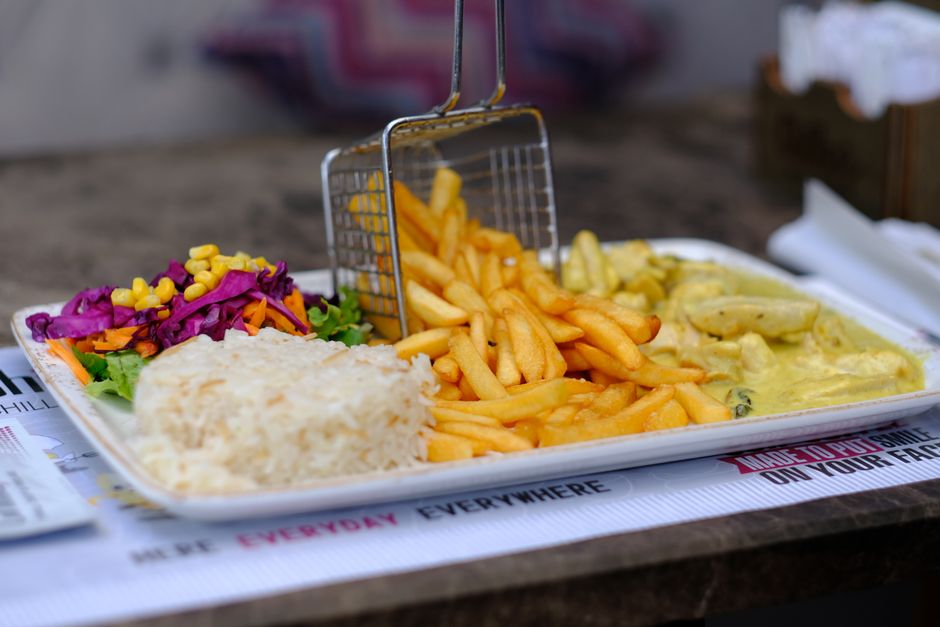
Fried food and bloating are a familiar pair. The reason is mostly mechanical and chemical, not mysterious. High-fat meals slow the stomach down, which delays emptying and lets gas build up. Fried foods also often carry a lot of salt, and many are coated in batter or breading that can ferment in the gut. Together, these effects produce that heavy, swollen, gassy feeling within an hour or two of eating.
Why Fried Food Causes Bloating: The Core Mechanism
Fat is the slowest macronutrient to leave the stomach. When you eat something fried, the fat content signals the stomach to slow its emptying so the fat can be broken down properly. That slowdown is normal and useful. But it also means food sits in the stomach longer, and as it sits, gas accumulates.
The small intestine also responds to fat. Fat triggers a reflex that relaxes the stomach and reduces the normal forward push of digestion. This is a well-established part of how the gut handles a fatty meal. The practical result is a stomach that feels full, distended, and uncomfortable.
Fried food adds a second layer. Many fried foods are high in sodium, and sodium pulls water into the digestive tract and tissues. That fluid shift can make the belly feel puffy. It is not fat gain or true swelling in the medical sense. It is water retention, and it usually settles within a day or two once sodium intake drops.
Does the Type of Oil or Breading Matter?
The oil and the coating both change how the meal behaves in your gut. Oils that are reused or heated to very high temperatures break down into compounds that can irritate the stomach lining. This is one reason fried food from a restaurant with old fryer oil may bother you more than food fried at home in fresh oil.
Breading and batter matter too. They are usually made from refined flour, which is a fast-digesting carbohydrate. When that starch reaches the colon undigested, gut bacteria ferment it and produce gas. For people with a sensitive gut, that fermentation is a direct cause of bloating.
Some oils are harder on the gut than others. Partially hydrogenated oils, which contain trans fats, are associated with inflammation and can worsen digestive discomfort. Oils high in omega-6 fats may also promote mild inflammation in some people. Olive oil and avocado oil tend to be gentler, though no oil is completely free of this effect.
Why Some People Bloat More Than Others
Not everyone reacts the same way to fried food. Several factors change how much bloating you get from the same meal.
- Gut bacteria balance: People with more gas-producing bacteria in their colon tend to bloat more from fermentable carbohydrates.
- Gallbladder function: The gallbladder releases bile to digest fat. If it is sluggish or has been removed, fat digestion is less efficient and bloating is more likely.
- Existing conditions: Irritable bowel syndrome, small intestinal bacterial overgrowth, and gastroesophageal reflux disease all make fried food harder to tolerate.
- Eating speed: Eating fast means swallowing air, which adds to the gas already present.
- Portion size: A large fried meal delivers more fat and sodium at once than the gut can handle comfortably.
One clarification that matters: bloating and distension are not the same thing. Bloating is the subjective feeling of fullness or pressure. Distension is a measurable increase in abdominal girth. Fried food can cause both, but they are tracked differently in clinical settings.



How to Stop Bloating After Eating Fried Food
If you already ate the fried meal and feel bloated, the goal is to help your gut move things along and reduce gas. These steps are based on general digestive physiology and common clinical guidance.
- Walk, do not lie down. Gentle movement helps the stomach empty and moves gas through the intestines. Lying down slows everything and can make reflux worse.
- Drink water. Plain water helps dilute sodium and supports digestion. Avoid carbonated drinks, which add gas.
- Skip more heavy food for a few hours. Give your stomach time to catch up before adding more fat or fiber.
- Try peppermint or ginger tea. Peppermint has been studied for its antispasmodic effect on gut muscle, and ginger may help speed stomach emptying. Evidence is modest but the risk is low for most people.
- Use simethicone if needed. This over-the-counter gas reliever is widely used. It works by breaking up gas bubbles, though evidence for how well it works is mixed.
What does not help: forcing yourself to burp, drinking more soda, or eating a large meal to “settle” your stomach. These tend to make things worse.
How to Prevent Bloating From Fried Food
Prevention is more reliable than treatment. If fried food consistently bloats you, the most effective change is to reduce how often and how much you eat it. That is not a moral judgment. It is a practical response to how your gut handles fat and sodium.
When you do eat fried food, a few adjustments can lower the impact:
- Eat a smaller portion. A few bites of a fried appetizer affects you less than a full fried platter.
- Pair it with vegetables or a salad. Fiber and water content can help move the meal through, though very high-fiber foods can also cause gas in sensitive people.
- Choose grilled or baked versions when available. This removes most of the added fat and a good share of the sodium.
- Avoid drinking alcohol with fried food. Alcohol relaxes the stomach valve and can worsen reflux and bloating.
- Slow down. Chewing more and eating slower reduces swallowed air.
If you fry at home, use fresh oil and keep the temperature steady. Oil that smokes has already started to break down. Reusing oil multiple times concentrates those breakdown products.
When Bloating Is a Sign of Something Else
Occasional bloating after fried food is common and usually not a concern. But bloating that is persistent, painful, or comes with other symptoms deserves a medical evaluation. The following signs are worth discussing with a doctor:
- Bloating that does not improve after eating stops
- Unintentional weight loss
- Blood in the stool or black stools
- Vomiting, especially if it looks like coffee grounds
- Severe abdominal pain or a belly that is hard and tender
- Bloating that wakes you at night
These can point to conditions that need diagnosis, including gallbladder disease, pancreatitis, celiac disease, or bowel obstruction. None of these should be self-treated with dietary changes alone.
Does Frying Method Change the Bloating Effect?
The cooking method changes how much oil the food absorbs. Deep-frying at the right temperature creates a quick seal on the surface, so the food absorbs less oil than you might expect. Pan-frying and shallow-frying often leave more oil on the surface, which means more fat reaches your gut.
Air frying uses hot circulating air instead of oil. It produces a similar texture with far less added fat. For people who bloat from fried food, air frying is a reasonable middle ground. It is not the same as deep-frying, but it removes most of the fat load that drives the bloating response.
One note on evidence: there is no large clinical trial comparing bloating after deep-fried versus air-fried food. The reasoning here comes from how fat digestion works, not from head-to-head studies. That distinction matters when you decide what to change.
Frequently Asked Questions
Why does fried food cause bloating so quickly?
Fat slows stomach emptying, so food and gas stay in the stomach longer. That delay produces the heavy, swollen feeling within an hour or two of eating.
How long does bloating from fried food usually last?
Most people feel better within a few hours to a day. If bloating lasts longer than a day or two, or keeps returning, it is worth talking to a doctor.
Does drinking water help with bloating from fried food?
Yes, plain water helps dilute sodium and supports normal digestion. Avoid carbonated drinks, which add gas to an already full stomach.
Is air-fried food less likely to cause bloating?
Air frying uses much less oil, so the meal delivers less fat and fewer calories from oil. That generally means less of the slowdown that causes bloating, though no direct clinical trials have compared the two.
