
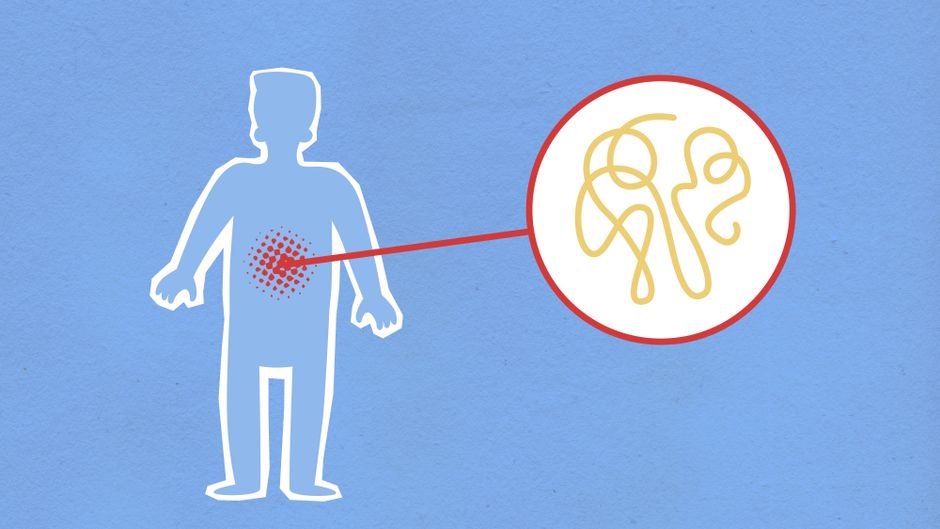
The platypus is one of the few mammals in the world that does not have a true stomach. Instead of a stomach, it has a simple tube that connects its esophagus directly to its intestines. This is not a defect or an accident of evolution; it is the result of millions of years of adaptation to a specific diet and lifestyle. The root cause lies in the animal’s genetics, its evolutionary history, and the way its body processes the food it eats.
What Does It Mean to Not Have a Stomach?
In most mammals, the stomach is a muscular sac that performs two critical jobs. First, it stores food so you can eat a large meal and digest it slowly. Second, it produces strong acids and enzymes that begin breaking down proteins. The stomach’s acidic environment also kills many of the bacteria and other pathogens you swallow with your food.
Platypuses lack this entire organ. Their esophagus connects directly to a structure called the intestine. There is no pouch, no acid-producing gland, and no storage area. This condition is technically known as agastria, which simply means “without a stomach.”
This is not unique to the platypus. The echidna, which is the platypus’s closest living relative, also lacks a stomach. So do several species of fish, such as the chimaera and the lungfish, as well as some other vertebrates. This tells researchers that losing a stomach has happened multiple times in evolutionary history, and it is not a one-off mistake.
Why Dont Platypuses Have A Stomach? Root Causes in Genetics
The most direct answer to why platypuses lack a stomach comes from their DNA. Researchers have identified that the platypus genome simply does not contain the genes needed to build a stomach. Specifically, it lacks the gene that codes for the production of gastric acid, and it lacks the gene for an enzyme called pepsinogen, which is necessary to digest protein in the stomach.
These genes are present in nearly all other vertebrates. In the platypus, they have been permanently deactivated or deleted through the process of evolution. This is not a random loss. The genes were lost because they were no longer necessary for the animal’s survival. Over millions of years, natural selection allowed these genes to degrade because the platypus did not need them.
This genetic loss is the root cause that explains everything else. Without the genes to produce stomach acid and digestive enzymes, there is no reason for the body to build a stomach. The body simply stops developing the organ during embryonic growth.
The Evolutionary Reason: Diet and Teeth
Genetic changes do not happen in a vacuum. The loss of the stomach genes in the platypus is closely tied to what the animal eats and how it eats it.
Platypuses are semi-aquatic hunters. They dive into rivers and streams and forage along the bottom for food. Their diet consists almost entirely of small invertebrates, such as insect larvae, worms, and freshwater shrimp. These prey animals are soft-bodied and have little structural protein that requires harsh digestion.
An adult platypus has no teeth. Instead, it has horny pads in its jaws that crush and grind food. This mechanical grinding breaks the food into small pieces before it ever reaches the digestive tract. Because the food is already crushed and soft, the body does not need a strong acid bath to break it down further.
Some research suggests that the platypus’s diet is low in calcium, which may have contributed to the loss of bones and teeth in its evolutionary past. The loss of teeth and the loss of the stomach appear to have happened together. When an animal does not need to digest large bones or tough tissue, the stomach becomes less important, and the genes that build it are no longer preserved by natural selection.





How Digestion Works Without a Stomach
If a platypus has no stomach, where does digestion happen? The answer is in the intestines. The platypus’s intestine is longer and more developed than that of many other mammals of similar size. This gives the animal more surface area to absorb nutrients.
Digestion in a stomachless animal relies on enzymes produced by the pancreas and the intestinal lining itself. These enzymes break down proteins, fats, and carbohydrates, just at a slower rate and without the initial acid phase. The process is less efficient than stomach-based digestion, but it is adequate for the platypus’s soft, protein-rich diet.
There is a trade-off. Without a stomach, the platypus cannot store large meals. It must eat more frequently. It also cannot rely on stomach acid to kill bacteria in its food. To compensate, the platypus has a well-developed immune system and appears to have other mechanisms in its intestines to handle pathogens. The exact details of how it manages food safety without stomach acid are still being studied.
What the Platypus Teaches Us About Evolution
The platypus is often described as a “living fossil” because it has many traits that seem ancient or unusual. It lays eggs, has a beak like a duck, and has venomous spurs on its hind legs. The lack of a stomach is another one of these unusual traits, but it is not a primitive feature.
Evolutionary biologists point out that the platypus’s ancestors likely had a stomach. The loss of the stomach is a derived trait, meaning it evolved later. This is a clear example of how evolution does not always add complexity. Sometimes it removes structures that are no longer useful.
This pattern is called regressive evolution. It happens when a structure becomes costly to maintain but provides no survival benefit. In the platypus, the stomach became unnecessary, so the genes that built it were lost. The same thing has happened in other animals, such as the loss of eyes in cave-dwelling fish and the loss of legs in some snake species.
Understanding the platypus helps researchers understand how genes and environment interact. It shows that a major organ can be lost entirely when the environment no longer demands it. It also shows that animals can thrive with a body plan that is very different from the standard mammalian model.
Is the Platypus at a Disadvantage?
It is tempting to think that losing a stomach would make an animal weaker or less capable. But the platypus has survived for millions of years, and it is not endangered. It is a successful predator in its niche.
There is no evidence that the platypus is disadvantaged by lacking a stomach. It grows, reproduces, and hunts effectively. The digestive system it has is fully sufficient for its needs. The loss of the stomach is not a weakness; it is an adaptation.
This is an important point for anyone learning about biology. Evolution does not produce perfect organisms. It produces organisms that are good enough to survive and reproduce in their specific environment. The platypus is a prime example of this principle. It is not missing a vital organ. It simply evolved a different way to achieve the same result.
Frequently Asked Questions
Do all monotremes lack a stomach?
Yes, all living monotremes — the platypus and the echidna — lack a true stomach. This is a shared trait that they inherited from a common ancestor.
Can a human survive without a stomach?
Yes, humans can survive without a stomach after a total gastrectomy, which is a surgical procedure to remove the organ. The esophagus is connected directly to the small intestine, and digestion continues in the intestines.
How does the platypus digest food without acid?
The platypus relies on enzymes from its pancreas and intestinal lining to break down food. Its food is soft and crushed by horny pads in its jaws, so it does not need the harsh acid environment of a stomach.
