
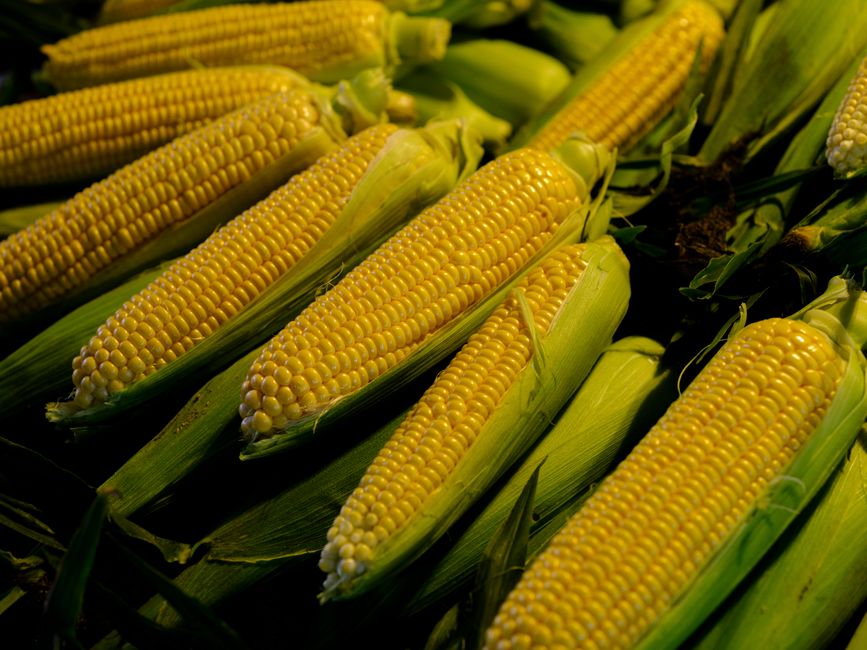
You finish a meal with corn on the cob, and hours later you see it again — nearly unchanged. It is a common and unsettling experience. The truth is simple: your body cannot fully digest corn because of its tough outer shell. That shell is made of cellulose, a fiber your digestive system does not have the enzymes to break down. The inside of the kernel gets digested, but the outer casing often passes through your system intact.
Why Does Corn Pass Through Undigested?
Corn kernels have a protective outer layer called the pericarp. This shell is made mostly of cellulose, hemicellulose, and lignin. Humans lack the enzyme cellulase, which is required to break cellulose down into absorbable sugars.
Some animals — like cows, horses, and termites — can digest cellulose because they host specific bacteria in their guts that produce cellulase. Humans do not host those bacteria in the right parts of the digestive tract. So the outer shell of the corn kernel travels from your mouth to your colon essentially unchanged.
Your body still gets nutrients from corn. Digestive juices and enzymes can reach the softer interior of the kernel once the shell is cracked or chewed. The starch inside is digestible and provides carbohydrates, some protein, and small amounts of vitamins. But the shell itself resists digestion.
Why Doesn’t Corn Digest Even When Chewed Well?
Chewing helps. The more you chew, the more kernels you crush, and the more interior starch your body can access. But even thorough chewing does not guarantee complete digestion.
Whole kernels that escape your teeth remain sealed. The pericarp is tough and resilient. It is designed to protect the seed through an animal’s digestive tract — that is actually how corn spreads in nature. The seed survives the journey and gets deposited elsewhere, ready to grow.
So the presence of whole kernels in your stool is not a sign that something is wrong. It is a sign that some kernels survived your chewing and your digestive enzymes could not penetrate their shells.
Is Seeing Whole Corn in Stool Normal?
Yes. Seeing undigested corn in your stool is normal and common. It is not a cause for concern on its own.
Most people notice it within 12 to 48 hours after eating corn. That timing is normal — it reflects your individual transit time, which is how long food takes to move through your digestive tract. Transit times vary widely from person to person.
If you see undigested corn occasionally, there is no reason to worry. It becomes more relevant if you notice it frequently alongside other symptoms like diarrhea, weight loss, or abdominal pain. In that case, the issue may not be the corn itself but how quickly or incompletely your digestive system is processing food.




What Other Foods Pass Through Undigested?
Corn is not the only food that resists digestion. Several plant foods contain components that survive the digestive process.
- Seeds like sesame, flax, and chia have tough outer coats that can pass through intact.
- Nuts — especially when not chewed thoroughly — can appear in stool.
- Popcorn kernels are the same corn pericarp and behave the same way.
- Bell pepper skins and tomato skins contain cellulose and can pass through.
- Leafy greens like kale and spinach contain fiber that resists digestion.
- Beans and lentils contain complex carbohydrates that may cause gas and can appear partially digested.
These foods are not harmful because they pass through. In fact, the fiber they provide is beneficial for gut health. Fiber adds bulk to stool, helps regulate bowel movements, and feeds the beneficial bacteria in your colon.
Does Corn Offer Any Nutritional Value If It Doesn’t Fully Digest?
Yes. Undigested corn is not wasted nutrition. Your body absorbs what it can from the kernels you chew well, and the fiber from the shells still provides benefits.
A half-cup serving of cooked sweet corn contains about 2 grams of fiber. That fiber does not get digested, but it does feed your gut bacteria. When gut bacteria ferment fiber, they produce short-chain fatty acids like butyrate, which support colon health.
Corn also provides B vitamins, magnesium, and antioxidants called carotenoids — specifically lutein and zeaxanthin, which are important for eye health. These nutrients are absorbed from the digestible parts of the kernel.
So while the shell passes through, the nutritional value is not entirely lost. You are getting real benefit from the parts your body can process and from the fiber that feeds your microbiome.
Can You Improve Corn Digestion?
You cannot make your body produce cellulase. But you can change how you prepare and eat corn to improve nutrient absorption.
Chew more thoroughly. The single most effective step is chewing corn until the kernels are crushed before swallowing. This breaks the pericarp and exposes the starch inside to your digestive enzymes.
Choose corn products that are processed differently. Cornmeal, corn flour, polenta, and masa harina have the pericarp removed or ground down during processing. These forms are much more digestible than whole kernels.
Cook corn longer. Heat softens the pericarp. Canned corn and creamed corn are processed in ways that break down the shell more than fresh corn on the cob.
Consider nixtamalization. This is the traditional process of soaking corn in an alkaline solution, used to make masa for tortillas. It removes the pericarp and improves the availability of niacin, a B vitamin that is otherwise bound in corn and not easily absorbed.
None of these steps will make corn fully digestible. They simply increase the amount of nutrient your body can access.
When Should You Be Concerned About Undigested Food in Stool?
Seeing undigested corn is not a problem by itself. But it can be a clue worth paying attention to in certain situations.
If you frequently see undigested food — not just corn but many foods — along with diarrhea, greasy stools, bloating, or unintended weight loss, it may indicate a condition affecting nutrient absorption. Conditions like celiac disease, Crohn’s disease, exocrine pancreatic insufficiency, or rapid gastric emptying can cause food to move through too quickly for proper digestion.
Do not self-diagnose based on undigested corn alone. The occasional appearance of corn in stool is expected. Persistent digestive symptoms warrant a conversation with a healthcare provider who can evaluate your overall digestive health.
If you have a condition that affects digestion — such as inflammatory bowel disease, short bowel syndrome, or a history of bowel surgery — you may tolerate corn poorly. Some clinicians recommend limiting high-fiber, hard-to-digest foods during active flares. This is not a universal rule, and individual tolerance varies.
Is There a Difference Between Sweet Corn and Field Corn?
Sweet corn is what you buy fresh, frozen, or canned for eating. Field corn is used for animal feed, ethanol, and processed food ingredients. Both have the same cellulose-based pericarp and both resist digestion in the same way.
The difference is in sugar content. Sweet corn has higher sugar and lower starch than field corn. That affects taste and calorie content, but not digestibility of the shell.
Popcorn is a specific variety of corn. When it pops, the pericarp ruptures, which makes the popped portion more accessible. But unpopped kernels — the “old maids” at the bottom of the bowl — behave exactly like whole corn kernels and will pass through undigested.
Frequently Asked Questions
Why does corn come out whole in my stool?
Corn has a tough outer shell made of cellulose that your body cannot break down because you lack the enzyme cellulase. Whole kernels that are not chewed well pass through your digestive tract intact.
Is it bad that I don’t digest corn?
No, it is normal. The fiber from corn shells is not digestible by humans, and seeing some kernels in your stool is expected and harmless.
How long does corn take to digest?
Corn that is not fully digested typically passes through in 12 to 48 hours. Your individual transit time determines exactly when you see it.
Does chewing corn more help with digestion?
Yes. Chewing crushes the outer shell and exposes the digestible starch inside, allowing your body to absorb more nutrients from the kernel.
Is corn a good source of fiber if it doesn’t digest?
Yes. The indigestible fiber in corn feeds beneficial gut bacteria and adds bulk to stool, which supports digestive health even though it is not absorbed.
