
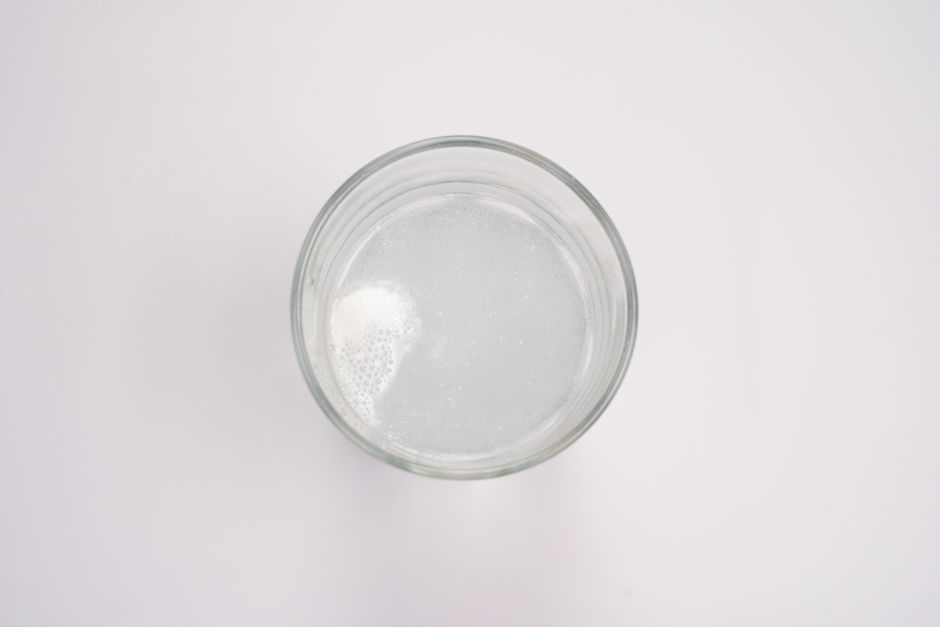
Noticing bubbles in your urine can be unsettling, but it is often harmless. The most common cause is simple: the physical force of urinating into water creates foam. However, persistent or excessive bubbling can sometimes signal an underlying health issue, most notably protein in the urine. This article explains the difference between normal bubbles and those that may require medical attention.
What Causes Bubbles in Urine?
Bubbles in urine form for two basic reasons: trapped air and dissolved substances. When you urinate, the stream hits the water in the toilet bowl. This action mixes air into the liquid, creating bubbles that disappear quickly.
Urine also contains natural chemicals and waste products. Some of these, like urea and uric acid, can act like mild detergents. They reduce the surface tension of the water, allowing bubbles to form and persist longer. A concentrated urine stream, often from dehydration, will produce more foam because the waste products are more concentrated.
This type of foamy urine is usually a normal event. It is more noticeable in the morning when urine is most concentrated, or after a long period without drinking fluids. The bubbles typically clear within a few minutes.
When Are Bubbles a Sign of Protein in the Urine?
Protein in the urine, known medically as proteinuria, is the main medical concern linked to foamy urine. Healthy kidneys filter waste from the blood while keeping large molecules, like protein, inside the bloodstream. When the kidneys’ filters are damaged, protein can leak into the urine.
Protein acts as a strong foaming agent. Urine with significant protein will produce a dense, persistent foam that looks similar to the head on a glass of beer. This foam does not dissipate quickly. It can remain for several minutes after flushing.
Transient proteinuria is common. Strenuous exercise, fever, stress, and dehydration can all cause a temporary increase in protein in the urine. This is generally not a cause for concern and resolves on its own. Persistent proteinuria, however, can be an early sign of kidney disease.
What Health Conditions Are Linked to Foamy Urine?
Several conditions can cause protein to appear in the urine. The most significant is chronic kidney disease. Damage to the glomeruli, the tiny filtering units in the kidneys, allows protein to pass through. Diabetes and high blood pressure are the two leading causes of this type of kidney damage.
Other conditions that can cause proteinuria include:
- Urinary tract infections
- Kidney infections
- Autoimmune diseases like lupus
- Amyloidosis, a rare buildup of abnormal protein in organs
- Certain medications that are toxic to the kidneys
Foamy urine alone does not confirm any of these diagnoses. In most cases, the cause is benign. A urine test is the only reliable way to determine if protein is actually present.





How Is Protein in the Urine Diagnosed?
A simple test called a urinalysis is the first step. You provide a urine sample, and a lab checks it for protein, blood, and other markers. The test can be done in a doctor’s office or at a lab.
If protein is found, your doctor may order a follow-up test. This is often a 24-hour urine collection, where you save all urine produced in a day. A single urine sample can also be compared to a creatinine level, which measures how concentrated the urine is. This gives a more accurate estimate of protein loss.
Your doctor will also check your blood pressure and may order blood tests to assess kidney function. These tests measure levels of creatinine and blood urea nitrogen. Elevated levels can indicate the kidneys are not filtering waste effectively.
Why Does Your Urine Have Bubbles? Other Contributing Factors
Besides protein, other factors can make urine appear foamy. Some of these are benign, and some require attention.
Chemical exposure: Cleaning products in the toilet bowl can react with urine and create foam. This is more common in toilets cleaned with strong detergents. Flushing before urinating can help rule out this cause.
Semen in the urine: Retrograde ejaculation occurs when semen enters the bladder instead of exiting through the penis. This can make urine appear cloudy and foamy. It is not dangerous but can be a side effect of certain medications or prostate surgery.
Rapid urination: A fast, forceful stream is more likely to create bubbles simply due to turbulence. This is more noticeable in men who urinate standing up.
Dehydration: Highly concentrated urine has a darker color and a higher level of dissolved solids. This makes foam more likely to form and persist.
If you are well-hydrated, have no other symptoms, and the foam clears quickly, these benign causes are the most likely explanation.
When Should You See a Doctor About Foamy Urine?
Occasional foamy urine is not a medical emergency. You should pay attention to how often it happens and whether other symptoms are present.
See a doctor if you notice any of the following:
- Foamy urine that persists for several days in a row
- Swelling in your hands, feet, abdomen, or face
- Urine that is pink, red, or brown
- Fatigue or difficulty concentrating
- High blood pressure
- Changes in how often you urinate
Swelling, known as edema, is a key warning sign. It occurs when the body holds onto fluid because protein levels in the blood are low. This combination of foamy urine and swelling should prompt a medical evaluation promptly.
Do not rely on visual inspection alone to diagnose yourself. Many people with significant proteinuria have no visible foam, and many people with heavy foam have no protein in their urine. A lab test is the only accurate way to know.
Can You Prevent Foamy Urine?
You cannot directly control whether your urine has bubbles. The underlying causes, however, can often be managed. Staying well-hydrated is the most practical step. This dilutes the urine and reduces its foaming tendency.
Managing chronic conditions is more important than aiming for clear urine. If you have diabetes, keeping your blood sugar in a healthy range protects your kidneys. If you have high blood pressure, controlling it reduces stress on the kidney filters.
There is no diet that specifically eliminates foamy urine. A balanced diet low in sodium and processed foods supports kidney health overall. Avoiding excessive use of nonsteroidal anti-inflammatory drugs (NSAIDs) like ibuprofen can also protect kidney function over the long term.
For most people, foamy urine is a temporary and harmless occurrence. It becomes a concern only when it is persistent and accompanied by other signs of kidney trouble.
Frequently Asked Questions
Is foamy urine always a sign of kidney disease?
No, foamy urine is usually caused by the physical force of urination or concentrated urine from dehydration. Persistent foam, especially with swelling, warrants a urine test to check for protein.
What does protein in urine look like?
Urine with significant protein has a dense, frothy foam that resembles beer foam and does not clear quickly. A lab test is required to confirm protein is present, as visual appearance alone is not reliable.
Can drinking more water reduce bubbles in urine?
Yes, staying hydrated dilutes the urine and reduces the concentration of waste products that cause foaming. If bubbles persist after increasing fluid intake, medical evaluation is appropriate.
How much protein in urine is normal?
Normal urine contains very small amounts of protein, typically less than 150 milligrams per day. Levels above this threshold indicate proteinuria and require medical investigation to determine the cause.
