
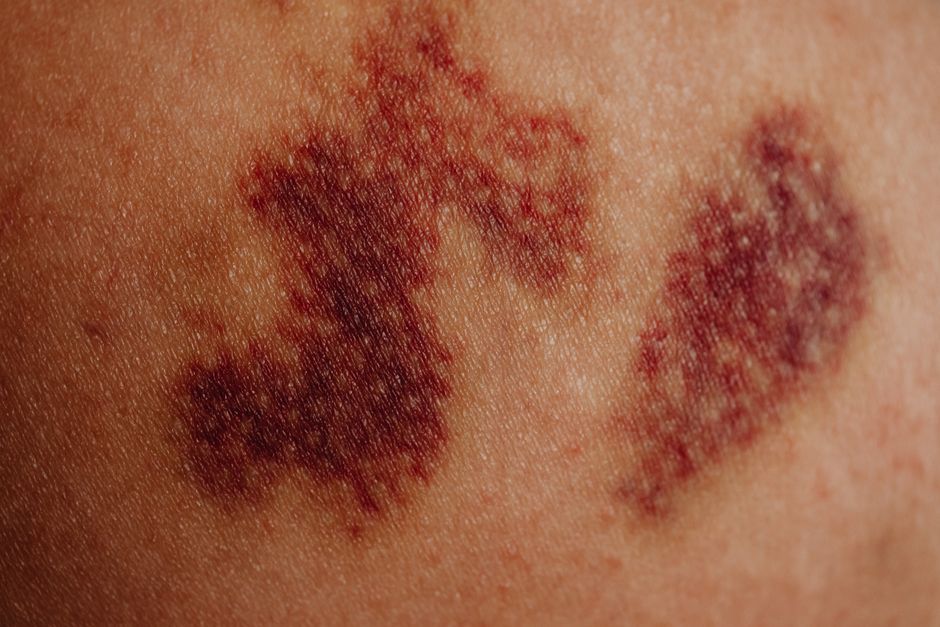
Skin that hurts to touch is a real symptom with real causes, not a sign you are imagining things. It happens when nerve endings in the skin become extra sensitive and send pain signals in response to things that normally feel harmless — a light brush, clothing, or a bedsheet. Doctors call this allodynia when it is caused by a nervous system problem, and it can come from sunburn, infection, migraine, nerve damage, or a condition like fibromyalgia. The right cause matters, because the reason behind the pain decides what helps.
Why Does Your Skin Hurt To Touch?
The short answer is that your pain nerves are firing when they should not. Under normal conditions, light touch travels along fast nerve fibers that register pressure and texture, not pain. When those nerves or the skin around them are irritated or inflamed, the same light touch gets routed into the pain system instead.
This is a signaling problem, not a problem with your skin’s surface. There may be nothing to see — no rash, no cut, no swelling — and the pain is still real. That mismatch between what you feel and what you can see is one of the most confusing parts of the symptom.
Two broad processes drive it. One is inflammation in the skin itself, which makes local nerve endings more sensitive. The other is a change in how the nervous system processes sensation, which can make touch painful across a wider area. Most causes fit into one of these two buckets, and some involve both.
What Causes Skin To Hurt When Touched?
The list of causes is long, but most fall into a few recognizable groups. Matching your other symptoms to a group is often the fastest way to narrow down what is going on.
Skin damage and inflammation
Sunburn is one of the most common causes. Ultraviolet light damages skin cells and triggers inflammation, and the resulting sensitivity can make even a shirt against the skin uncomfortable. The pain typically peaks hours after sun exposure and eases over the following days.
Other skin-level causes include:
- Burns, including minor ones from hot water or cooking
- Contact reactions to plants, metals, or skin products
- Dry, cracked, or irritated skin
- Skin infections such as shingles, which often causes burning or painful skin in a band on one side of the body
With shingles, the pain usually appears before any rash and tends to stay on one side of the body. That pattern is a reason to seek medical care promptly, since early treatment can reduce complications.
Nerve-related causes
When the nerves themselves are damaged or misfiring, touch can become painful without any visible skin problem. This is the allodynia pattern. It shows up in several conditions:
- Migraine. Many people with migraine report skin sensitivity during or just before an attack, often on the head, face, or arms.
- Diabetes-related nerve damage. Long-standing high blood sugar can damage nerves, most often in the feet and hands.
- Postherpetic pain. Nerve pain can linger after a shingles rash clears.
- Nerve compression or injury. A pinched nerve or direct injury can leave an area tender to touch.
Nerve-related skin pain often comes with tingling, numbness, or a burning quality. Those added sensations are a clue that the nervous system, not just the skin surface, is involved.
Central sensitivity conditions
In some conditions, the nervous system becomes more sensitive to sensation in general. Fibromyalgia is the best-known example. People with fibromyalgia often describe widespread tenderness and skin that feels sore to touch, along with fatigue and sleep problems.
This category is genuinely debated in some respects, and diagnosis relies on clinical assessment rather than a single lab test. If you suspect it, that conversation belongs with a clinician who can rule out other causes first.
When Is Skin Pain A Sign Of Something Serious?
Most cases of tender skin are not dangerous, but a few patterns need medical attention quickly. The key is whether the pain comes with signs of a serious underlying problem.
Seek prompt care if you notice:
- A painful band or stripe of skin on one side of the body, especially with a rash — this can be shingles
- Skin pain with fever, spreading redness, or warmth
- Rapidly spreading pain or swelling
- Numbness or weakness in a limb
- Skin pain after a burn that is large, blistering, or very painful
These signs do not confirm a diagnosis on their own. They are reasons to have someone evaluate you rather than wait it out.
How Is Tender Skin Evaluated?
There is no single test for skin that hurts to touch. Evaluation starts with your history — when the pain began, where it is, what makes it worse, and what other symptoms came along with it. That story often points to the cause before any test is ordered.
A clinician may examine the skin and check sensation, reflexes, and strength. Depending on what they find, they may order blood tests, imaging, or nerve studies. In many cases, no testing is needed at all.
One useful distinction: pain that is limited to one small area points more toward a local cause, while pain that is widespread or follows a nerve pattern points more toward a nerve or central cause. That is a general guide, not a rule.
What Helps Skin That Hurts To Touch?
What helps depends entirely on the cause, which is why guessing at treatment is a poor strategy here. Sunburn and minor irritation usually settle with time and gentle skin care. Nerve-related pain often needs a different approach than skin inflammation.
General measures that are reasonable while you sort out the cause:
- Avoid tight clothing and rough fabrics against the sore area
- Use gentle, fragrance-free skin products
- Protect the skin from sun and heat
- Avoid scratching, which can worsen irritation
For pain that is clearly nerve-related, some clinicians recommend medications used for nerve pain rather than standard pain relievers. That is a decision for a clinician, not something to self-treat, because the evidence and appropriate choice vary by condition.
Here is a distinction worth knowing: a cooling gel or lotion may feel soothing on sunburn, but it does nothing for nerve-driven pain. The reverse is also true. Matching the treatment to the mechanism is the whole game.
How Long Does Tender Skin Last?
Duration depends on the cause, and honest timelines are hard to give in general terms. Sunburn sensitivity usually eases within days as the skin heals. Nerve-related pain can last weeks, months, or longer, and sometimes becomes a long-term management issue.
If skin pain is not improving, is spreading, or is coming with new symptoms, that is a reason to check back in with a clinician. Persistent pain is not something to simply endure.
What Does It Mean If Only One Spot Hurts?
A single tender spot usually points to a local cause — a minor injury, an insect bite, a small area of inflammation, or a compressed nerve. Localized pain is generally less concerning than widespread pain with other symptoms, though it still deserves attention if it persists.
Watch for changes in that spot. Spreading redness, increasing pain, or new numbness are signs to have it looked at.
Frequently Asked Questions
Why does my skin hurt to touch but there is no rash?
Nerve-related causes such as migraine, nerve damage, or fibromyalgia can make skin painful to touch without any visible rash. The absence of a rash does not mean the pain is not real.
What condition causes skin to hurt when touched?
Several conditions can do this, including sunburn, shingles, diabetes-related nerve damage, migraine, and fibromyalgia. The pattern of where and how the pain occurs helps narrow it down.
Should I see a doctor if my skin hurts to touch?
See a clinician if the pain is widespread, comes with fever or a rash, follows a band on one side of the body, or does not improve. Mild sunburn sensitivity usually does not need medical care.
Can stress make your skin hurt to touch?
Stress can worsen many pain conditions and is linked to flare-ups in people who already have sensitive nervous systems. It is rarely the sole cause of new skin pain.
