
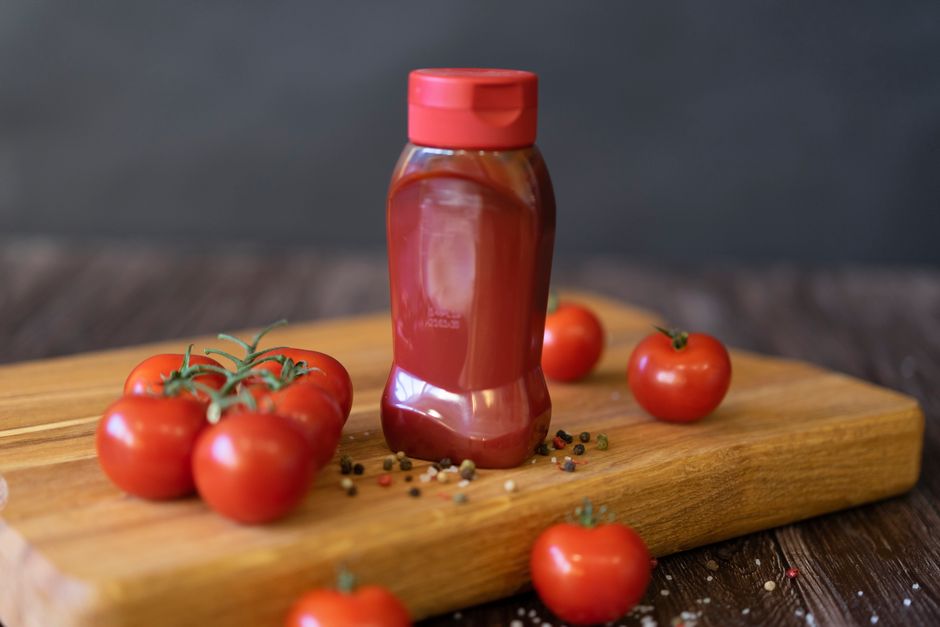
Tomato sauce is a staple in many kitchens. It goes on pasta, pizza, and countless other dishes. But for some people, a meal with tomato sauce ends with an urgent trip to the bathroom. This is not rare, and it is not in your head. The most common reason is the natural acidity of tomatoes combined with the high sugar and fat content often found in prepared sauces. These factors can speed up digestion and irritate the gut, especially in people with sensitive stomachs or underlying conditions like IBS.
Why Does Tomato Sauce Give Me Diarrhea?
The short answer is that tomato sauce is acidic, and acids can irritate the lining of the digestive tract. This irritation can stimulate the gut to move contents along faster than normal. When food moves too quickly through the colon, the body does not have enough time to absorb water. The result is loose or watery stool.
Tomatoes also contain compounds called fructans and salicylates. Fructans are a type of carbohydrate that some people cannot digest fully. Salicylates are natural chemicals that act similarly to aspirin. Both can trigger digestive distress in sensitive individuals. For most people, a normal serving of tomato sauce is fine. For others, even a small amount can trigger symptoms.
What Is in Tomato Sauce That Causes Problems?
Tomato sauce is not just tomatoes. Commercial sauces often contain added sugar, garlic, onion, and vegetable oil. Each of these ingredients can be a trigger for diarrhea on its own.
Garlic and onion are high in fructans. These are fermentable carbohydrates that draw water into the bowel and produce gas. If you have irritable bowel syndrome (IBS), you are more likely to react to these foods. A low-FODMAP diet, which is often used to manage IBS, restricts both garlic and onion.
Added sugar can also cause problems. Many jarred sauces contain several teaspoons of sugar per serving. Sugar that is not fully absorbed in the small intestine pulls water into the gut. This is the same mechanism behind diarrhea from sugar-free candies, though sugar itself can do this in people with malabsorption issues.
Fat is another factor. Fried foods and fatty sauces slow stomach emptying at first but can later stimulate the colon. This is called the gastrocolic reflex. A high-fat meal can produce a strong urge to have a bowel movement shortly after eating.
Is It the Acid or Something Else?
Acid is the most obvious suspect, but it may not be the real cause for everyone. Stomach acid is far stronger than the acid in tomatoes. The stomach handles tomato acid without trouble in most people. The issue is what happens after the stomach.
In some people, tomato acid triggers the release of certain chemicals in the gut that increase motility. This means the intestines contract more frequently and more forcefully. Faster contractions mean less time for water absorption, which leads to diarrhea.
For people with a condition called bile acid malabsorption, fatty foods are the problem. The body fails to reabsorb bile acids properly, and these acids irritate the colon. Tomato sauce with cheese or meat is a common trigger for this group.
There is also a condition called oral allergy syndrome, which can cause gut symptoms after eating raw tomatoes. However, cooking tomatoes usually breaks down the proteins responsible for this reaction, so it is less likely with sauce.





What Is the Difference Between an Intolerance and an Allergy?
A true tomato allergy is rare. It involves the immune system and can cause hives, swelling, or trouble breathing. Diarrhea alone is not a typical sign of a food allergy.
An intolerance is different. It does not involve the immune system. It means your digestive system has trouble processing a specific food or compound. Tomato intolerance can cause bloating, cramps, and diarrhea. It is not dangerous, but it is uncomfortable.
If you only react to tomato sauce but not to raw tomatoes, the trigger may not be the tomato itself. It could be the garlic, onion, sugar, or preservatives in the sauce. Many people who react to jarred sauce do fine with homemade sauce made from plain crushed tomatoes.
Can Tomato Sauce Trigger IBS Symptoms?
Yes. People with IBS often react to multiple foods at once. Tomato sauce is a combination food. It contains acid, fat, sugar, and fermentable carbohydrates. Each of these can be a trigger, and together they can be a strong one.
The gastrocolic reflex is stronger in people with IBS. This reflex is a normal response where eating stimulates colon activity. In IBS, this reflex can be exaggerated. A meal with tomato sauce can therefore cause an urgent bowel movement within 30 minutes of eating.
If you have IBS and tomato sauce bothers you, it may not be the tomato. It may be the overall meal pattern. A heavy pasta dish with garlic bread and cheese is high in fat, refined carbs, and fermentable foods. Any one of these could be the culprit.
What Can You Do If Tomato Sauce Gives You Diarrhea?
The first step is to figure out which ingredient is causing the problem. Start with plain tomato sauce. Make a simple sauce from crushed tomatoes, salt, and a small amount of olive oil. If this does not cause diarrhea, the trigger is likely garlic, onion, or sugar in commercial sauces.
If plain tomato sauce still bothers you, consider the acid angle. Some people find that adding a pinch of baking soda to neutralize the acid helps. This changes the pH of the sauce and can make it easier on the gut. This is a common home practice, but no clinical studies have confirmed it works for diarrhea.
Another option is to eat smaller portions. A large serving of tomato sauce is more likely to trigger symptoms than a small one. You can also try pairing tomato sauce with bland foods like plain rice or bread, which can slow digestion and absorb excess fluid.
Over-the-counter anti-diarrheal medications like loperamide can help in the moment, but they do not solve the underlying issue. If you need these regularly, it is worth investigating the cause with a doctor.
When Should You See a Doctor?
Occasional diarrhea after a heavy meal is not usually a concern. But you should see a doctor if the problem is frequent, severe, or getting worse. You should also seek medical advice if you notice blood in your stool, unexplained weight loss, or diarrhea that wakes you from sleep.
These symptoms can point to conditions beyond food intolerance. Celiac disease, inflammatory bowel disease, and microscopic colitis can all cause diarrhea after eating. A doctor can run tests to rule these out.
Keep a food diary for two weeks before your appointment. Write down what you ate, when you ate it, and when symptoms started. This information helps your doctor identify patterns and decide which tests are worth doing.
Frequently Asked Questions
Why does tomato sauce cause diarrhea but raw tomatoes do not?
Commercial tomato sauce often contains garlic, onion, sugar, and oil, which are common diarrhea triggers. The cooking process also concentrates the natural acids and sugars in tomatoes, which can make the sauce harder on the gut than raw tomatoes.
Is tomato sauce a laxative?
Tomato sauce is not classified as a laxative, but it can stimulate bowel movements in sensitive people. The combination of acid, fat, and fermentable carbohydrates can speed up digestion and produce loose stool.
Can I eat tomato sauce if I have IBS?
Some people with IBS can handle small amounts of tomato sauce, while others cannot. Plain crushed tomatoes are lower in FODMAPs than jarred sauces that contain garlic and onion, so a simple homemade sauce may be better tolerated.
Does cooking tomatoes make them easier to digest?
Cooking breaks down some proteins and fibers in tomatoes, which can make them easier to digest for some people. However, cooking also concentrates acidity and natural sugars, which can make symptoms worse for others.
