
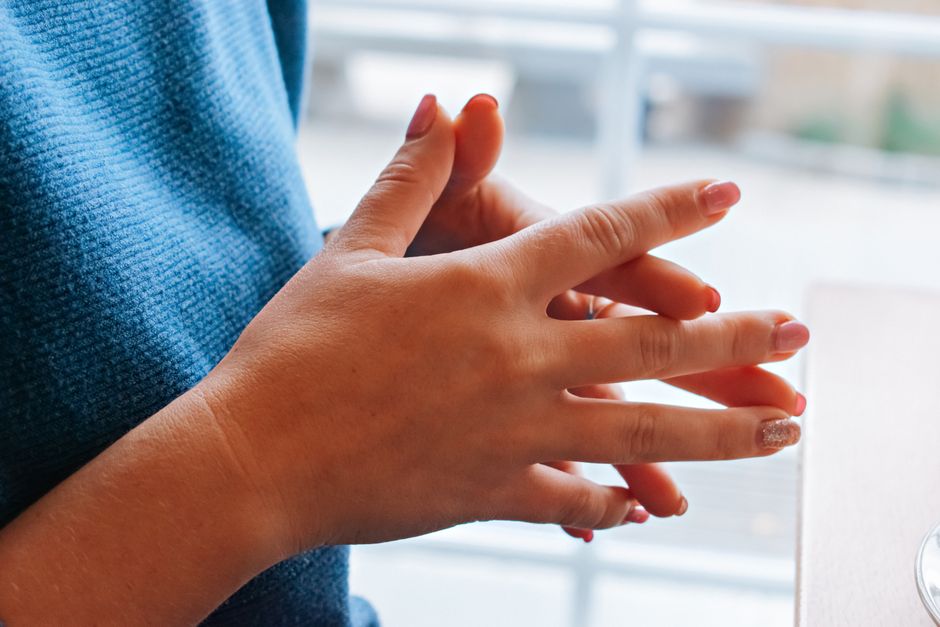
Peeling skin around the fingernails is usually caused by dryness, repeated hand washing, harsh soaps, or physical damage from picking and biting. The medical name for this skin is the nail fold, and it is thinner and more fragile than the skin on the rest of your hand. That thinness is why it peels so easily — and why the fix is usually about protecting it, not treating a disease.
Sometimes, though, peeling nail folds point to something more specific: eczema, a fungal infection, psoriasis, or a nutrient deficiency. The pattern and location of the peeling often tell you which one you are dealing with.
What Is the Skin Around Your Nails Called?
The skin bordering each nail is called the nail fold. The strip at the base of the nail, where the visible nail meets the skin, is the proximal nail fold. The thin, transparent layer that seals the base of the nail is the cuticle.
This skin is structurally different from the skin on your palm or forearm. It has less protective fat beneath it and a thinner outer layer. It also bends and stretches every time you flex your fingers. That combination makes it more vulnerable to drying out and cracking than almost any other skin on your body.
The cuticle gets a bad reputation. Many people believe it should be pushed back or cut away during a manicure. In reality, the cuticle forms a physical seal that keeps water, bacteria, and fungi from getting under the nail. Removing it opens a path for infection. This is one of the more useful facts to know if you get regular manicures — the cuticle is doing a job, not just sitting there.
Why Does the Skin Around My Fingernails Peel?
The most common cause is simple moisture loss. Skin needs water and oil to stay flexible. When the nail folds lose both, the outer layer separates and flakes off.
Several everyday habits drive that process:
- Frequent hand washing or hand sanitizer use, which strips oils
- Washing dishes or cleaning without gloves
- Cold, dry air in winter or from indoor heating
- Picking, biting, or chewing at the skin
- Harsh soaps, detergents, or acetone nail polish remover
- Poor fluid intake
Physical damage matters as much as chemistry. If you pick at a hangnail, you tear living skin, and the tear invites more peeling. This becomes a loop: peeling causes irritation, irritation causes more picking.
There is also a genetic factor. Some people simply have drier skin or a skin barrier that loses water more quickly. If your parents had the same habit of peeling nail folds, that is not a coincidence.
When Is Peeling a Sign of Something More?
Occasional peeling is normal. Peeling that keeps coming back, spreads to several fingers, or comes with redness, swelling, or pain deserves a closer look.
A few conditions commonly show up this way:
- Hand eczema (dermatitis). Causes dry, itchy, cracked skin, often on the fingers and nail folds. Flare-ups are triggered by irritants or allergens.
- Psoriasis. Can affect the nails and surrounding skin, sometimes causing pitting, separation, or crumbling of the nail itself.
- Fungal infection. Usually starts at the nail edge or under the nail and can spread to nearby skin. The nail often looks thick, yellow, or discolored.
- Paronychia. An infection of the nail fold, often from bacteria entering through a break in the skin. It causes redness, swelling, and tenderness.
- Nutrient deficiencies. Low levels of certain vitamins and minerals, including iron, zinc, and B vitamins, can affect skin and nail health. This is less common than the everyday causes above.
The location gives clues. Peeling that affects only the nail folds and fingertips points more toward irritation or eczema. Peeling tied to a thickened, discolored nail points more toward fungus or psoriasis. A single swollen, painful finger points toward infection.
None of these can be diagnosed from appearance alone with certainty. A doctor or dermatologist can tell the difference, and the treatments are completely different — an antifungal does nothing for eczema, and a steroid cream does nothing for a fungus.




Can Dry Skin and Weather Cause Nail Fold Peeling?
Yes, and this is the single most common reason. Dry air pulls moisture out of skin. When humidity drops — in winter, in air-conditioned rooms, or in heated homes — the nail folds are among the first places to show it.
Cold weather adds a second problem. Blood flow to the fingers decreases in the cold, which means less oil and moisture reach the skin there. That is why so many people notice peeling starting in late fall and lasting through winter.
Frequent hand washing compounds the effect. Water briefly hydrates skin, but as it evaporates it takes some of the skin’s natural oils with it. Washing many times a day, especially with hot water or harsh soap, leaves the nail folds drier than before you washed.
How Do You Stop the Skin Around Your Nails From Peeling?
For everyday dryness, the fix is consistent moisture and less irritation. This is not complicated, but it does require doing it regularly rather than once.
What generally helps:
- Moisturize after every hand wash and before bed. Thick creams or ointments hold water in better than thin lotions.
- Use lukewarm water instead of hot.
- Wear gloves for dishes, cleaning, and any wet work.
- Keep nails trimmed and smooth so they do not catch on things.
- Stop picking or biting. This is the hardest step and often the most important.
- Use a humidifier in dry rooms.
What generally does not help: cutting or tearing off hangnails instead of trimming them with clean clippers, and applying products that contain alcohol or fragrance, which can irritate already damaged skin.
If the peeling does not improve after a few weeks of consistent care, or if it comes with redness, swelling, pus, or pain, see a doctor. Those signs suggest infection or an underlying skin condition that needs proper treatment. Do not try to treat a possible infection at home with over-the-counter creams without knowing what you are dealing with.
Does Diet Affect the Skin Around Your Nails?
Severe nutrient deficiencies can affect skin and nails, but diet is a less common cause of nail fold peeling than most people assume. If you eat a varied diet, a deficiency is unlikely to be the reason.
Nutrients that play a role in skin health include:
- Zinc
- Iron
- B vitamins, including biotin
- Vitamin C
- Protein and essential fatty acids
Biotin deserves a specific note. It is heavily marketed for hair, skin, and nails, and it does have a role in the body. However, in people who are not deficient, there is little evidence that biotin supplements improve nail or skin health. Taking high doses without a diagnosed deficiency is not supported by strong evidence, and biotin can interfere with certain lab tests, including some thyroid and cardiac tests. That interaction is worth knowing before you start a supplement.
If you suspect a deficiency, a blood test can confirm it. Guessing and supplementing is not a reliable approach.
When Should You See a Doctor About Peeling Nail Folds?
Most peeling nail folds are a nuisance, not a medical problem. Certain signs change that.
See a doctor if you notice:
- Redness, swelling, warmth, or pain around the nail
- Pus or a blister
- A nail that is thickening, changing color, or separating from the nail bed
- Peeling that spreads or worsens despite good skin care
- Peeling along with a rash elsewhere on the body
- Symptoms in a person with diabetes or a weakened immune system
People with diabetes should pay particular attention to any finger or toe infection. High blood sugar can slow healing and make infections more serious. The same applies to anyone with a condition that affects immune function.
A doctor can usually tell the difference between the common causes during an exam. In some cases, they may scrape a small sample of skin or nail for testing.
Frequently Asked Questions
Why does the skin around my fingernails keep peeling?
It usually keeps peeling because the underlying cause — dryness, frequent washing, or picking — is still happening. Fixing the habit matters more than any single product.
Is peeling skin around nails a vitamin deficiency?
Rarely. Deficiency is possible but uncommon, and everyday dryness or irritation is a far more likely cause. A blood test is the only way to know for sure.
What does peeling skin around nails mean if it is only on one finger?
Peeling on a single finger often points to local irritation, injury, or an infection like paronychia. Redness, swelling, or pain on one finger should be checked by a doctor.
Can I stop the skin around my nails from peeling?
In most cases, yes, by moisturizing regularly, avoiding harsh soaps, wearing gloves for wet work, and not picking at the skin. If it persists despite these steps, see a doctor to rule out eczema, psoriasis, or infection.
