
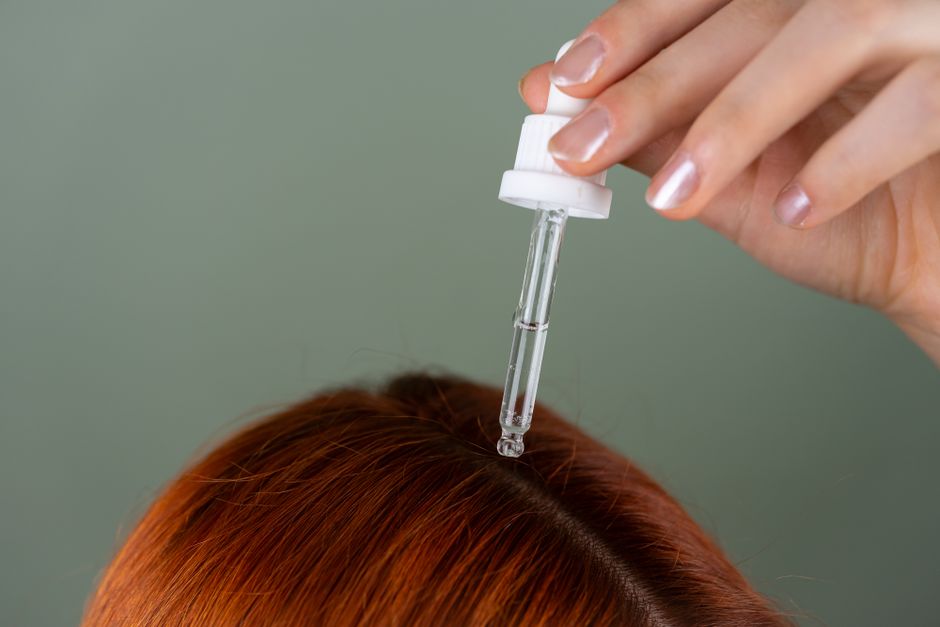
A sore scalp right at the hair root is usually a signal from the scalp itself, not the hair. Hair has no nerve endings, so the pain you feel comes from the skin, the tiny muscles around each follicle, or the nerves just beneath the surface. The most common culprits are inflammation of the hair follicles, scalp skin conditions, tight hairstyles, and nerve-related scalp pain. Most causes are treatable, but the right answer depends on what is actually driving the discomfort.
Why Does The Root Of My Hair Hurt?
The hair root sits inside a pocket in the skin called the follicle. Each follicle is wrapped in tiny muscles, blood vessels, and nerve fibers. When that area becomes inflamed, irritated, or squeezed, the scalp sends pain signals that feel like they are coming from the hair itself.
There are several distinct reasons this happens, and they do not all work the same way.
- Folliculitis is inflammation or infection of the follicle, often caused by bacteria or fungi. It shows up as small red bumps or pimples on the scalp.
- Scalp skin conditions like seborrheic dermatitis and psoriasis cause inflammation that can make the whole scalp tender.
- Traction from tight ponytails, braids, or hair extensions pulls on the follicle and can cause soreness and, over time, damage.
- Nerve-related scalp pain involves the sensory nerves of the scalp rather than the follicles themselves.
- Sunburn, chemical burns, or allergic reactions to hair dye and other products can inflame the scalp surface.
Because these causes look and feel different, the pattern of your pain matters. Pain in one small spot points toward a local problem like a pimple or cyst. Pain across the whole scalp often points toward a skin condition or a nerve issue.
What Is Scalp Folliculitis And Why Does It Hurt So Much?
Folliculitis is the medical term for inflammation of one or more hair follicles. It is one of the most common reasons a specific spot on the scalp hurts when touched. The follicle becomes swollen, and the surrounding skin becomes tender.
Bacterial folliculitis often appears after sweating, wearing tight hats, or not washing regularly. Fungal folliculitis, sometimes called Malassezia folliculitis, tends to be itchy and can spread across the scalp. The two look similar but respond to different treatments, which is why a doctor’s evaluation matters if it does not clear up on its own.
Mild folliculitis often improves with gentle scalp care and keeping the area clean and dry. If it spreads, forms painful boils, or does not improve, see a doctor. Some cases need prescription medication, and using the wrong product can make it worse.
Can Tight Hairstyles Cause Scalp And Root Pain?
Yes. This is one of the most direct causes of hair root pain, and it is entirely mechanical. When hair is pulled tight, the follicle is stretched, and the tiny muscles and nerves around it are compressed.
The soreness may fade within hours of loosening the style. But repeated pulling over months or years can lead to a condition called traction alopecia, where the follicle is damaged and hair stops growing in that area. Traction alopecia is a well-documented form of hair loss, and it is more common in people who regularly wear tight braids, cornrows, or extensions.
The key point is that pain is a warning. If a hairstyle hurts, the follicle is being stressed. Loosening the style, rotating between styles, and giving the scalp rest days are the standard recommendations. Once traction alopecia is advanced, regrowth is not guaranteed.


What Scalp Conditions Cause Pain At The Hair Root?
Several skin conditions affect the scalp and can make the roots feel sore. Seborrheic dermatitis causes flaking, redness, and itching, and the inflamed skin can be tender. Psoriasis produces thick, scaly patches that may crack and hurt. Both are chronic conditions that come and go.
Contact dermatitis is a reaction to something applied to the scalp. Hair dye, shampoo, and styling products are common triggers. The reaction can cause burning, itching, and soreness, sometimes within hours of use.
Scalp sunburn is easy to overlook. The part line and thinning areas get direct sun, and a burn there can make the whole scalp tender for days.
These conditions are diagnosed by how the scalp looks and, in some cases, by a skin biopsy. Treatment usually involves medicated shampoos, topical treatments, or avoiding the trigger. A doctor or dermatologist can tell them apart, since the treatments differ.
What Is Trichodynia And Nerve-Related Scalp Pain?
Trichodynia is the medical term for scalp pain or burning centered on the hair, often with no visible skin problem. It is a symptom rather than a disease, and it is reported most often by people who are also experiencing hair shedding. The relationship between the two is not fully understood, and researchers continue to study whether one causes the other or whether both share a common trigger.
Nerve-related scalp pain can also come from other sources. Occipital neuralgia involves the nerves at the back of the head and can cause sharp, shooting pain that spreads across the scalp. Shingles affecting the scalp can cause burning pain, usually on one side, sometimes before a rash appears.
These nerve-related causes need medical evaluation. They do not respond to the same treatments as folliculitis or dandruff, and some require prescription medication.
When Should You See A Doctor For Scalp Pain?
See a doctor if the pain is severe, keeps coming back, or comes with hair loss, a spreading rash, open sores, or fever. Those signs point to something that needs diagnosis and possibly prescription treatment.
Also seek care if the pain follows a new hair product, if you notice bald patches, or if over-the-counter dandruff shampoos are not helping after a few weeks of use. A dermatologist can examine the scalp directly and, if needed, take a small sample for testing.
Most scalp pain is not dangerous. But it can be a sign of a condition that gets worse without treatment, especially traction alopecia and some infections. Getting it checked early is reasonable, particularly when hair loss is involved.
How Is Hair Root Pain Treated?
Treatment depends entirely on the cause, which is why guessing can waste time or make things worse. What helps one cause may irritate another.
| Cause | Typical Approach | Notes |
|---|---|---|
| Folliculitis (bacterial) | Gentle cleansing; prescription antibiotics if needed | See a doctor if it spreads or forms boils |
| Folliculitis (fungal) | Antifungal shampoo or medication | Different from bacterial treatment |
| Traction from hairstyles | Loosen styles; rest the scalp | Early change matters most |
| Seborrheic dermatitis | Medicated shampoo | Often needs ongoing management |
| Contact dermatitis | Stop the trigger product | Identify the ingredient |
| Nerve-related pain | Medical evaluation | May need prescription treatment |
For everyday scalp care, washing gently with a mild shampoo, avoiding harsh chemicals, and not scratching can help. Scratching damages the skin and can introduce infection. If the scalp is inflamed, heat and harsh styling tools tend to make it worse.
No single home remedy treats all causes. If you are unsure what is causing the pain, a doctor’s visit is the most reliable path to the right treatment.
Frequently Asked Questions
Why does the root of my hair hurt when I move it?
Moving the hair pulls on the follicle, and if the surrounding skin or follicle is inflamed, that movement triggers pain. This is common with folliculitis, tight hairstyles, and scalp skin conditions.
Can stress cause scalp and hair root pain?
Stress is not a direct cause of follicle inflammation, but it can worsen conditions like seborrheic dermatitis and is commonly reported alongside trichodynia. The evidence linking stress directly to scalp pain is limited.
Does hair root pain mean I am losing my hair?
Not necessarily, but pain with hair shedding or bald patches should be checked by a doctor. Traction alopecia and some scalp conditions can cause permanent hair loss if not addressed early.
How long does scalp pain usually last?
It depends on the cause. Soreness from a tight hairstyle often fades within hours of loosening it, while infections and skin conditions may need treatment and can take longer to resolve.
