
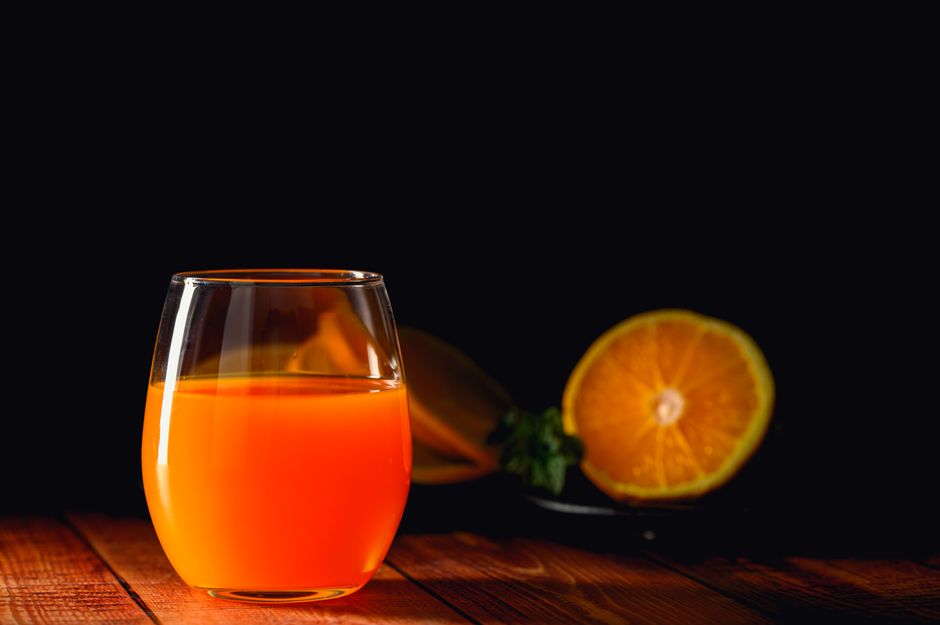
You pour a glass of orange juice, take a sip, and your mouth puckers. That bitter taste is a letdown, especially when you expected something bright and sweet. The bitterness usually comes from the juice itself, how it was processed, or how it has been stored. The good news is that you can often fix it in your own kitchen, and sometimes you can prevent it from happening in the first place.
Why Does Orange Juice Taste Bitter And How To Fix It?
Orange juice turns bitter mainly because of compounds called limonoids and flavonoids. These are natural plant chemicals found in oranges. They are not harmful, but they activate bitter taste receptors on your tongue. The most common culprit is limonin, which forms slowly after the orange is squeezed. Fresh juice tastes sweet at first, but limonin develops over time, making the juice taste increasingly bitter.
The second major cause is processing. Many commercial juices mix in orange peel or pulp during extraction. The peel contains compounds like naringin, which is intensely bitter. Heat also plays a role. Pasteurization, which is necessary for safety and shelf life, can accelerate the formation of bitter compounds. Even the variety of orange matters. Some oranges, like Valencia, are naturally less bitter than others.
Fixing bitter juice depends on the cause. If your juice is fresh but bitter, the oranges themselves may be the issue. If the juice has been sitting in the fridge for a few days, limonin is likely the reason. If it is a store-bought carton, the processing method is probably to blame.
Is Bitter Orange Juice Safe To Drink?
Yes, bitter orange juice is safe to drink. The compounds that cause bitterness are natural and not toxic. Limonin and naringin are found in many citrus fruits and are part of the fruit’s normal chemistry. Some research even suggests these compounds have antioxidant properties, though this is not a reason to drink bitter juice for health benefits.
The bitter taste is a quality issue, not a safety issue. Your juice has not spoiled just because it tastes bitter. Spoilage has a different smell and flavor profile. If the juice smells sour, fermented, or like alcohol, that is a different problem. That indicates microbial growth, and you should discard it. Bitterness alone does not mean the juice has gone bad.
There is one exception to keep in mind. If you are taking certain medications, especially blood pressure drugs or statins, talk to your pharmacist about grapefruit and orange juice interactions. This is not about bitterness specifically. It is about compounds in citrus that affect drug metabolism. This applies to all citrus juice, not just bitter batches.
What Causes Bitterness In Freshly Squeezed Juice?
Freshly squeezed juice can be bitter for several reasons. The most common reason is that you squeezed the white pith along with the flesh. The pith is the spongy white layer between the peel and the fruit segments. It contains high levels of bitter flavonoids. When you use a strong juicer or press too hard, you extract these compounds into the juice.
Another cause is the orange variety itself. Navel oranges are sweet and popular for eating, but their juice turns bitter faster than juice from Valencia oranges. This is because navel oranges contain higher levels of limonin precursors. If you consistently get bitter fresh juice, try switching to Valencia oranges or another juicing variety.
The ripeness of the fruit also matters. Under-ripe oranges have more bitter compounds. Oranges picked too early have not fully developed their sugars, and the bitter chemicals are more concentrated. Letting oranges ripen fully on the tree or on your counter for a few days can reduce bitterness.
Seeds are another source. If you juice oranges with seeds, you may be crushing them. Orange seeds contain bitter compounds that release when broken. Seedless varieties avoid this problem entirely.





How To Fix Bitter Fresh Orange Juice
If you have already squeezed the juice and it tastes bitter, you have a few options. The simplest fix is to add sweetness. A small amount of sugar, honey, or agave syrup can mask the bitterness. Start with a quarter teaspoon per glass and adjust to taste. This does not remove the bitter compounds, but it balances the flavor.
Salt is a surprising but effective fix. A tiny pinch of salt reduces bitterness on your tongue. Salt blocks some bitter taste receptors. This is a common trick used in cooking and beverage making. Add less than an eighth of a teaspoon per glass. You should not taste the salt itself, only less bitterness.
Mixing the bitter juice with a sweeter juice also works. Apple juice, pear juice, or a sweeter orange juice can dilute the bitter compounds. This changes the flavor profile, but many people find the blend more pleasant than the original.
For future batches, adjust your method. Peel the oranges completely, removing all white pith before juicing. Use a citrus press rather than a high-speed blender that breaks up the pith. Remove seeds before juicing. And drink the juice within a few hours of squeezing it. Limonin develops over time, so fresh juice is always less bitter than juice that has been refrigerated overnight.
Why Does Store-Bought Orange Juice Taste Bitter?
Store-bought orange juice has different bitterness causes than fresh juice. Commercial processing often uses the whole orange, including the peel. The peel adds flavor and color, but it also adds bitter compounds. Some manufacturers add flavor packs to compensate, which are essences extracted from orange peel. These can introduce bitterness.
Pasteurization is another factor. The high heat used to kill bacteria and extend shelf life also accelerates chemical reactions. Some of these reactions create bitter compounds. This is why freshly squeezed juice and pasteurized juice taste different even from the same orange variety.
Storage time matters for commercial juice too. Even in sealed containers, chemical changes continue slowly. The longer juice sits on the shelf or in your refrigerator, the more bitter it can become. Check the sell-by date and buy the freshest carton available.
Some commercial juices are made from concentrate. The concentration process involves heating and removing water, then adding water back. This extra processing can intensify bitter flavors. If you notice a pattern of bitterness with certain brands, try a different brand or a fresh-squeezed option from the refrigerated section.
Can You Prevent Bitterness In Orange Juice?
Prevention starts with selecting the right oranges. Valencia oranges are the standard for juicing because they produce sweet, low-bitter juice. Avoid using navel oranges for juice if bitterness bothers you. Choose oranges that feel heavy for their size, which indicates they are juicy and ripe.
Store oranges properly before juicing. Keep them at room temperature for a few days if they need to ripen. Once they are ripe, you can refrigerate them for up to two weeks. Cold oranges are actually easier to juice and produce a fresher taste.
Juice the oranges shortly before you plan to drink the juice. Limonin formation begins immediately after squeezing. The bitterness increases noticeably within 24 hours. If you must store fresh juice, keep it in an airtight container in the refrigerator and drink it within one day.
Consider adding a squeeze of lemon or lime. The acidity from these fruits can brighten the flavor and make bitterness less noticeable. This works because sour and bitter tastes interact on your palate. A small amount of citric acid can shift the overall flavor balance.
Are There Health Benefits To Bitter Compounds In Orange Juice?
The bitter compounds in orange juice are plant polyphenols. Limonin and naringin belong to a class called limonoids and flavanones. Some laboratory studies suggest these compounds have antioxidant and anti-inflammatory properties. However, the evidence for specific health benefits in humans is limited and mixed.
These compounds are not a reason to force yourself to drink juice you do not enjoy. The amounts in a glass of orange juice are small. Eating whole oranges provides fiber and other nutrients that juice lacks. If you like the taste of bitter juice, drinking it is fine. If you do not, there is no health reason to tolerate it.
The bigger health consideration is sugar content. Orange juice is naturally high in sugar, even without added sweeteners. A standard glass contains about 20 grams of sugar. If you add sugar or honey to mask bitterness, you increase the sugar load. For most people, eating whole fruit is a better choice than drinking juice regularly.
When Should You Throw Out Bitter Orange Juice?
Throw out orange juice if it smells fermented, tastes sour in addition to bitter, or has visible mold. These signs indicate spoilage. Bitter juice that smells fine and tastes otherwise normal is safe to drink, even if you do not like the flavor.
If the juice has been at room temperature for more than two hours, discard it. This is a food safety rule that applies to all perishable juices. Refrigerated juice should be consumed within the time frame printed on the package. Once opened, most commercial orange juice lasts about seven to ten days in the refrigerator.
Trust your senses. If the juice looks, smells, and tastes like orange juice, just with extra bitterness, it is fine. If anything seems off beyond the bitterness, do not take the risk. Foodborne illness is not worth a glass of juice.
Frequently Asked Questions
Does adding sugar fix bitter orange juice?
Yes, sugar masks bitterness effectively. Start with a small amount and taste as you go, since too much sugar changes the juice into a different drink entirely.
Why is my fresh orange juice bitter the next day?
Limonin forms over time after oranges are squeezed. This natural compound develops within hours and makes juice taste increasingly bitter even when refrigerated.
Are certain oranges better for juicing to avoid bitterness?
Valencia oranges are the best choice for sweet juice. Navel oranges taste great for eating but produce juice that turns bitter faster.
Can I drink bitter orange juice while pregnant?
Bitter orange juice is safe during pregnancy as long as it is pasteurized. The bitter compounds are natural and not harmful, but unpasteurized juice carries a food safety risk that pregnant women should avoid.
