
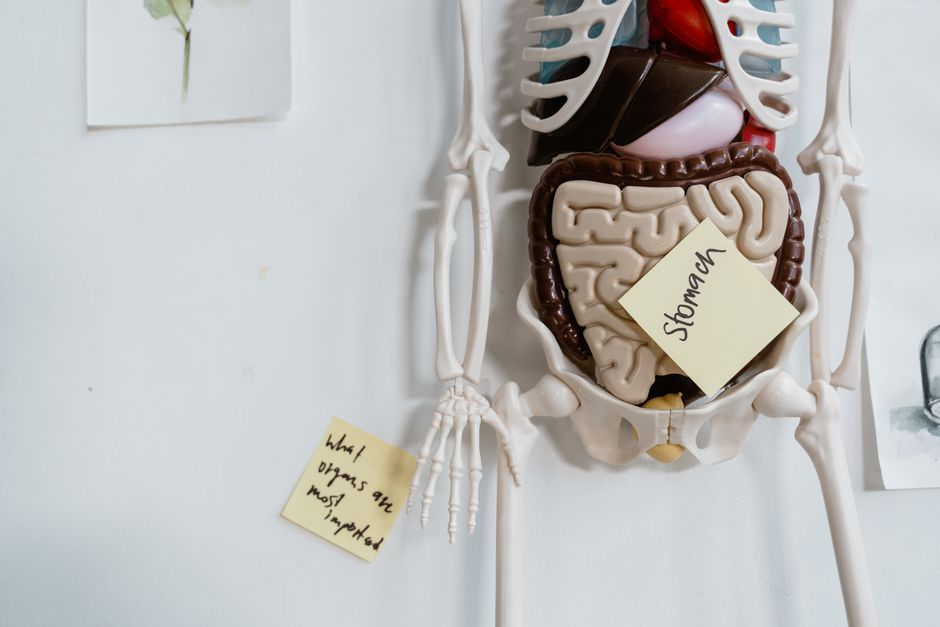
A growing belly is one of the most common changes adults notice in midlife, and it usually reflects more than one thing happening at once. The main drivers are visceral fat accumulation, age-related shifts in hormones and muscle mass, genetics, and lifestyle patterns like sleep, stress, and alcohol intake. For most people, it is not a single cause but a combination — and the order of importance varies from person to person.
What makes belly fat different from fat elsewhere is where it sits. Fat stored deep inside the abdomen, wrapped around the organs, behaves differently from fat under the skin on the hips or thighs. That distinction matters for health, and it explains why waist size tells a doctor more than weight alone.
Why Does My Stomach Keep Growing Common Causes?
The most common cause is a slow, sustained shift in where the body stores fat. Fat cells under the skin, called subcutaneous fat, and fat cells inside the abdomen, called visceral fat, respond differently to hormones, insulin, and stress signals. Over years, the balance tips toward the visceral compartment.
This shift is normal in the sense that it is widespread — but normal does not mean harmless. Visceral fat is metabolically active. It releases inflammatory signals and free fatty acids that affect the liver and other organs. That is why two people with the same weight can have very different health risks depending on where their fat sits.
The main contributors, roughly in order of how much they usually matter:
- Visceral fat accumulation — fat stored around the abdominal organs
- Loss of muscle mass — muscle burns more energy at rest than fat, so losing it slows metabolism
- Hormonal changes — estrogen decline in women and testosterone decline in men both shift fat toward the belly
- Genetics — body shape runs in families
- Sleep, stress, and alcohol — each affects appetite hormones and fat storage
Genetics deserve a specific mention because they are often overlooked. Some people store fat centrally no matter what they do. That does not mean lifestyle has no effect — it means the starting point differs.
Is It Visceral Fat or Just Subcutaneous Fat?
The difference is anatomical, and it is easy to feel. Subcutaneous fat sits just under the skin and feels soft and pinchable. Visceral fat sits deeper, behind the abdominal wall, and gives the belly a firm, rounded shape that does not jiggle.
You cannot measure visceral fat at home with a scale. Body weight does not tell you where fat is stored. A person with a normal BMI can still carry a high amount of visceral fat — a pattern sometimes called normal-weight central obesity — and a person with a higher BMI may carry most of it under the skin.
Waist circumference is the practical proxy. For adults, a waist measured at the top of the hip bone is generally considered elevated at 40 inches or more for men and 35 inches or more for women, based on widely used clinical thresholds. These cutoffs come from large population studies and are used by major health organizations, though they were developed largely in specific populations and may not fit every body type equally well.
Imaging such as CT or MRI can measure visceral fat directly, but it is not used routinely for this purpose outside research.
How Do Hormones Change Where Fat Goes?
Hormones are a major reason belly fat increases with age, and the pattern differs between men and women.
In women, estrogen influences where fat is stored. Before menopause, estrogen tends to favor fat storage on the hips and thighs. As estrogen declines during and after menopause, fat shifts toward the abdomen. This is a well-documented change and is not simply a matter of eating more or moving less.
In men, testosterone gradually declines with age. Lower testosterone is associated with increased visceral fat, and the relationship appears to run in both directions — lower testosterone can promote belly fat, and belly fat can lower testosterone further. This is one reason the change can accelerate once it starts.
Cortisol, the body’s main stress hormone, also plays a role. Chronic stress raises cortisol, and cortisol promotes fat storage in the abdominal area. This is established physiology, though the size of the effect from everyday stress versus other factors is harder to pin down.





What Role Do Muscle Loss and Metabolism Play?
Adults lose muscle mass gradually with age, a process called sarcopenia. Because muscle tissue uses more energy at rest than fat tissue, losing muscle lowers resting energy expenditure. The result is that a person can eat the same amount as before and still gain fat.
This is one of the most misunderstood points about belly fat. Many people assume their metabolism “slowed down” for no reason. In reality, the change is often tied to losing muscle, moving less, and sleeping worse — all of which are modifiable to some degree.
Resistance training and adequate protein intake are the two factors most consistently linked to preserving muscle with age. The evidence here is reasonably strong for maintaining strength and function. The evidence that these habits specifically prevent visceral fat gain is more limited, though some studies suggest a connection.
Does Alcohol Cause a Beer Belly?
Alcohol contributes to abdominal fat, but the popular idea that beer specifically targets the belly is not well supported. The term “beer belly” is a cultural label, not a clinical finding.
What the evidence does show is that heavy alcohol intake is associated with greater waist circumference, and that alcohol adds calories without adding much nutritional value. Alcohol also affects sleep quality and can increase appetite. These effects are not unique to beer — they apply to wine and spirits too.
Moderate drinking is defined in US dietary guidelines as up to one drink per day for women and up to two for men. That is a general guideline, not a target, and it does not mean drinking is beneficial. The evidence on any health benefit from light drinking is mixed and has been questioned in recent years.
Can Sleep and Stress Really Affect Belly Fat?
Yes, and the effect is measurable. Short sleep and poor sleep quality are associated with higher levels of visceral fat in multiple studies. The mechanism involves appetite hormones — ghrelin, which increases hunger, and leptin, which signals fullness. Sleep deprivation tends to raise ghrelin and lower leptin, which increases appetite.
Chronic stress works through a different pathway: elevated cortisol. Cortisol does not just affect where fat is stored. It also affects blood sugar, blood pressure, and immune function. This is why stress is often described as a whole-body issue rather than a mood issue alone.
The practical takeaway is that sleep and stress are not secondary concerns. They affect the same systems that regulate fat storage.
When Should a Growing Stomach Be Checked by a Doctor?
Most gradual belly growth is not a sign of disease. But some patterns warrant medical evaluation.
See a doctor if belly growth is rapid — over weeks rather than months — or if it comes with bloating that does not resolve, unexplained weight loss, pain, changes in bowel habits, or swelling in the legs. These can point to fluid retention, liver problems, or other conditions that need diagnosis.
Ascites, which is fluid in the abdominal cavity, can cause the belly to swell and is a sign of an underlying medical problem. It is not the same as fat gain, and it should always be evaluated.
For most people, though, a slowly growing stomach reflects the factors described above. That does not make it trivial — visceral fat is linked to higher risk of type 2 diabetes, heart disease, and other conditions — but it does mean the situation is usually addressable.
What Actually Helps Reduce Belly Fat?
No single food or exercise targets belly fat specifically. Spot reduction — the idea that crunches or a particular food burns fat from the abdomen — is not supported by evidence.
The approaches with the most consistent evidence are familiar: eating patterns that reduce overall calorie intake without eliminating food groups, regular physical activity including both aerobic exercise and resistance training, adequate sleep, and managing stress. Weight loss of any amount tends to reduce visceral fat disproportionately, meaning even modest loss can improve health markers.
The evidence on specific diets is mixed. Low-carbohydrate, Mediterranean-style, and low-fat diets have all shown some benefit in studies, and none has emerged as clearly superior for visceral fat in the long term. What matters most is adherence — the pattern a person can sustain.
Some clinicians recommend measuring waist circumference alongside weight, since it tracks visceral fat more closely. This is common practice, though its use varies between providers.
What Does Not Work for Belly Fat
Several popular approaches lack evidence. Abdominal exercises build strength but do not reduce belly fat. Waist trainers and compression garments do not change fat storage. Detox teas and “fat-burning” supplements have not been shown to reduce visceral fat in controlled trials.
Hormone replacement for the purpose of reducing belly fat is a more complicated case. Hormone therapy is used for specific medical indications, and its effects on body composition vary. It is not a general weight-loss treatment, and decisions about it should be made with a clinician based on individual circumstances.
The honest position is that the basics — food, movement, sleep, stress — remain the most reliable levers, even though they are not dramatic or fast.
Frequently Asked Questions
Why is my stomach getting bigger even though I haven’t changed my diet?
Age-related muscle loss and hormonal shifts can change where your body stores fat even if your eating habits stay the same. Sleep quality and stress levels also affect fat storage and often change gradually without being noticed.
Is a growing belly always a sign of a health problem?
No, gradual belly growth is common and usually reflects fat storage rather than disease. Rapid growth, persistent bloating, or swelling in the legs should be checked by a doctor.
Can I target belly fat with exercise?
No, spot reduction is not supported by evidence, so crunches alone will not reduce belly fat. Overall physical activity, including resistance training, helps preserve muscle and can reduce visceral fat over time.
Does menopause cause belly fat in women?
Yes, declining estrogen during and after menopause shifts fat storage toward the abdomen. This is a well-documented change and is not simply caused by eating more.
