
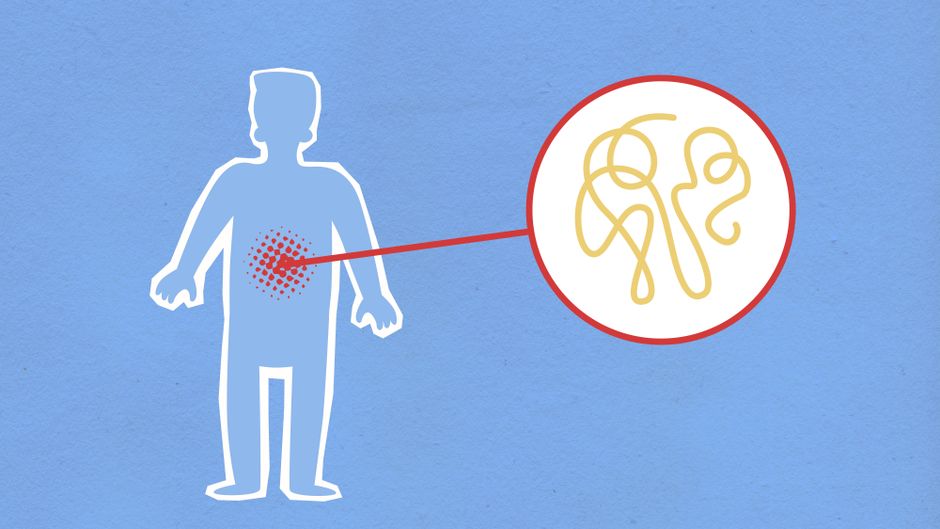
An itchy stomach is usually a skin problem, not a stomach problem. The most common reason the skin on your belly itches is dryness, irritation, or a rash such as eczema or contact dermatitis. The organs inside your abdomen cannot itch — itching happens in the skin and the nerve endings just beneath it.
That distinction matters. When people search for an itchy stomach, they often wonder if something is wrong with their digestion or an internal organ. In most cases, the answer is no. The itch is coming from the surface.
But “usually” is not “always.” Some itchy stomach causes are worth a closer look, and a few need medical attention. This article explains what is actually happening, what tends to cause it, and when to stop guessing and see a doctor.
Why Does My Stomach Itch So Much?
The itch comes from the skin of your abdomen, triggered by irritation, dryness, inflammation, or a reaction to something touching it. Nerve endings in the skin send a signal to your brain that creates the urge to scratch.
Your belly skin is not especially delicate, but it does get a lot of contact. Waistbands rub it. Clothing traps moisture and heat. Soap, detergent, and lotion sit against it. For many people, the itch is simply the result of one or more of those everyday factors.
There is also a mechanical reason belly skin itches more than you might expect. As skin stretches — from weight gain, pregnancy, or rapid growth — the tissue can become dry and irritated, and the nerve endings become more sensitive. That is why an expanding waistline is often an itchy one.
If the itch is persistent, widespread, or paired with other symptoms, the cause is more likely to be medical than environmental. The sections below walk through the realistic possibilities.
What Are the Most Common Causes of an Itchy Stomach?
Dry skin is the single most common cause of itching anywhere on the body, including the abdomen. When the skin barrier loses moisture, it cracks at a microscopic level and the nerve endings underneath become exposed and reactive.
Other frequent causes include:
- Contact dermatitis — a reaction to something touching the skin, such as a nickel belt buckle, laundry detergent, fabric dye, or a new lotion.
- Eczema (atopic dermatitis) — a chronic condition that causes dry, inflamed, intensely itchy patches. It often appears in skin folds, including where the belly meets the waistband.
- Hives (urticaria) — raised, welty patches that itch and can move around the body. They can be triggered by foods, medications, heat, or pressure.
- Fungal infections — such as ringworm or a yeast overgrowth in warm, moist skin folds. These tend to produce a defined, sometimes ring-shaped rash.
- Insect bites or scabies — scabies in particular causes intense itching that is often worse at night.
Many of these look similar at first. A red, itchy patch could be eczema, a fungal infection, or contact dermatitis, and the treatments differ. That overlap is why a rash that does not improve with basic moisturizing is worth having looked at rather than self-treating indefinitely.
Can Stomach Itching Be a Sign of Something Internal?
Yes, in some cases. Certain internal conditions can cause itching, though the itch is usually not limited to the stomach.
When the liver or kidneys are not working normally, waste products can build up in the blood and cause widespread itching. This is called pruritus. It typically affects the whole body rather than just the abdomen, and it is often worse at night.
Liver-related itching can occur with conditions such as cholestasis, where bile flow is blocked. Itching from kidney disease is common in advanced kidney failure. These are not the first signs most people notice, and they usually come with other symptoms — fatigue, jaundice (yellowing of the skin or eyes), dark urine, swelling, or changes in urination.
There is a persistent myth that an itchy belly means a problem with the stomach itself, such as an ulcer or gastritis. There is no established mechanism for that. The stomach lining does not have itch-sensing nerve endings that project to the skin of the abdomen. If you have stomach pain or digestive symptoms along with an itchy belly, treat them as two separate issues until a doctor says otherwise.
An important exception involves pregnancy. Itching on the abdomen during pregnancy is often just stretching skin. But severe itching, especially on the hands and feet, can signal a liver condition called intrahepatic cholestasis of pregnancy. This needs prompt medical evaluation because it can affect the baby. Any pregnant woman with intense itching should contact her provider rather than wait.





When Should I Worry About an Itchy Stomach?
Most itchy stomachs are harmless and resolve on their own or with basic skin care. A few signs suggest you should see a doctor.
Seek medical attention if the itch:
- Comes with yellowing of the skin or eyes, dark urine, or pale stools
- Spreads over most of your body rather than staying on the abdomen
- Is severe enough to disturb sleep or interfere with daily life
- Comes with a rash that is spreading, blistering, or looks infected (warm, swollen, oozing pus)
- Appears alongside unexplained weight loss, fever, or fatigue
- Does not improve after a few weeks of consistent skin care
These signs do not confirm a specific disease. They simply mean the itch deserves a professional look rather than continued home treatment. A doctor can examine the skin, ask about medications and exposures, and order blood tests if an internal cause seems possible.
How Do You Stop an Itchy Stomach From Itching?
The right approach depends on the cause, so matching treatment to the trigger matters more than trying everything at once. For run-of-the-mill dry or irritated skin, basic care often helps within days.
General steps that support the skin barrier:
- Moisturize daily, ideally right after a short, lukewarm shower, to trap water in the skin.
- Use fragrance-free soaps and detergents, since fragrance is a common irritant.
- Wear soft, breathable fabrics and avoid tight waistbands that rub.
- Avoid scratching, which damages the skin and can create an itch-scratch cycle that makes things worse.
- Apply a cool compress to calm the urge to scratch.
For specific causes, the treatment changes. Contact dermatitis improves when you remove the trigger. Eczema often responds to prescription creams that reduce inflammation. Fungal infections need antifungal treatment, and using a steroid cream on a fungal rash can make it worse. Hives may need antihistamines.
Over-the-counter hydrocortisone can help with mild inflammatory itching, but it is not appropriate for every rash and should not be used long-term without guidance. If you are unsure what you are treating, a pharmacist or doctor can help you tell the difference.
Does Diet or Digestion Cause an Itchy Stomach?
Food can cause itching, but the mechanism is usually an allergic reaction, not digestion itself. A food allergy can trigger hives that appear on the abdomen and elsewhere, often within minutes to a couple of hours of eating.
This is different from a food intolerance, which typically causes digestive symptoms like bloating or cramping rather than itching. The two are often confused. If itching reliably follows a specific food, that pattern is worth discussing with a doctor, since true food allergies can be serious.
There is no strong evidence that a “stomach cleanse,” a specific diet, or cutting out particular foods will resolve a chronic itchy belly unless a genuine allergy or deficiency is involved. Claims that detoxes clear the skin are not supported by clinical evidence.
One real exception is a nutritional deficiency. Severe iron deficiency and certain vitamin deficiencies can cause itching, but this is uncommon and usually comes with other signs such as fatigue or paleness. It is diagnosed by a blood test, not by guessing.
What Skin Conditions Look Like an Itchy Stomach?
Several skin conditions commonly show up on the abdomen, and telling them apart helps guide treatment. The table below compares the most frequent ones. This is a general guide, not a diagnosis.
| Condition | Typical Appearance | Common Trigger |
|---|---|---|
| Dry skin | Flaky, rough, no clear border | Low humidity, hot showers, aging |
| Contact dermatitis | Red, sometimes blistered, follows the shape of the contact | Metals, detergents, dyes, fragrances |
| Eczema | Dry, inflamed patches, often in skin folds | Genetics, irritants, stress |
| Hives | Raised welts that move and fade | Foods, medications, heat, pressure |
| Fungal infection | Defined, sometimes ring-shaped, scaly edge | Warm, moist skin folds |
Because these can overlap, a rash that keeps coming back or does not respond to basic care is best evaluated in person. A doctor can often identify the cause by looking, and a skin scraping can confirm a fungal infection when needed.
Is an Itchy Stomach Ever a Sign of Cancer?
Itching by itself is not a typical sign of stomach cancer. Stomach cancer more often causes indigestion, a feeling of fullness, nausea, unintentional weight loss, or blood in the stool.
That said, some cancers — particularly certain lymphomas and liver cancers — can cause generalized itching. This itching is usually widespread, not confined to the abdomen, and comes with other symptoms. It is also rare.
The takeaway is not to panic over an itchy belly. It is to notice when itching comes with warning signs like weight loss, fever, or jaundice, and to get those checked. An isolated itchy stomach with no other symptoms is very unlikely to be cancer.
Frequently Asked Questions
Why does my stomach itch at night?
Itching often feels worse at night because body temperature rises, skin loses moisture, and there are fewer distractions. If it is severe and constant at night, especially with a rash, it is worth having a doctor look at it.
Can stress make my stomach itch?
Stress can worsen many skin conditions, including eczema and hives, and it can increase the perception of itch. It rarely causes itching on its own without an underlying skin issue.
Does an itchy stomach mean liver problems?
Liver problems can cause itching, but it is usually widespread across the body rather than limited to the stomach. Liver-related itching typically comes with other signs such as jaundice, dark urine, or fatigue.
What cream is best for an itchy stomach?
For dry skin, a fragrance-free moisturizer is the first step. For inflammatory rashes, a doctor may recommend a hydrocortisone or prescription cream, but the right choice depends on the cause, and using the wrong cream can make some rashes worse.
