

Stomach pain and diarrhea together are your digestive system’s way of telling you something is wrong. The combination usually means your intestines are irritated and inflamed, which speeds up how fast food and waste move through your body. This rapid transit leaves less time for water to be absorbed, which is why your stool becomes loose and urgent.
What Causes Sudden Stomach Pain and Diarrhea?
The most common cause is a short-term infection in your digestive tract. Doctors call this acute gastroenteritis, though most people know it as the stomach flu. It is not actually the flu. It is usually caused by a virus, such as norovirus or rotavirus, and it typically clears up on its own within a few days.
Bacterial infections can cause the same symptoms. Contaminated food or water is the usual source. Common culprits include Salmonella, E. coli, and Campylobacter. These infections can be more serious than viral ones and sometimes require medical treatment.
Food poisoning is really just a type of gastroenteritis. The symptoms come on fast — often within hours of eating contaminated food — because the bacteria or their toxins directly irritate your intestinal lining.
How Digestion Changes When You Have Diarrhea
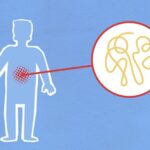
Your intestines normally move contents along at a steady pace. Water is absorbed as waste travels through the colon. When your gut becomes irritated, the muscles in your intestinal walls contract more forcefully and more frequently.
This is the mechanism behind the pain. Strong, uncoordinated contractions cause cramping. The faster movement means less time for water absorption. The result is loose, watery stool that comes with urgency and abdominal discomfort.
Your body is not malfunctioning. It is actively trying to flush out whatever is irritating it. The diarrhea is a defense mechanism, even though it feels miserable.
When Stomach Pain and Diarrhea Are Not an Infection
Not every episode of stomach pain with diarrhea is an infection. Some people have irritable bowel syndrome, or IBS. This is a chronic condition that changes how the gut moves and how sensitive it is to stimulation. IBS can cause diarrhea, constipation, or both, often with cramping that improves after a bowel movement.
Food intolerances are another common cause. Lactose intolerance is the best-known example. If you lack the enzyme needed to break down lactose, the undigested sugar pulls water into your intestines and ferments, causing gas, pain, and diarrhea.
Some medications cause diarrhea as a side effect. Antibiotics are a frequent trigger because they disrupt the balance of bacteria in your gut. Certain diabetes medications, antacids containing magnesium, and some blood pressure drugs can also cause loose stools.
Inflammatory bowel disease — Crohn’s disease and ulcerative colitis — can cause recurring stomach pain and diarrhea. These conditions involve chronic inflammation of the digestive tract. They are less common than infections or IBS, but they are important to recognize because they require ongoing medical care.




How Long Should Stomach Pain and Diarrhea Last?
Most cases of viral gastroenteritis resolve within 48 to 72 hours. Bacterial infections can last a few days longer. The diarrhea usually improves before the stomach pain completely goes away.
You should seek medical attention if symptoms last longer than a few days without improvement. Persistent diarrhea beyond about a week warrants a medical evaluation, even if you feel otherwise okay.
Some symptoms are red flags that require immediate medical care. Blood in your stool, high fever, severe abdominal pain that does not come and go, signs of dehydration, or the inability to keep down fluids all mean you should see a doctor promptly.
Dehydration is the main risk with diarrhea. Your body loses water and electrolytes — sodium, potassium, and chloride — with each loose stool. Young children, older adults, and people with chronic illnesses are most vulnerable to dehydration.
What Can You Do at Home for Stomach Pain and Diarrhea?
The most important thing is fluid replacement. Water alone is not enough. Your body needs electrolytes too. Oral rehydration solutions — available at most pharmacies — are the most effective option because they contain the right balance of water, salts, and sugar.
Clear broths, sports drinks, and diluted fruit juices can help in a pinch. Avoid drinks that are high in sugar, caffeine, or alcohol. These can worsen diarrhea by pulling more water into the intestines.
Eating may be the last thing you want to do, but your body needs fuel to recover. Start with bland, easy-to-digest foods. Saltine crackers, toast, plain rice, bananas, and applesauce are gentle on the stomach. These foods are often referred to as the BRAT diet, though the evidence supporting it is limited. The real goal is simply to eat small amounts of foods that do not irritate your gut further.
Foods that are greasy, spicy, or very high in fiber can make symptoms worse. Dairy products may be poorly tolerated during a diarrhea episode, even in people who are not normally lactose intolerant. This is because intestinal inflammation can temporarily reduce lactase production.
Over-the-counter anti-diarrheal medications like loperamide can reduce the frequency of stools. They are generally safe for mild cases in adults. However, you should not use them if you have a high fever or blood in your stool. Slowing the gut down during a bacterial infection can keep the bacteria in your body longer.
How to Prevent Stomach Pain and Diarrhea
Handwashing is the single most effective prevention measure. Norovirus and many bacterial infections spread through the fecal-oral route. This means tiny amounts of infected stool end up on surfaces, hands, or food, and then enter someone’s mouth. Thorough handwashing with soap and water — not just hand sanitizer — is critical because many of these pathogens are resistant to alcohol-based sanitizers.
Food safety matters just as much. Cook meat to safe internal temperatures. Keep raw meat separate from ready-to-eat foods. Refrigerate leftovers promptly. Wash fruits and vegetables before eating them.
If you travel to areas with poor sanitation, be cautious about tap water, ice, and raw foods. The general advice is to drink bottled water and eat foods that are fully cooked and served hot.
For recurrent episodes that are not infectious, keeping a food diary can help identify triggers. Some people find that certain foods consistently cause symptoms. Common triggers include artificial sweeteners like sorbitol and mannitol, which are poorly absorbed and draw water into the gut.
When to See a Doctor for Stomach Pain and Diarrhea
Most episodes resolve without medical care. But some situations require professional evaluation. The following are reasons to contact a doctor:
- Diarrhea lasting more than a few days without improvement
- Blood or black, tarry stool
- High fever — above 101°F in adults
- Severe abdominal pain that is constant rather than cramping
- Signs of dehydration: dark urine, dizziness, dry mouth, extreme thirst
- Diarrhea after recent antibiotic use, which could indicate a C. difficile infection
If you have a weakened immune system, are pregnant, or have a chronic condition like diabetes or kidney disease, check with your doctor earlier rather than later. What is a minor inconvenience for a healthy adult can become a serious problem in these populations.
Frequently Asked Questions
Can stress cause stomach pain and diarrhea?
Yes, stress can trigger digestive symptoms, especially in people with irritable bowel syndrome. The brain and gut are directly connected through the nervous system, and stress can speed up or slow down intestinal movement.
Is it safe to take anti-diarrheal medicine?
It is generally safe for mild diarrhea in adults without a fever or blood in the stool. Do not use it if you suspect a bacterial infection, because slowing the gut can keep the infection in your body longer.
What should I eat when I have diarrhea?
Start with bland, low-fiber foods like crackers, toast, rice, and bananas. Avoid greasy, spicy, or very sweet foods until your symptoms improve.
When should I go to the emergency room for diarrhea?
Go to the emergency room if you have blood in your stool, severe constant abdominal pain, a high fever, or signs of dehydration such as dizziness and very dark urine. These symptoms can indicate a serious infection or other condition that needs urgent care.
