
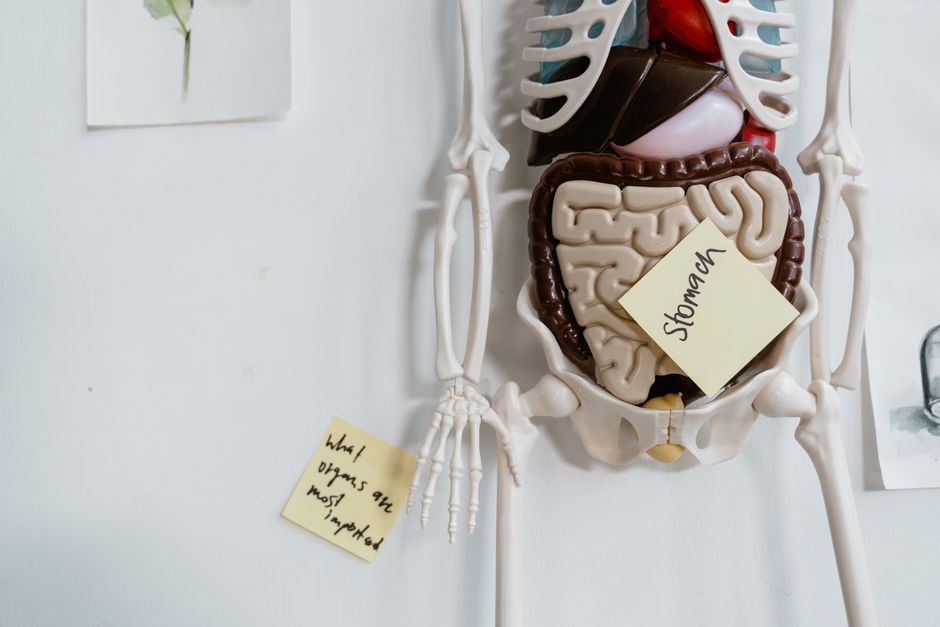
That bloated, pressurized feeling has a physical cause, and it is usually gas trapped somewhere in your digestive tract. Your gut produces gas constantly as you swallow air and as bacteria ferment food in your colon. Most of it leaves without you noticing. When it builds up faster than your body can move it along, or when your gut is more sensitive to normal amounts of gas, you feel that full-of-air sensation. It is common, it is rarely dangerous, and it has several distinct causes worth understanding.
Why Does My Stomach Feel Like Its Full Of Air?
The feeling comes from gas distending part of your digestive tract. Your intestines are muscular tubes lined with nerves. When gas stretches those walls, the nerves send signals your brain reads as fullness, pressure, or bloating.
There are two main sources of that gas. The first is swallowed air, called aerophagia. You swallow small amounts every time you eat, drink, or even talk. Chewing gum, drinking through straws, carbonated drinks, and eating fast all increase how much air goes down. The second source is fermentation. Undigested carbohydrates reach your colon, where bacteria break them down and release hydrogen, carbon dioxide, and in some people methane.
Here is a detail that surprises many people. The volume of gas itself is often normal. Research using actual measurements of intestinal gas has found that people who feel bloated do not always have more gas than people who do not. The difference is frequently how sensitive the gut is to that gas, and how well the muscles move it along. That is why two people can eat the same meal and only one feels inflated.
What Foods and Habits Make It Worse?
Certain foods reliably produce more gas because they contain carbohydrates your small intestine cannot fully digest. These are sometimes called fermentable carbohydrates, or FODMAPs. They pull water into the gut and feed colonic bacteria.
Common culprits include beans and lentils, onions, garlic, wheat, some fruits like apples and pears, and sugar alcohols such as sorbitol and mannitol found in sugar-free gum and candy. Dairy causes symptoms in people who do not produce enough lactase, the enzyme that breaks down milk sugar.
Habits matter as much as food. Eating quickly, talking while eating, and drinking fizzy drinks all add air. So does drinking through a straw. Carbonated beverages add gas directly, which is why a soda can leave you feeling inflated within minutes.
- Beans, lentils, and other legumes
- Onions, garlic, and leeks
- Wheat-based foods in some people
- Apples, pears, and stone fruits
- Sugar-free products with sorbitol or mannitol
- Milk and dairy if you are lactose intolerant
- Carbonated drinks
Cutting out every food on this list is not a good first step. Many of them are nutritious. A more useful approach is to notice which specific foods trigger your symptoms, because triggers vary a lot from person to person.
When Is Bloating a Sign of Something More?
Most gas and bloating is harmless. But some patterns deserve a medical conversation rather than a dietary tweak.
Talk to a clinician if bloating comes with unexplained weight loss, blood in your stool, persistent vomiting, fever, or pain that wakes you from sleep. These are not typical gas symptoms. Bloating that is new and steadily worsening, especially in someone over 50, also warrants evaluation.
Two common conditions produce recurring bloating. Irritable bowel syndrome, or IBS, often brings bloating along with changes in bowel habits and abdominal discomfort. In IBS, the gut is more sensitive to normal stretching, and the muscles that move contents along may work differently. Small intestinal bacterial overgrowth, known as SIBO, is another proposed cause of bloating, though how often it truly explains symptoms is still debated among specialists. Testing and treatment for SIBO remain an area of active disagreement, so it is not a settled diagnosis.
For people assigned female at birth, persistent bloating that does not vary with diet or bowel habits is worth mentioning to a doctor, because it can occasionally be a sign of a gynecologic issue. This is uncommon, but it is the reason persistent unexplained bloating should not be ignored indefinitely.
Why Does Bloating Feel Worse Later in the Day?
Bloating commonly builds through the day and eases overnight. This pattern is well recognized and usually reflects the normal rhythm of digestion rather than a worsening condition.
Gas accumulates as you eat meals and swallow air across the day. The muscles of the gut also slow down somewhat after large meals. By evening, the combination of accumulated gas and slower movement can leave you feeling more inflated than you did at breakfast.
If your symptoms follow this daily pattern and improve with sleep or passing gas, that pattern itself is reassuring. Bloating that is constant, never eases, or is worst in the morning is less typical of simple gas and more worth investigating.
Do Probiotics and Remedies Actually Help?
The evidence for most over-the-counter gas remedies is modest. Some help some people, and the results are not consistent across studies.
Simethicone is widely sold for gas. It is thought to reduce surface tension of gas bubbles, but clinical trials have shown mixed results, and it is not strongly supported as a reliable treatment. Some clinicians recommend it anyway because it is generally well tolerated. Beano, which contains an enzyme that helps break down certain complex sugars in beans and vegetables, can reduce gas from those specific foods when taken with a meal.
Probiotics are often marketed for bloating. The evidence is mixed. Some studies suggest certain strains may reduce bloating in some people, but results vary by strain, dose, and the individual, and no single product is established as reliably effective. Peppermint oil has some support for IBS-related bloating in clinical trials, though it can cause heartburn in some people.
No remedy replaces understanding your own triggers. If a product claims to cure bloating, treat that claim with skepticism. No supplement is established as a cure, and the causes of bloating are too varied for one product to address all of them.
What Can You Do About It?
Start with the mechanical causes. Eat more slowly. Skip straws and cut back on carbonated drinks. Avoid chewing gum, which makes you swallow air. These changes are simple and cost nothing.
If diet seems to be the driver, keep a short food and symptom diary for a couple of weeks. Patterns often emerge that are not obvious day to day. Rather than eliminating many foods at once, try removing one suspected trigger at a time and see whether symptoms change.
Regular physical activity helps move gas through the gut. So does staying hydrated and eating enough fiber, though increasing fiber too quickly can temporarily make gas worse. Add fiber gradually.
If symptoms are frequent, painful, or disrupting your life, see a clinician. Bloating is common, but persistent or severe symptoms deserve a proper look rather than years of guessing. A doctor can help rule out conditions like IBS, celiac disease, or lactose intolerance, which have specific management approaches.
Frequently Asked Questions
Why does my stomach feel full of air but not look bloated?
You can feel pressure from gas inside the gut without visible swelling, because the sensation comes from nerves sensing stretch inside the intestines. Visible bloating depends on how much the abdomen physically distends, which varies from person to person.
Is it normal to have gas every day?
Yes. Passing gas many times a day is normal and reflects the constant fermentation of food by gut bacteria. The amount varies widely between people and is usually not a sign of a problem.
Can stress make your stomach feel full of air?
Stress can affect how the gut moves and how sensitive it is to gas, which can worsen bloating symptoms. The gut and brain are connected through the nervous system, so emotional stress can genuinely change how your abdomen feels.
When should I worry about bloating?
See a doctor if bloating comes with weight loss, blood in the stool, vomiting, fever, or pain that wakes you from sleep. Persistent bloating that is new or steadily worsening also deserves evaluation.
