
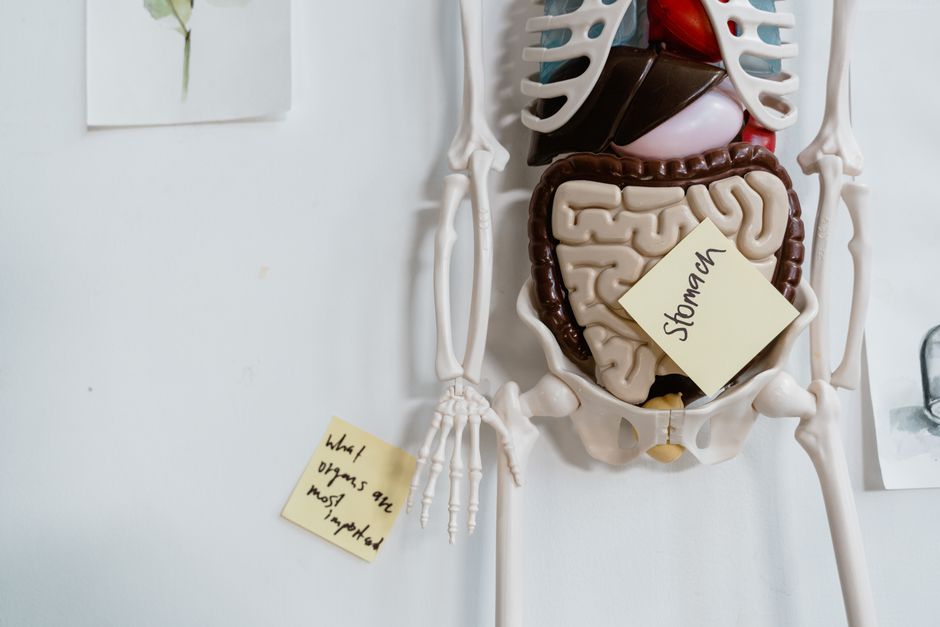
A squeezing feeling in your stomach is your body signaling that something is wrong. The sensation usually comes from muscle spasms, trapped gas, or inflammation in your digestive tract. In most cases, it is temporary and harmless. But sometimes, that squeezing pressure points to a condition that needs medical attention.
What Causes a Squeezing or Cramping Feeling in the Stomach?
The stomach and intestines are lined with smooth muscle. That muscle contracts to move food through your digestive system. When those contractions become stronger or more frequent than normal, you feel a squeeze or cramp.
Several common conditions can trigger this response:
- Gas and bloating — trapped gas stretches the intestinal wall, which causes pain and pressure.
- Constipation — stool buildup in the colon creates a sense of fullness and squeezing.
- Indigestion — eating too fast, eating rich foods, or drinking carbonated beverages can irritate the stomach lining.
- Gastroenteritis — often called the stomach flu. A viral or bacterial infection inflames the digestive tract.
- Food intolerances — lactose, gluten, or artificial sweeteners can cause cramping in sensitive people.
These causes are common and usually resolve on their own within hours or a few days.
When the Squeezing Feeling Comes From Muscle Spasms
Your digestive tract has its own nervous system. It coordinates muscle contractions without you thinking about it. Stress and anxiety can disrupt this system. When you are anxious, your body releases hormones that change how your gut muscles behave.
This is why many people feel stomach cramps before a big presentation or during a stressful event. The sensation is real. The muscles are actually contracting harder than they should. It is not “all in your head” — it is a physical response to emotional stress.
Irritable bowel syndrome (IBS) is a condition where this gut-brain connection becomes oversensitive. People with IBS often describe a squeezing or twisting sensation in their lower abdomen. The pain typically eases after a bowel movement.
Serious Causes You Should Not Ignore
Most stomach squeezing is benign. But some causes require prompt medical care. You cannot always tell the difference on your own, so pay attention to the pattern of your symptoms.
Gallstones can cause a squeezing pain in the upper right side of the abdomen. The pain often comes after eating a fatty meal and may radiate to your right shoulder or back. This happens when a stone blocks the bile duct.
Appendicitis usually starts as a dull ache near the belly button. Within hours, it moves to the lower right side and becomes sharper. The pain often worsens with movement, coughing, or pressure.
Pancreatitis causes severe upper abdominal pain that can feel like it is wrapping around your back. The pain is intense and constant, not wave-like.
Intestinal obstruction is a blockage that prevents food and liquid from moving through the intestines. Symptoms include severe cramping, vomiting, and the inability to pass gas or stool. This is a medical emergency.
If your stomach squeezing is accompanied by any of the following, seek emergency care:
- Severe pain that prevents you from standing upright
- Vomiting blood or material that looks like coffee grounds
- Stool that is black, tarry, or contains bright red blood
- Fever above 101°F (38.3°C)
- Difficulty breathing
- Pain during pregnancy




Why Does My Stomach Feel Like Its Being Squeezed After Eating?
If the squeezing sensation appears consistently after meals, the timing is a clue. Your stomach expands as food enters it. Normally, this triggers gentle contractions to begin digestion. If those contractions become painful, one of several things may be happening.
Gastroparesis is a condition where the stomach empties too slowly. Food sits in the stomach longer than it should, causing fullness, nausea, and a squeezing pressure. This condition is most common in people with diabetes but can occur without an obvious cause.
Peptic ulcers are open sores on the stomach lining or the upper part of the small intestine. The pain often feels like a gnawing or burning squeeze. It may improve temporarily after eating, then return a few hours later.
Gallbladder disease frequently causes post-meal pain because the gallbladder contracts to release bile when you eat. If a gallstone blocks the duct, that contraction becomes intensely painful.
Pay attention to which foods trigger the sensation. Fatty or greasy meals point toward gallbladder issues. Very spicy or acidic foods may point toward ulcers or acid reflux. Large meals in general can trigger symptoms in people with any of these conditions.
How to Tell if It Is Gas or Something More Serious
Gas pain can be intense. It can mimic the pain of a heart attack or appendicitis. The key difference is that gas pain tends to move. It shifts from one area of the abdomen to another. It often improves after you pass gas or have a bowel movement.
Gas pain is rarely constant. It comes in waves. The pain may be sharp when it peaks, then fade almost completely before returning. This wave-like pattern is typical of normal intestinal contractions pushing gas through the system.
Serious conditions usually produce pain that is steady and progressively worsens. If the pain stays in one spot and gets worse over several hours, do not assume it is gas. This is especially true if the pain is on the lower right side of your abdomen, which is where the appendix sits.
Home Care for Mild Stomach Squeezing
For mild, temporary cramping that you are confident is gas or indigestion, several approaches may help. These are general comfort measures, not medical treatments.
Heat therapy — a warm compress or heating pad on the abdomen can relax tense muscles. Use a low setting and place a cloth between the pad and your skin to prevent burns.
Gentle movement — walking or light stretching can help move trapped gas through the intestines. Avoid vigorous exercise, which can worsen cramping.
Hydration — drinking clear fluids helps keep the digestive tract moving. Sip water slowly rather than drinking large amounts at once.
Dietary adjustments — if you suspect a specific food caused the problem, avoid it for a few days. Common triggers include dairy, beans, cruciferous vegetables, and artificial sweeteners.
Over-the-counter simethicone products can help break up gas bubbles. Antacids may help if the sensation is related to acid reflux. These medications are generally safe for short-term use in healthy adults, but always follow the dosing instructions on the package.
When to See a Doctor
You do not need to see a doctor every time your stomach feels tight. Occasional cramping after a large meal or during a stressful week is normal. But certain patterns warrant a medical evaluation.
Make an appointment if you experience any of the following:
- Squeezing pain that lasts longer than three days
- Pain that wakes you from sleep
- Unintentional weight loss
- Changes in bowel habits that persist for more than two weeks
- Pain that interferes with your daily activities
- A family history of colon cancer or inflammatory bowel disease
Your doctor will ask about the location, timing, and quality of the pain. They may order blood tests, imaging studies, or an endoscopy depending on your symptoms. These tests help identify the underlying cause rather than treating the symptom blindly.
Can Stress Alone Cause a Squeezing Stomach?
Yes. The gut has been called the “second brain” because it contains hundreds of millions of nerve cells. These nerves communicate directly with your brain. When you experience stress, your brain signals the gut to slow down or speed up digestion.
Stress can cause the stomach muscles to contract irregularly. This produces a squeezing sensation that feels identical to pain from a physical cause. The difference is that stress-related pain often improves when the stressful situation resolves.
Chronic stress can also change your gut bacteria composition. Research suggests this can make the digestive tract more sensitive to normal amounts of gas and movement. Over time, this sensitivity can develop into a cycle where stress causes pain, and pain causes more stress.
If stress is the likely trigger, stress management techniques may help. Deep breathing exercises, regular physical activity, and adequate sleep all support normal digestive function. These approaches do not replace medical care when symptoms are severe, but they can reduce the frequency of stress-related episodes.
Frequently Asked Questions
What does it mean when your stomach feels tight and squeezed?
It usually means the smooth muscle in your digestive tract is contracting more forcefully than normal. Common triggers include gas, constipation, indigestion, stress, or a mild infection.
How long should a squeezing stomach feeling last?
Mild cramping from gas or indigestion typically resolves within a few hours. If the squeezing sensation lasts more than three days or steadily worsens, see a doctor.
Can anxiety cause your stomach to feel squeezed?
Yes. Anxiety triggers stress hormones that alter gut muscle contractions. This can produce a genuine squeezing sensation even when no physical disease is present.
When should I go to the ER for stomach cramping?
Go to the emergency room if the pain is severe enough to prevent you from standing upright, if you vomit blood, if your stool is black or bloody, or if you have a fever above 101°F. Pain during pregnancy also requires immediate evaluation.
