
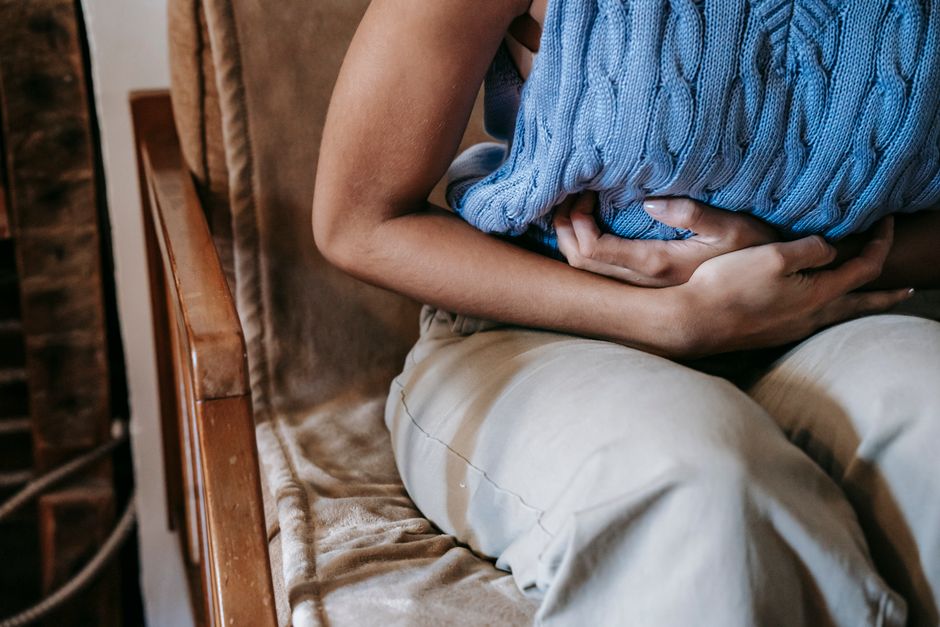
You lie down to sleep, and within minutes your stomach tightens into a cramp. It’s a common problem with a few distinct explanations. When you change position, gravity no longer helps keep stomach acid down, gas pockets shift, and abdominal organs settle differently. For most people, the cramping comes from acid reflux, gas, or slow digestion — not a serious condition. But knowing which one you have matters for relief.
What happens to your stomach when you lie down?
Your digestive system works with gravity. When you’re upright, stomach contents move downward toward the intestines. When you lie flat, that movement slows. Food and acid can drift back up into the esophagus. Gas that was trapped in one part of your bowel can move to another, stretching the intestinal wall and causing cramping.
Blood flow also shifts. Lying down reduces pressure on your lower body and increases it in your abdomen. This can make you more aware of sensations you didn’t notice while standing or moving around.
Why does acid reflux cause stomach cramps at night?
Acid reflux happens when the ring of muscle between your esophagus and stomach doesn’t close tightly. When you’re upright, gravity keeps stomach acid down. When you lie down, acid can flow backward. This irritates the lining of the esophagus and sometimes triggers stomach cramping as the body tries to clear the acid.
Not everyone feels heartburn with reflux. Some people feel a dull ache or cramping in the upper belly. If you also taste sour liquid or feel a lump in your throat, reflux is likely the cause. Waiting at least three hours after eating before lying down can reduce this.
Can trapped gas cause cramps when lying down?
Yes. Gas builds up in the digestive tract throughout the day. When you’re standing or walking, gas moves easily and passes without much notice. When you lie down, gas can pool in certain areas of the intestine. The stretch on the bowel wall produces sharp cramps that often move as you shift positions.
If you ate a meal high in fiber, beans, or carbonated drinks within a few hours of bedtime, gas cramps are more likely. Walking or gentle movement helps pass gas. Some people find lying on their left side helps gas move toward the exit naturally.





Is it irritable bowel syndrome (IBS)?
IBS is a common condition that affects how the bowel moves and how sensitive it is to stretch. People with IBS often notice their symptoms get worse when they change positions or after stress. Lying down can increase awareness of normal bowel activity, turning a mild sensation into a cramp.
Research consistently shows that IBS pain often improves after a bowel movement. If your cramps ease after you pass gas or have a bowel movement, IBS may be involved. The key difference from other causes: IBS does not damage the intestine, but it can make normal digestion feel painful. No single test diagnoses IBS; doctors typically diagnose it based on symptoms and by ruling out other conditions.
What about pregnancy and stomach cramps when lying down?
During pregnancy, the growing uterus pushes the stomach and intestines upward and backward. Lying on the back can compress major blood vessels, reducing blood flow to the abdomen and causing cramping. Lying flat also makes acid reflux more likely because the valve between the stomach and esophagus relaxes more during pregnancy.
Many pregnant women find relief by lying on their left side with a pillow between their knees. This position improves blood flow and keeps stomach contents where they belong. If cramps are severe or come with bleeding, call your doctor.
Could it be a more serious condition?
Most stomach cramps when lying down are harmless. But some conditions need medical attention. Gallbladder attacks often start after a fatty meal and get worse when lying down — especially on the right side. The pain is usually in the upper right belly and may shoot into the right shoulder blade.
Pancreatitis causes a deep, steady pain that gets worse when you lie flat. It often feels better if you lean forward. Stomach ulcers can hurt more at night because stomach acid builds up when you haven’t eaten for hours. If the pain wakes you up, that’s a sign worth discussing with a doctor.
Seek medical care immediately if the cramping is severe, lasts more than a few hours, comes with vomiting blood or black stools, or if you have a fever.
What can you do to stop stomach cramps when lying down?
- Wait after eating. Don’t lie down for at least three hours after a meal. Give your stomach time to empty.
- Elevate your upper body. Use a wedge pillow or raise the head of your bed six to eight inches. This keeps acid down even when you’re sleeping.
- Try your left side. Lying on your left helps prevent acid reflux and helps gas pass more easily.
- Eliminate trigger foods. Spicy foods, citrus, chocolate, alcohol, and carbonated drinks are common causes for nighttime cramps. Keep a food diary for two weeks to identify your triggers.
- Manage stress. Anxiety can make your stomach more sensitive. Deep breathing before bed can reduce the perception of pain.
If these changes don’t help within two weeks, see a doctor. You may need treatment for a specific condition like IBS or reflux. Over-the-counter antacids or gas relief medications can help in the short term, but they don’t fix the underlying cause.
Why does my stomach cramp when I lie down — and not when I sit?
The position itself changes how your organs interact. When sitting, gravity helps keep acid and gas in their proper places. When you lie flat, acid can reach the esophagus, gas can shift to sensitive spots, and your awareness of internal sensations increases. Many people have mild reflux or gas during the day without noticing it because they are upright and distracted. At night, with fewer distractions and a horizontal body, the same amount of irritation feels like a cramp.
This is why the same meal can cause no trouble after lunch but trigger cramps after dinner. The difference is position, not food.
Frequently Asked Questions
Can drinking water before bed cause stomach cramps?
Drinking too much water right before lying down can stretch the stomach and trigger mild cramps. Sipping small amounts is fine, but a full glass can cause discomfort.
How long after eating should I wait before lying down?
Wait at least three hours after a meal before lying down. This gives your stomach enough time to empty its contents into the small intestine.
Is it normal to wake up from stomach cramps every night?
No. Occasional cramps are common, but nightly waking from pain is not normal. See a doctor to rule out conditions like ulcers, gallbladder issues, or GERD.
Does sleeping position matter for stomach cramps?
Yes. Sleeping on your left side reduces acid reflux and helps gas move. Sleeping on your back or right side can make cramps worse for some people.
