
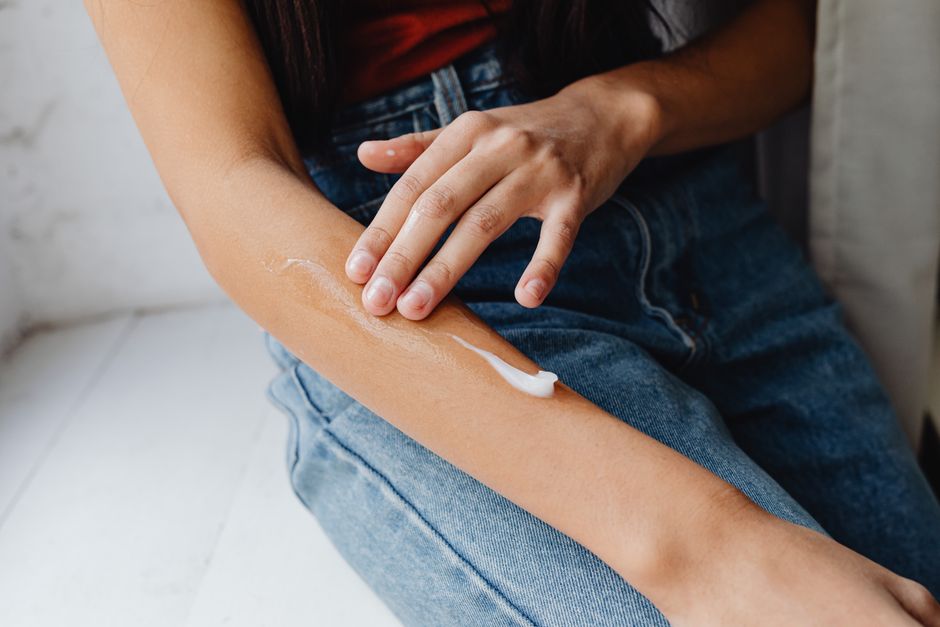
Itching that will not stop can take over your day and ruin your sleep. When you scratch, the relief is brief, and then the itch often comes back worse. This cycle is called the itch-scratch cycle, and understanding it is the first step to breaking it. The cause is usually one of a few common conditions like dry skin, eczema, allergies, or an underlying issue like a nerve problem or internal disease, and relief depends on matching the treatment to the actual cause.
Why Does My Skin Itch So Bad? Causes And Relief
Your skin has specialized nerve endings that send itch signals to your brain. When something irritates these nerves, you feel the urge to scratch. The most common trigger is dry skin, which weakens the skin’s natural barrier. This barrier normally locks in moisture and keeps irritants out. When it breaks down, even mild triggers like temperature changes or rough fabrics can set off intense itching.
Inflammation is another major player. Conditions like eczema, also called atopic dermatitis, cause the immune system to overreact, producing inflammation in the skin. This inflammation directly stimulates the itch nerves. Allergies work in a similar way. When your skin touches something you are allergic to, like nickel or poison ivy, your immune system releases histamine, which is a chemical that causes itching, redness, and swelling.
The type of itch you feel offers clues. A rash that comes and goes with new soaps or laundry detergents points to contact allergy. Itching that is worse at night and concentrated on the lower legs often points to dry skin. If the itch is widespread with no rash at all, the cause may be internal, such as a liver, kidney, or thyroid condition. In older adults, nerve changes and thinner skin also raise the risk of chronic itching.
What Causes Itching Without A Rash?
Itching without any visible skin changes can be confusing and frustrating. When no rash is present, the cause is often not in the skin itself. Dry skin is still a common culprit, especially in winter months when indoor heating lowers humidity. But when moisturizers do not help, other systems may be involved.
Some research indicates that chronic kidney disease and liver disease can cause widespread itching. In these conditions, waste products build up in the blood and irritate nerve endings. Thyroid disorders, particularly an overactive thyroid, can also trigger itching. Iron deficiency anemia is another recognized cause, even when the deficiency is mild. Some research suggests that treating the underlying deficiency often improves the itch.
Nerve-related itching, called neuropathic itch, occurs when the nervous system misfires. Conditions like shingles, diabetes, or multiple sclerosis can damage nerves and cause itching in specific areas. This type of itch often feels different, more like a burning or crawling sensation rather than a typical itch. It usually does not respond to antihistamines because the signal is coming from the nerves, not from histamine release.
Certain medications can cause itching as a side effect without producing a rash. Opioid painkillers, some blood pressure drugs, and certain antibiotics are known examples. If you started a new medication recently and developed itching, talk to your doctor. Do not stop a prescribed medication on your own.
Why Does Scratching Make Itching Worse?
Scratching feels good in the moment because it briefly overrides the itch signal with a stronger pain signal. The brain prioritizes pain over itch, so for a few seconds, the itch fades. But this relief is short-lived and comes at a cost.
Scratching damages the top layer of skin. This damage triggers more inflammation, which stimulates more itch nerves. It also activates nerve fibers that make the skin more sensitive over time. The result is a loop: itch leads to scratching, scratching causes damage, damage causes more inflammation, and inflammation causes more itch. This is the itch-scratch cycle.
Chronic scratching can also thicken the skin, a condition called lichen simplex chronicus. The thickened skin itches more, reinforcing the cycle. In some cases, scratching opens the skin to bacterial infection. Signs of infection include increased redness, warmth, swelling, pain, or yellow crusting. If you notice these signs, see a doctor promptly.
Breaking the cycle is essential for relief. Cooling the skin with a damp cloth or a cool shower can calm the nerves. Applying a fragrance-free moisturizer immediately after bathing traps water in the skin. Keeping nails short and wearing gloves at night can reduce damage from scratching while you sleep.





Which Home Remedies Actually Work For Itching?
Several home approaches have real evidence behind them. Moisturizing is the most important step for dry-skin itch. The best time to apply moisturizer is within three minutes of stepping out of the bath or shower, while the skin is still damp. Look for fragrance-free creams or ointments rather than lotions, which contain more water and evaporate faster. Ingredients like ceramides and colloidal oatmeal help restore the skin barrier.
Cool compresses provide fast, temporary relief. The cool temperature slows nerve signaling and reduces blood flow to the area, which calms inflammation. A clean cloth soaked in cool water, applied for 10 to 15 minutes, can break the itch-scratch cycle long enough for other treatments to work.
Colloidal oatmeal baths are a well-established remedy for itchy skin. Oatmeal contains compounds called avenanthramides that have anti-inflammatory properties. Some research supports its use for eczema and other inflammatory skin conditions. Add a cup of finely ground colloidal oatmeal to lukewarm water and soak for 10 to 15 minutes. Avoid hot water, which strips oils from the skin and worsens itching.
Over-the-counter hydrocortisone cream can reduce inflammation and itch for mild eczema or insect bites. Use it sparingly and only for short periods, generally no longer than one to two weeks on the same area. Prolonged use can thin the skin. Oral antihistamines like diphenhydramine can help with allergy-related itch, but they cause drowsiness. Nondrowsy options like loratadine and cetirizine work for hives but are less effective for eczema or dry-skin itch.
Products that claim to “detox” or “purify” the skin are not supported by clinical evidence. No study has confirmed that these products relieve itching beyond their moisturizing effect. Save your money and stick with fragrance-free, evidence-based options.
When Should You See A Doctor For Itching?
Most itching resolves with moisturizing and avoiding triggers. But some situations require medical evaluation. If itching lasts more than two weeks despite consistent home care, see a doctor. Persistent itching can signal an underlying condition that needs treatment.
Seek prompt medical attention if itching is severe enough to disrupt sleep regularly, if it covers most of your body, or if it appears with other symptoms like fatigue, weight loss, fever, or night sweats. Itching accompanied by jaundice, which is yellowing of the skin or eyes, requires urgent evaluation. Widespread itching without a rash in a person with known kidney or liver disease also warrants a call to the doctor.
Itching during pregnancy deserves special attention. Mild itching is common because of stretching skin and hormonal changes. But intense itching, especially on the palms and soles, can be a sign of intrahepatic cholestasis of pregnancy, a condition that affects the liver and requires medical monitoring. If you are pregnant and develop significant itching, contact your obstetrician.
When you see a doctor, come prepared with details. Note when the itching started, what makes it worse, what you have tried, and whether you have other symptoms. This information helps the doctor narrow down the cause. Depending on your history, the doctor may order blood tests, perform a skin biopsy, or refer you to a dermatologist.
How Are Chronic Itch Conditions Treated?
When home care is not enough, medical treatments target the underlying cause. For eczema, prescription treatments include topical corticosteroids of varying strengths, calcineurin inhibitors like tacrolimus, and newer biologic drugs that target specific immune pathways. The choice depends on severity and how well the skin responds to over-the-counter options.
For chronic hives, high-dose antihistamines are the first-line treatment. If these do not control symptoms, a doctor may prescribe omalizumab, an injectable medication that blocks a key allergy antibody. This treatment has strong evidence for chronic hives that do not respond to antihistamines.
For neuropathic itch, treatments focus on calming nerve signals. Medications like gabapentin or pregabalin, which are used for nerve pain, are sometimes prescribed. Some research suggests these drugs can help with chronic itch, though the evidence is not as strong as it is for nerve pain. Antidepressants in the SSRI class have also shown benefit in some studies for certain types of chronic itch.
Light therapy, called phototherapy, is an established treatment for moderate to severe eczema and psoriasis. It uses controlled doses of ultraviolet light to reduce inflammation in the skin. Treatment typically requires multiple sessions per week over several months. A dermatologist supervises this treatment because of the skin cancer risk associated with UV exposure.
For itching caused by internal disease, treating the underlying condition is the priority. For example, medications that lower bile acid levels can help with liver-related itch. Iron supplementation can resolve itch caused by iron deficiency. In these cases, the itch usually improves as the underlying condition is managed.
Frequently Asked Questions
Frequently Asked Questions
Why does my skin itch more at night?
Your body’s natural daily rhythm affects itch signals, and they tend to peak in the evening. Higher skin temperature at night and lower levels of natural anti-inflammatory hormones also make nighttime itching worse.
Can stress cause skin itching?
Yes, stress can trigger or worsen itching. Stress activates nerve pathways that increase itch perception, and it can worsen inflammatory skin conditions like eczema and psoriasis.
Is it better to use a hot or cold shower for itchy skin?
Use cool or lukewarm water, not hot. Hot water strips natural oils from the skin and can worsen itching, while cool water calms nerve signals and reduces inflammation.
What is the fastest way to stop an intense itch?
A cool compress applied for 10 to 15 minutes provides the fastest temporary relief. After cooling, apply a fragrance-free moisturizer to restore the skin barrier and prevent the itch from returning.
