
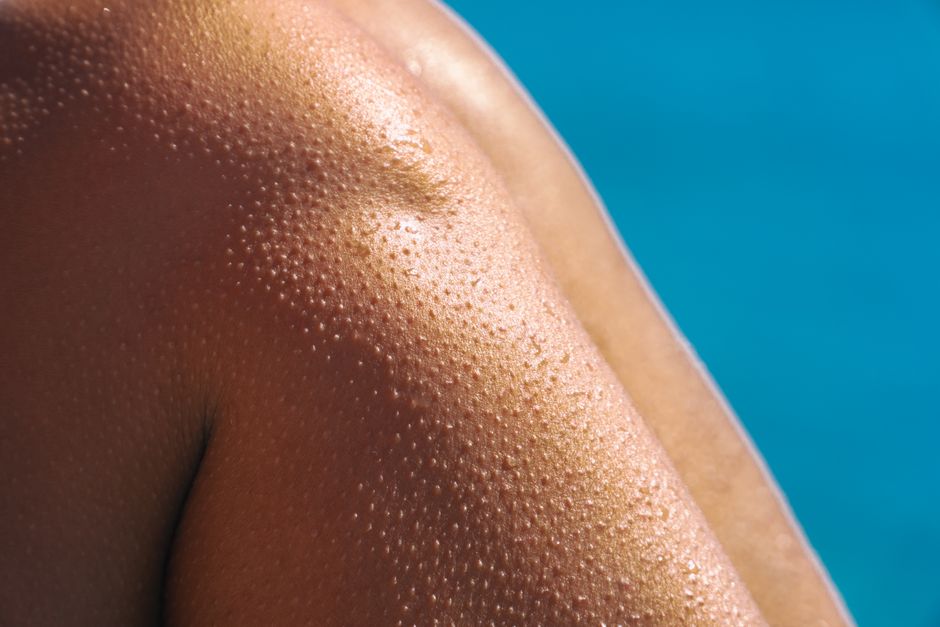
Red spots on the skin are one of the most common reasons people ask a doctor or pharmacist for advice. They appear when small blood vessels near the skin’s surface widen, leak, or become inflamed, or when the skin itself reacts to an irritant, allergen, or infection. Most red spots are harmless and temporary. A smaller number point to a condition that needs medical care, which is why the pattern, location, and timing of the spots matter more than the color itself.
Your skin has a dense network of tiny blood vessels called capillaries. When they dilate, blood flow to that patch increases and the skin looks red. When they leak a small amount of blood, you get a flat red or purple mark. When the immune system sends inflammatory cells into the skin, you get redness plus swelling, itching, or warmth. Almost every red spot you will ever see comes from one of those three processes.
Why Does My Skin Have Red Spots Common Causes?
The most frequent causes of scattered red spots are irritation, allergic reactions, insect bites, and common skin conditions like eczema and acne. Together these account for a large share of everyday cases. None of them are contagious in the way a cold is, and most settle within days to a few weeks.
Here is what each one actually does to the skin:
- Contact irritation — soaps, detergents, fragrances, and rough fabrics strip the skin’s outer barrier. The skin responds with redness and sometimes stinging. It is not an allergy and can happen to anyone with enough exposure.
- Allergic contact dermatitis — this is an immune reaction, often to nickel in jewelry, certain preservatives, or poison ivy. It usually appears 24 to 72 hours after contact and is intensely itchy.
- Insect bites — a red bump with a central puncture, often in lines or clusters on exposed skin.
- Eczema (atopic dermatitis) — dry, red, itchy patches, usually in the elbow creases, behind the knees, or on the hands.
- Acne — red papules and pustules where hair follicles become blocked and inflamed, mostly on the face, chest, and back.
- Keratosis pilaris — tiny rough red bumps on the upper arms and thighs. Very common and entirely harmless.
One clarification worth knowing: redness that fades when you press on it with a clear glass or fingertip is called blanching. It usually means the blood is still inside the vessels, which points toward inflammation or dilation. Red or purple spots that do not fade when pressed are called petechiae or purpura, and those come from blood leaking outside the vessels. That distinction is one of the most useful things a clinician checks first.
When Are Red Spots a Sign of Something More Serious?
Most red spots are not dangerous. A specific set of features should prompt a medical evaluation rather than a wait-and-see approach. These are the patterns clinicians are trained to take seriously.
- Spots that do not fade when you press on them (petechiae or purpura)
- Spots that spread quickly over hours or a day
- Red spots accompanied by fever, confusion, stiff neck, or feeling very unwell
- A spot that is new, changing in shape or color, bleeding, or not healing after several weeks
- Bruising or bleeding without an obvious injury
- Spots on the palms, soles, or inside the mouth along with other symptoms
Non-blanching spots with fever are a medical emergency and need urgent assessment. This combination can, in rare cases, indicate a serious infection such as meningococcal disease, and it should never be watched at home. The same applies to a rapidly spreading rash with a feeling of severe illness.
A single persistent red patch that grows or changes deserves a skin check. Skin cancer does not always look like a dark mole. Some forms, including certain basal cell and squamous cell cancers, can present as a red scaly patch or a small sore that keeps scabbing. These are usually slow-growing and highly treatable when caught early.
What Common Skin Conditions Cause Red Spots?
Several well-defined conditions produce red spots as their main feature. Knowing which pattern fits helps narrow things down, though a diagnosis still needs a clinician’s eyes.
Rosacea
Rosacea causes persistent redness across the nose and cheeks, often with small red bumps that look like acne but are not. It tends to flare with heat, sun, alcohol, and spicy food. It is most common in adults with fair skin and usually begins after age 30. The exact cause is not fully understood, but abnormal blood vessel behavior and immune activity in the skin both play a role.
Psoriasis
Psoriasis produces well-defined red plaques with silvery scale, typically on the elbows, knees, and scalp. It is an immune-mediated condition, not an infection, and it is not contagious. Some people also get joint symptoms, which is why psoriasis is worth discussing with a doctor rather than treating only with creams.
Folliculitis
Folliculitis is inflammation of hair follicles. It shows up as small red bumps or pus-filled spots around hair follicles, often after shaving, in hot tubs, or from sweat and friction. Most cases are mild and settle on their own. Widespread or recurrent cases may need medical assessment.
Heat rash
Heat rash (prickly heat) happens when sweat ducts become blocked in hot, humid conditions. It appears as tiny red bumps in skin folds and areas where clothing rubs. It resolves once the skin cools and dries.
Hives
Hives are raised, itchy red welts that move around and change shape within hours. They are usually an allergic or immune reaction. A single episode is common and often has no identifiable cause. Hives that come with swelling of the lips, tongue, or throat, or with trouble breathing, need emergency care.





Can Infections Cause Red Spots on the Skin?
Yes. Many infections produce a rash, and the rash is sometimes the first clue. Viral illnesses are the most common infectious cause in both children and adults. Measles, rubella, chickenpox, and several other viruses each produce recognizable patterns, though not every case looks textbook.
Bacterial infections can also cause red spots. Impetigo produces red sores that crust over, usually around the nose and mouth. Scarlet fever, which follows a strep throat infection, causes a fine red rash that feels like sandpaper. Fungal infections such as ringworm cause ring-shaped red patches with a clearer center.
The key point: an infection-related rash usually comes with other symptoms — fever, sore throat, cough, or feeling generally unwell. A rash alone, in someone who otherwise feels fine, is much less likely to be infectious.
What About Blood Vessel and Blood-Related Causes?
Some red spots come from the blood vessels themselves rather than the skin’s surface. These are the ones that do not blanch when pressed.
Petechiae are tiny pinhead-sized spots caused by minor capillary bleeding. They can follow a bout of coughing or vomiting, or appear in areas where clothing or straps press hard. In those cases they are usually harmless and fade over days. The same appearance, however, can occur with low platelet counts or bleeding disorders, so petechiae that appear without an obvious cause, spread, or come with bruising elsewhere should be checked.
Cherry angiomas are small, bright red, dome-shaped spots made of tiny blood vessels. They are extremely common with age and are harmless. They do not need treatment unless they bleed or bother you cosmetically.
Spider veins are small dilated vessels that look like fine red or blue branches, most often on the legs and face. They are usually a cosmetic concern rather than a health problem.
How Are Red Spots Evaluated and Treated?
Evaluation starts with the pattern. A clinician looks at where the spots are, how they are shaped, whether they blanch, how long they have been present, and what other symptoms accompany them. That history often narrows the list to a handful of possibilities before any test is ordered.
Treatment depends entirely on the cause, and this is where people often go wrong. A steroid cream that helps eczema can worsen a fungal infection. An antibiotic does nothing for a viral rash. Antihistamines help hives and allergic reactions but do little for rosacea or psoriasis. Matching the treatment to the cause is the whole game.
General measures that support skin recovery across most causes include:
- Gentle, fragrance-free cleansers and moisturizers
- Avoiding known irritants and allergens
- Sun protection, since ultraviolet light can trigger or worsen several conditions
- Not scratching, which can break the skin and invite infection
For anything that persists beyond a few weeks, spreads, changes, or comes with systemic symptoms, see a clinician. A pharmacist can often advise on simple rashes, but persistent or unusual spots need a proper examination.
One thing worth being honest about: home remedies for red spots are widely shared online, but very few have been tested in controlled trials. Some, like cool compresses for heat rash or hives, are reasonable and low-risk. Others, like applying strong acids or essential oils to the skin, can cause burns or allergic reactions. The evidence for most is thin at best.
Frequently Asked Questions
Why do red spots appear suddenly on my skin?
Sudden red spots most often come from an allergic reaction, insect bites, heat rash, or a viral illness. If they spread quickly or come with fever, get medical help right away.
How can I tell if a red spot is serious?
Press on it with a clear glass. If it does not fade, or if it comes with fever, rapid spread, or feeling unwell, it needs urgent assessment. A single spot that grows or does not heal should also be checked.
Are red spots on the skin always a sign of an allergy?
No. Allergies are one cause among many, and most red spots are not allergic in origin. Irritation, infection, and common skin conditions like eczema and rosacea are frequent causes too.
Do red spots go away on their own?
Many do, especially those from irritation, heat rash, or minor insect bites, which usually settle within days. Spots that persist for weeks, spread, or keep returning should be evaluated by a clinician.
