
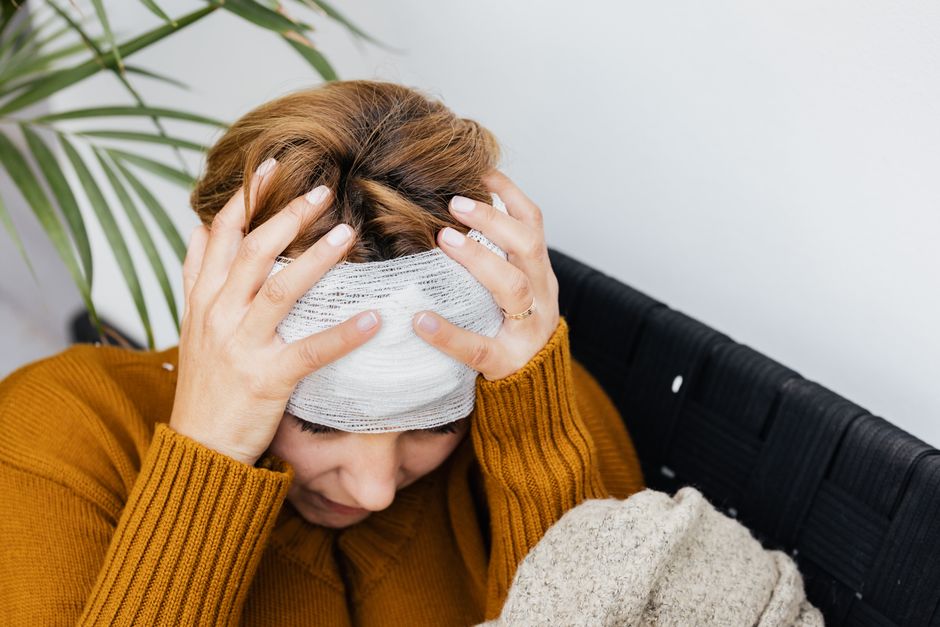
If your scalp hurts when you touch your hair, the cause is usually irritation or inflammation of the scalp itself or of the tiny nerve endings that sit just under the skin. The scalp is packed with blood vessels, hair follicles, oil glands, and nerve fibers, so it can hurt for many reasons. Common triggers include skin conditions, tight hairstyles, scalp infections, and a nerve-related problem called trichodynia. The pain is real, and in most cases it has a nameable cause.
That last point matters. A scalp that hurts to the touch is not something to simply ignore or push through. It is a signal, and the job is to figure out what is signaling.
Why Does My Scalp Hurt When I Touch My Hair?
Pain on contact means something in the scalp has become sensitive. The scalp skin is thin, richly supplied with blood, and loaded with sensory nerves. When those nerves get irritated, inflamed, or compressed, even light touch — brushing, washing, resting your head on a pillow — can register as pain.
Doctors group the causes into a few broad buckets. There are skin conditions that inflame the surface. There are structural issues like tight hair styles pulling on follicles. There are infections. And there is a category where the scalp looks completely normal but still hurts. That last one is common and often misunderstood.
The medical term for scalp pain without visible skin changes is trichodynia. It is sometimes called scalp dysesthesia. The scalp looks fine, but it hurts. This is a real diagnosis, not a vague complaint, and it is frequently linked to other conditions rather than being a standalone disease.
What Skin Conditions Cause a Tender Scalp?
Several skin conditions can make the scalp sore to the touch. These are the ones most likely to show visible signs like flaking, redness, or bumps.
- Seborrheic dermatitis. This is the medical name for most dandruff and cradle cap. It causes flaking, redness, and sometimes itching or soreness. It is driven partly by a yeast that lives on the scalp called Malassezia.
- Psoriasis of the scalp. This causes thick, silvery scales and red patches. It can be quite painful, and scratching can make it worse.
- Contact dermatitis. A reaction to hair dye, shampoo, conditioner, or styling products. It can cause burning, itching, and tenderness.
- Folliculitis. Inflammation or infection of the hair follicles. It shows up as small red bumps or pimples on the scalp and can be tender to touch.
Each of these has a different appearance and a different treatment path. That is why a doctor who can actually look at the scalp has an advantage over a description.
Can a Tight Hairstyle Cause Scalp Pain?
Yes, and this is one of the most common and most preventable causes. Hairstyles that pull the hair tight — braids, tight ponytails, buns, weaves, and some extensions — put constant tension on the hair follicles.
That tension can cause a condition called traction alopecia. Early on, it causes pain and tenderness. Over time, repeated pulling can damage the follicle permanently and lead to hair loss. The pain is often the first warning sign.
The fix is straightforward: loosen the style, take breaks between tight styles, and avoid pulling the hair back tightly on a regular basis. If the pain continues after loosening, or if you notice thinning at the edges, that is worth a medical visit.





When Is Scalp Pain a Sign of Something More Serious?
Most scalp tenderness is not dangerous. But a few causes need prompt medical attention, and it helps to know the warning signs.
Scalp infections can cause pain along with redness, swelling, warmth, and sometimes pus or crusting. A bacterial infection may need antibiotics. A fungal infection of the scalp, called tinea capitis, is more common in children but can affect adults and usually requires prescription antifungal treatment.
Shingles can affect the scalp. It typically causes a painful, burning, or tingling sensation on one side, often followed by a rash with blisters. Shingles on the scalp or forehead is considered a medical urgency because it can threaten vision if it involves the eye area.
Seek medical care promptly if you have scalp pain along with any of these:
- A rash, blisters, or open sores
- Fever or feeling generally unwell
- Rapid swelling or spreading redness
- Severe pain that comes on suddenly
- Vision changes or eye pain
These signs do not confirm a specific diagnosis on their own, but they are reasons to be seen rather than to wait.
What Is Trichodynia and Why Does a Normal Scalp Hurt?
Trichodynia is scalp pain or discomfort in the absence of visible skin disease. The scalp looks normal, yet it hurts. This is the confusing part for many people, and it is why some are told nothing is wrong when something clearly is.
Research suggests trichodynia often travels with other conditions rather than appearing alone. It has been associated with hair loss conditions, particularly telogen effluvium and androgenetic alopecia, as well as with anxiety, depression, and stress. Some studies indicate a link between trichodynia and psychological distress, though the relationship is not fully understood. It is not clear whether the distress causes the pain, the pain causes the distress, or both share an underlying trigger.
There is also a nerve-related explanation. The scalp is supplied by several sensory nerves, including branches of the trigeminal nerve and the occipital nerves. When these nerves become irritated or inflamed, the result can be pain that feels like burning, tingling, or tenderness to touch. One example is occipital neuralgia, which causes sharp, electric-shock-like pain at the back of the head that can spread across the scalp. It is a distinct diagnosis from ordinary scalp tenderness.
This is the non-obvious part: a scalp that hurts to touch is not always a skin problem. Sometimes the skin is fine and the nerves underneath are the issue. That changes which specialist you might need to see.
How Is Scalp Pain Evaluated and Treated?
Treatment depends entirely on the cause, which is why evaluation comes first. A doctor will usually ask about your hair care routine, recent products, stress levels, and other health conditions, then examine the scalp directly.
Depending on what is found, approaches may include:
- Medicated shampoos for seborrheic dermatitis, often containing ingredients like ketoconazole, zinc pyrithione, or selenium sulfide.
- Topical steroids for inflammatory conditions like psoriasis or contact dermatitis, used short-term under medical guidance.
- Antibiotics or antifungals for infections.
- Loosening hairstyles and reducing tension for traction-related pain.
- Pain management for nerve-related causes, which may include specific medications a doctor prescribes.
It is worth being honest about the evidence here. For trichodynia specifically, there is no single established treatment that reliably works for everyone. Some clinicians treat it by addressing the underlying hair loss or the associated anxiety or depression, and some use topical or oral medications. The evidence base is limited, and what helps one person may not help another. This is an area where medical guidance matters more than internet remedies.
What you should not do is assume a product marketed for “scalp health” will fix it. No study has confirmed that most over-the-counter scalp serums resolve pain that has an underlying medical cause.
What Can You Do at Home While You Figure It Out?
While you are sorting out the cause, a few gentle steps can reduce irritation without masking a problem.
- Wash with lukewarm water, not hot. Heat can worsen irritation.
- Use a gentle, fragrance-free shampoo and skip harsh styling products for now.
- Avoid tight hairstyles, and let your hair down when you can.
- Do not scratch. Scratching damages the skin barrier and can turn irritation into infection.
- Keep a simple note of when the pain started and what makes it better or worse. This helps a doctor.
These steps manage symptoms. They do not treat an infection or a nerve condition, so they are not a substitute for a diagnosis if the pain persists or worsens.
Frequently Asked Questions
Why does my scalp hurt when I touch my hair but there is no rash?
Scalp pain without a visible rash is often trichodynia, which means the scalp hurts even though the skin looks normal. It is frequently linked to hair loss conditions, stress, or nerve irritation rather than a surface skin problem.
Can stress make my scalp hurt?
Stress is commonly associated with scalp tenderness, and some studies link trichodynia with anxiety and depression. The exact relationship is not fully understood, so stress may contribute to the pain without being the only cause.
How long does scalp pain usually last?
There is no single timeline because it depends on the cause. Pain from a tight hairstyle often eases within days of loosening the style, while skin conditions and nerve-related pain may need treatment and can last longer.
When should I see a doctor for scalp pain?
See a doctor if the pain is severe, comes on suddenly, or comes with a rash, blisters, swelling, fever, or vision changes. Also see one if the pain persists or you notice hair loss.
