
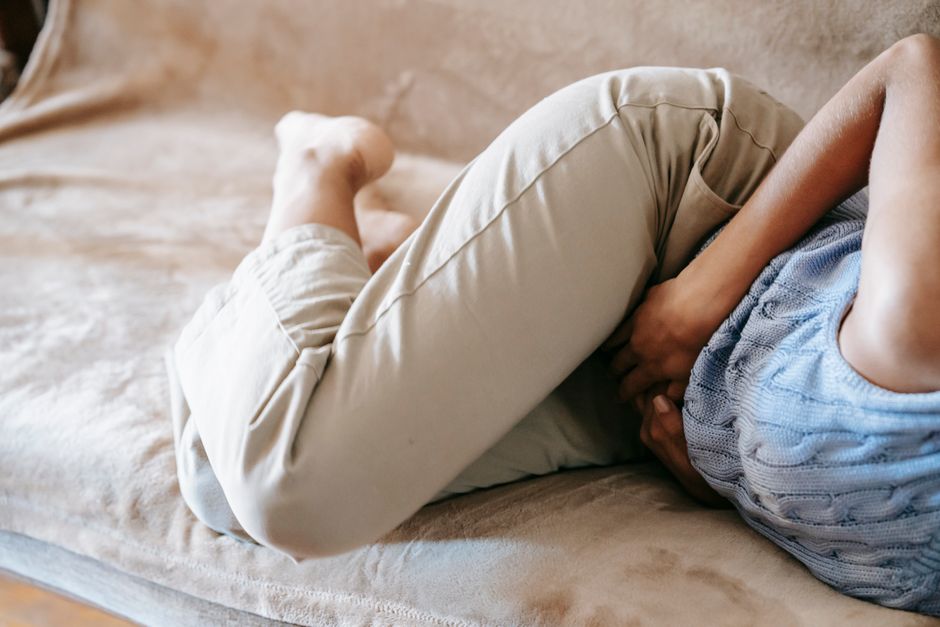
Left hip pain is common, and the cause is not always where it hurts. The hip joint sits deep in the groin, so pain from the joint itself is often felt in the front of the thigh or the groin, not the side of the buttock. Pain on the outer side of the hip is usually from muscles, tendons, or bursa tissue near the joint. This article covers the most likely causes of left hip pain, how doctors tell them apart, and when you need medical attention.
Why Does My Left Hip Hurt? Causes And Diagnosis
The location of your pain is the first clue. Pain in the groin or front of the thigh usually points to the hip joint itself. Pain on the outer hip or buttock is more likely from soft tissue around the joint. Pain in the lower back or buttock can come from the spine, even when it feels like hip pain.
Doctors call this “referred pain.” The nerves that supply the hip and the lower back overlap. A problem in the lumbar spine can send pain into the hip area. This is why a proper diagnosis matters. Treating the hip when the problem is the spine will not help.
What Causes Pain On The Outer Side Of The Hip?
Pain on the outside of the hip is most often from the trochanteric bursa or the gluteal tendons. The bursa is a fluid-filled sac that cushions the tendon as it passes over the bone. When it becomes irritated, the condition is called trochanteric bursitis. The gluteal tendons attach the buttock muscles to the hip bone. Tendon irritation or small tears cause similar pain.
Both conditions produce pain on the outer hip that worsens when you lie on that side, climb stairs, or stand for long periods. The area may feel tender when pressed. This pain rarely comes from the hip joint itself.
Some research suggests that many cases diagnosed as bursitis are actually gluteal tendinopathy. The distinction matters because treatment differs slightly. Both usually improve with physical therapy that strengthens the gluteal muscles.
When Hip Pain Comes From The Joint Itself
Osteoarthritis is the most common reason the hip joint itself hurts. The cartilage that covers the ends of the bones wears down over time. Bone rubs against bone, causing pain and stiffness. This pain is typically felt in the groin and can travel down the front of the thigh to the knee.
Osteoarthritis pain is usually worse in the morning and after sitting for a while. It improves with movement and worsens again with activity. The hip may feel stiff, and you might notice a limited range of motion. X-rays can confirm the diagnosis by showing narrowed joint space and bone spurs.
Another joint-related cause is femoroacetabular impingement, sometimes called hip impingement. Extra bone forms on the femoral head or the socket. This bone rubs against the cartilage during movement, especially with deep bending or prolonged sitting. It is more common in younger, active adults.
Labral tears are another possibility. The labrum is a ring of cartilage that lines the socket. It can tear from injury or from repetitive twisting motions. Labral tears cause a deep catching or clicking sensation in the groin.




Can Lower Back Problems Cause Left Hip Pain?
Yes. The lumbar spine is a common source of pain that people mistake for hip pain. A herniated disc or spinal stenosis can compress nerves that travel to the hip and leg. The pain often feels like it comes from the buttock or the side of the hip.
The distinction is important. Hip joint pain usually limits internal rotation of the leg. Back-related pain often worsens with certain spinal movements, like bending forward or twisting. A doctor can test both areas during an exam to narrow down the source.
Sciatica is a specific type of nerve pain that follows the path of the sciatic nerve. It runs from the lower back through the buttock and down the back of the leg. When the nerve is irritated, pain can radiate into the hip area. This is not a hip problem, but it feels like one.
Less Common But Serious Causes Of Hip Pain
Some causes of hip pain require urgent attention. Avascular necrosis happens when the blood supply to the femoral head is interrupted. The bone dies and collapses. This causes severe pain and requires prompt treatment. Risk factors include long-term steroid use, heavy alcohol use, and prior hip trauma.
A hip fracture is another serious possibility, especially in older adults. The pain is sudden and severe, and you cannot bear weight on the leg. This requires immediate medical care.
Infection in the joint, called septic arthritis, is rare but dangerous. It causes severe pain, fever, and an inability to move the joint. This is a medical emergency.
In children and teenagers, hip pain can signal conditions like Legg-Calvé-Perthes disease or a slipped capital femoral epiphysis. These require prompt evaluation by a specialist.
How Is Hip Pain Diagnosed?
The diagnosis starts with a history and physical exam. Your doctor will ask where the pain is, when it started, and what makes it worse. They will test your range of motion, strength, and how you walk.
Imaging helps confirm the diagnosis. X-rays show bone structure and joint space. They can reveal osteoarthritis, fractures, and bone spurs. An MRI shows soft tissue like tendons, cartilage, and the labrum. Ultrasound can evaluate tendons and bursa in real time.
In some cases, a doctor may inject a small amount of numbing medication into the joint. If the pain goes away, the hip joint is likely the source. This is called a diagnostic injection.
What You Can Do For Left Hip Pain At Home
For mild pain from muscle strain or bursitis, rest and over-the-counter anti-inflammatory medication can help. Ibuprofen and naproxen reduce inflammation and pain. Acetaminophen relieves pain but does not reduce inflammation. Follow the dosing instructions on the label.
Ice can reduce acute pain and swelling. Apply it for 15 to 20 minutes several times a day. Heat may help with stiffness but is less useful for active inflammation.
Physical therapy is the most evidence-based treatment for most causes of hip pain. A therapist can identify weak muscles and movement patterns that contribute to pain. Strengthening the gluteal muscles and improving hip mobility often resolves pain that medication alone cannot.
For osteoarthritis, maintaining a healthy weight reduces stress on the joint. Low-impact exercise like swimming or cycling keeps the joint moving without heavy impact. Walking aids like a cane in the opposite hand can reduce load on the painful hip.
When To See A Doctor For Left Hip Pain
See a doctor if the pain lasts more than a few weeks, limits your daily activities, or does not improve with rest and home care. Seek immediate care if you cannot bear weight on the leg, have fever, or the pain came on suddenly after an injury.
Sudden severe pain with swelling and redness could signal an infection or fracture. These require urgent evaluation. Do not wait to see if it improves.
If you have had hip replacement surgery and develop new pain, contact your surgeon. Pain after a joint replacement can indicate loosening or infection that needs prompt attention.
Frequently Asked Questions
Why does my left hip hurt when I lie on it?
Pain when lying on the affected side is most often from trochanteric bursitis or gluteal tendinopathy. These are soft tissue conditions on the outer hip that respond to pressure.
Can hip pain be caused by something other than the hip?
Yes. The lower back, sacroiliac joint, and even the pelvis can send pain to the hip area. A doctor can distinguish these during an exam.
Is left hip pain a sign of heart problems?
Heart attacks rarely cause isolated hip pain. Cardiac pain typically involves the chest, arm, jaw, or back. If you have chest pressure, shortness of breath, or nausea with any pain, seek emergency care.
How long does hip bursitis take to heal?
With rest, physical therapy, and activity modification, most cases improve over several weeks to a couple of months. Some cases take longer, especially if the underlying muscle weakness is not addressed.
