
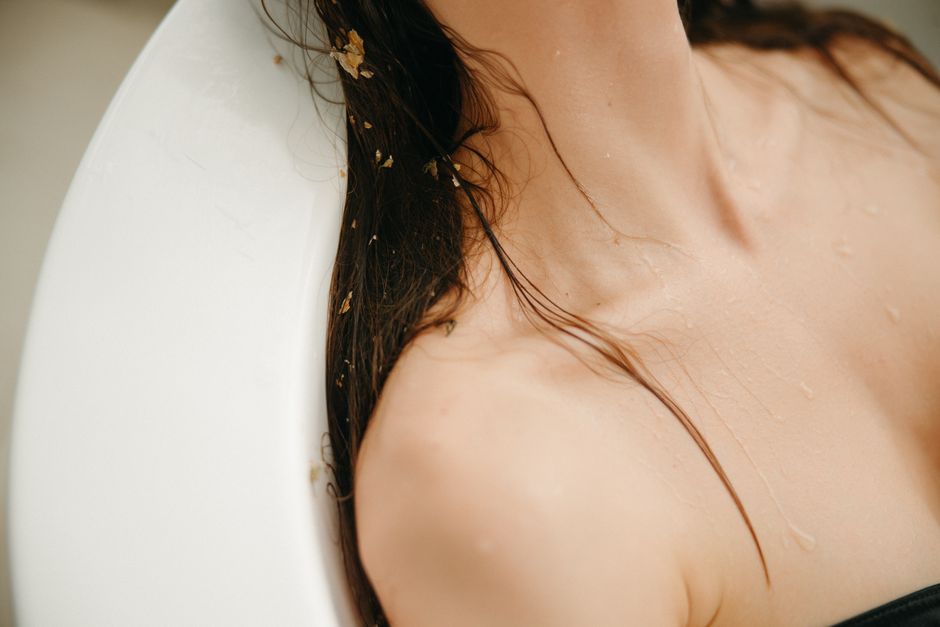
Dandruff can feel like a frustrating mystery. You wash your hair, and within hours or days, those white flakes are back on your shoulders. The truth is that dandruff is rarely about poor hygiene. It is usually a combination of how your scalp produces oil, how it reacts to a common fungus, and how sensitive your skin is. Understanding the specific root cause for your scalp is the first real step toward managing it effectively.
What Actually Causes Dandruff to Form?
Dandruff is a skin condition of the scalp, not a hair problem. The flakes you see are clumps of dead skin cells that shed faster than normal.
Skin cells on your scalp constantly renew themselves. In most people, this process is slow and invisible. In people with dandruff, the cell turnover speeds up dramatically. The body produces new skin cells before the old ones have fully matured and detached. This causes visible clumps of oily, sticky skin cells to accumulate on the surface.
The primary trigger for this rapid turnover is a yeast called Malassezia. This fungus lives on the scalps of most adults. It feeds on the natural oils, or sebum, that your hair follicles produce. For most people, Malassezia causes no problems. But in some people, the yeast irritates the scalp, and the skin responds by producing new cells too quickly.
That fast production creates the flakes. It also often creates the itching and redness that come with dandruff.
Why Does My Hair Have So Much Dandruff: Root Causes
Several factors can make your scalp more reactive to Malassezia or increase the oil production that feeds it. Identifying which ones apply to you helps explain why your dandruff seems worse than other people’s.
Seborrheic Dermatitis
Dandruff is actually the mild form of a broader skin condition called seborrheic dermatitis. When seborrheic dermatitis affects the scalp, it causes the same flaking but often with more redness and inflammation. The difference is often just severity. Both conditions share the same underlying cause: an inflammatory reaction to Malassezia.
People with seborrheic dermatitis may also notice flaking in other oily areas, like the eyebrows, sides of the nose, or behind the ears.
Oily Scalp and Hormones
Malassezia feeds on oil. The more sebum your scalp produces, the more food the yeast has, and the more it multiplies. Some people naturally produce more oil than others.
Hormones influence sebum production. Androgens, which are present in both men and women, stimulate the sebaceous glands. During puberty, hormone levels rise, which is why dandruff often first appears in the teenage years. Hormonal fluctuations in adulthood can also change oil production and worsen flaking.
Sensitivity, Not Just Presence
Everyone has Malassezia on their scalp. The difference between a flaky scalp and a clear one is not whether the yeast is present. It is how your skin reacts to it.
Research indicates that people with dandruff have a higher concentration of Malassezia, but that is only part of the story. Their immune system also mounts a stronger inflammatory response to the yeast. This sensitivity can be genetic. If your parents had dandruff, you are more likely to develop it too.
This explains why two people with identical scalps can have completely different experiences. One reacts to the yeast; the other does not.
Skin Barrier Function
The outermost layer of your scalp skin acts as a barrier. It keeps water in and irritants out. In people with dandruff, this barrier is often compromised.
A weaker barrier allows Malassezia byproducts, like oleic acid, to penetrate deeper into the skin. This triggers the inflammatory response and the rapid cell turnover. Harsh shampoos, excessive scratching, and even cold, dry weather can all weaken this barrier and make dandruff worse.
Is It Dandruff or a Dry Scalp?
Many people confuse dandruff with a dry scalp. They are different conditions with different treatments.
Dry scalp is a lack of moisture. The skin becomes tight, itchy, and produces small, dry, white flakes. These flakes are small and powdery. They fall out easily and do not look greasy.
Dandruff flakes are larger, oilier, and often yellowish. They stick to the scalp and hair rather than falling off immediately. Dry scalp is often caused by cold weather, harsh soaps, or dehydration. Dandruff is caused by the reaction to Malassezia.
Using a moisturizing shampoo for dandruff will not help if you have a dry scalp. Using an anti-dandruff shampoo on a dry scalp can make the dryness worse because many of these products are designed to reduce oil.
If you are unsure, look at the flakes. Greasy and yellow means dandruff. Dry and powdery means dry scalp.





How to Treat the Root Cause Effectively
Because dandruff is caused by an overgrowth of yeast and an inflammatory response, treatment focuses on reducing the yeast population and calming the inflammation.
Over-the-counter dandruff shampoos are the first line of treatment. They contain active ingredients that target different parts of the problem.
- Zinc pyrithione reduces the growth of Malassezia.
- Ketoconazole is an antifungal that directly kills the yeast.
- Selenium sulfide slows down cell turnover and reduces the yeast.
- Salicylic acid helps remove existing flakes but does not address the yeast.
- Coal tar slows rapid cell turnover and reduces scaling.
Most anti-dandruff shampoos need to be left on the scalp for three to five minutes before rinsing. This gives the active ingredient time to work. Washing it off immediately reduces its effectiveness significantly.
If one ingredient does not work after a few weeks, try a different one. Some people respond better to ketoconazole, while others respond to zinc pyrithione. You may need to rotate between two different active ingredients if your scalp builds tolerance to one.
For persistent cases, a dermatologist can prescribe stronger versions of these ingredients or a topical steroid to reduce inflammation quickly.
Daily Habits That Make Dandruff Worse
Treatment is important, but certain habits can undermine your efforts.
Washing your hair too infrequently allows oil to build up. This provides more food for Malassezia. If you have dandruff, you may need to wash your hair more often than someone without it. Washing daily or every other day with a gentle shampoo can help control oil levels.
Scratching your scalp makes things worse. Scratching damages the skin barrier and increases inflammation. It also causes more flaking because the damaged skin tries to repair itself by producing even more new cells.
Heat styling tools can dry out the scalp and irritate it. This does not cause dandruff, but it can worsen the inflammation if you already have it.
Diet does not directly cause dandruff, but some studies suggest that certain foods may influence inflammation in the body. The evidence here is limited. No specific diet has been proven to cure dandruff. A balanced diet that supports overall skin health is a reasonable approach, but it should not replace medicated shampoos.
When to See a Dermatologist
Most dandruff is manageable at home. But there are times when you need professional help.
See a dermatologist if your scalp is severely red, swollen, or painful. See one if you have thick crusts or plaques on your scalp. See one if your hair is thinning or falling out in patches.
These symptoms could indicate a different condition, such as psoriasis, a fungal infection, or contact dermatitis. These conditions look similar to dandruff but require different treatments.
A dermatologist can also help if over-the-counter products have not worked after several weeks of consistent use. They can prescribe stronger treatments that are not available without a prescription.
Frequently Asked Questions
Can stress cause dandruff to get worse?
Yes, stress does not cause dandruff, but it can trigger a flare-up or make existing dandruff worse. Stress affects your immune system and can increase inflammation, which worsens the scalp’s reaction to Malassezia.
Is dandruff a sign of poor hygiene?
No, dandruff is not caused by poor hygiene. It is caused by an inflammatory reaction to a fungus that naturally lives on your scalp, and it can occur even with regular washing.
How often should I wash my hair if I have dandruff?
Washing more frequently can help control the oil that feeds the yeast. Many people with dandruff benefit from washing daily or every other day with an anti-dandruff shampoo.
Can dandruff cause hair loss?
Dandruff itself does not cause permanent hair loss. However, severe itching and scratching can damage hair follicles temporarily, which may lead to some shedding. Treating the dandruff usually resolves this.
