
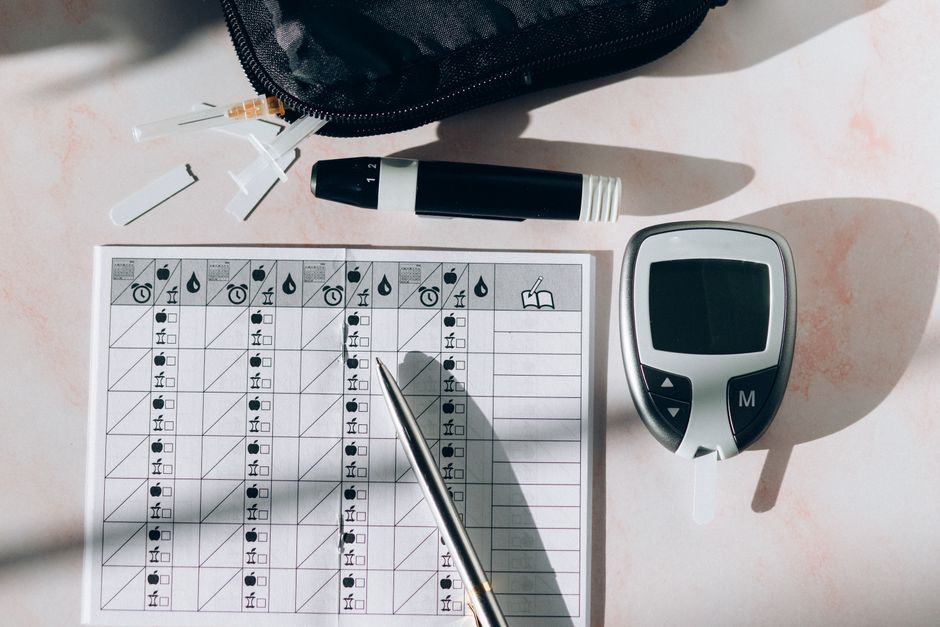
Your blood glucose keeps dropping because the balance between glucose entering your blood and glucose leaving it has tipped. Insulin or certain diabetes medications moving glucose out of the blood too fast is the most common cause in people with diabetes. In people without diabetes, the usual explanations are skipping meals, drinking alcohol without food, intense exercise, and — less often — a hormonal or metabolic condition. Most episodes are mild and correctable. Some are not, and the pattern matters more than any single reading.
Glucose is the body’s main fuel. Levels normally rise after you eat and settle back into a narrow range as insulin does its job. When that range keeps dipping below normal, something in the system is out of step. Finding out which part is the whole point.
Why Does My Glucose Keep Dropping Common Causes?
The most common cause of repeated low glucose is medication. In people with diabetes, insulin and drugs in the sulfonylurea class (such as glipizide and glyburide) can push glucose down further than intended. The dose may be too high, the timing may not match meals, or the body’s needs may have changed since the prescription was written.
That last point gets overlooked. A dose that worked well for years can become too much after weight loss, improved kidney function, or simply getting older. Clinicians sometimes call this “dose creep” in reverse — the person changed, the prescription did not.
Other common causes include:
- Skipping or delaying meals while taking glucose-lowering medication
- Alcohol, especially on an empty stomach — the liver pauses glucose production while it processes alcohol
- Unaccustomed or prolonged exercise, which can lower glucose for hours afterward and sometimes overnight
- Eating less than usual during illness or after appetite changes
- Kidney problems, which can slow how long insulin stays in the body
In people without diabetes, repeated lows are less common and usually have a different explanation. It is worth being precise here: true hypoglycemia in people without diabetes is uncommon, and it is often diagnosed when it should not be. A meter reading that looks low in someone who feels fine is frequently a measurement artifact rather than a real event.
What Counts as Low Blood Glucose?
Clinical guidelines define hypoglycemia in people with diabetes as a glucose level below 70 mg/dL. This is the threshold used in standard diabetes care, and it applies whether or not you feel symptoms.
Severity is usually described in levels:
- Level 1 (mild): below 70 mg/dL but at or above 54 mg/dL
- Level 2 (clinically significant): below 54 mg/dL
- Level 3 (severe): any low that causes altered mental status or physical inability to treat yourself, regardless of the number
That third category matters. A person who is confused or cannot swallow safely needs help from someone else, and the exact glucose value is secondary to getting them treated.
For people without diabetes, there is no single universal cutoff applied the same way. Some clinical references describe a low glucose value in the 50s mg/dL as the point where symptoms typically appear in healthy adults, but the diagnosis depends on the full picture — symptoms, a measured low value, and relief when glucose rises. A number alone does not make the diagnosis.
What Makes Glucose Drop in People Without Diabetes?
In people without diabetes, the body has several defenses against low glucose. The liver releases stored glucose, the hormone glucagon signals more production, and the body reduces its own insulin output. When glucose still drops, one of these defenses is failing or being overwhelmed.
Reactive hypoglycemia — a drop within a few hours after eating — is often described in clinical practice, but the evidence behind it is thinner than its reputation suggests. Some studies suggest that in many people given this label, no true hypoglycemia can be documented when glucose is measured carefully. The symptoms are real; the mechanism is often something other than low glucose.
Other causes in people without diabetes include:
- Alcohol without food, which blocks the liver’s ability to release glucose
- Prolonged fasting or very low food intake
- Strenuous exercise, particularly in people unaccustomed to it
- Certain medical conditions affecting hormone production, such as adrenal insufficiency
- Some medications unrelated to diabetes
- After certain types of stomach or weight-loss surgery, where food moves through the gut faster than usual
If lows keep happening in someone without diabetes, that deserves a proper medical evaluation rather than dietary guesswork. The list above is a starting point for a conversation with a clinician, not a diagnosis.
What Are the Symptoms of Low Blood Glucose?
Symptoms of low glucose come in two waves. The first is the body’s alarm response — the release of adrenaline and related hormones as glucose falls. The second is the brain’s response when glucose drops further, because the brain depends on a steady supply.
Early, adrenaline-driven symptoms include:
- Shakiness and trembling
- Sweating, often sudden and cold
- Fast heartbeat
- Hunger
- Anxiety or irritability
- Tingling around the mouth
If glucose keeps falling, brain-related symptoms can follow: difficulty concentrating, confusion, slurred speech, blurred vision, unusual behavior, and in severe cases seizures or loss of consciousness. These are medical emergencies and need immediate help.
One important point: people who have had diabetes for many years may stop noticing early symptoms. This is called impaired awareness of hypoglycemia, and it develops because repeated lows blunt the body’s alarm response. It is a real and well-documented phenomenon, and it raises the risk of severe episodes because the warning signs arrive late or not at all.
How Is Repeated Low Glucose Treated?
A mild low is treated with fast-acting carbohydrate. Standard guidance is the 15-15 rule: take about 15 grams of fast-acting carbohydrate, wait 15 minutes, and recheck glucose. If it is still below 70 mg/dL, repeat. Once glucose is back in range, eat a small snack or meal if your next meal is more than an hour away.
Fifteen grams of carbohydrate looks like:
- About 4 ounces (half a cup) of juice or regular soda
- One tablespoon of sugar or honey
- Three or four glucose tablets, depending on the brand
Do not use candy, chocolate, or foods high in fat to treat a low. Fat slows absorption, and the glucose rise is slower than you need.
For a severe low where the person cannot swallow safely, this is an emergency. Call emergency services. Glucagon — available as an injection or a nasal spray — is prescribed for exactly this situation, and family members or coworkers can be trained to give it. Anyone who takes insulin or a sulfonylurea and has had a severe low should discuss a glucagon prescription with their clinician.
Treatment of repeated lows also means finding the cause. If medication is the driver, the fix is usually a dose or timing adjustment made by a clinician — not a decision to skip doses on your own.
When Should You See a Doctor?
See a clinician if you have repeated lows, any low that requires someone else’s help, or lows that happen without warning. Those patterns suggest the current plan needs review.
Also seek care if you have lows and do not have diabetes, if lows happen during sleep, or if you have a low while pregnant. No clinical guidelines currently exist for managing hypoglycemia specifically during pregnancy outside of diabetes care, so this needs individualized medical attention rather than general advice.
Bring records if you can. Note the time, what you ate, what you did that day, and the glucose value. Patterns are easier to spot with data than with memory.
Can You Prevent Repeated Lows?
Many repeated lows are preventable, and the strategies are practical rather than complicated. The core idea is matching your medication, food, and activity more closely.
- Do not skip meals when you take insulin or a sulfonylurea
- Check glucose before, during, and after unusual exercise, and discuss adjusting medication or snacks with your clinician
- Eat when you drink alcohol, and check glucose before bed after drinking
- Check glucose more often during illness, when eating and medication needs often change
- Carry fast-acting carbohydrate at all times if you are at risk
- Review your medication list with your clinician after any major change in weight, kidney function, or health status
Continuous glucose monitors have changed this picture for many people with diabetes. They can catch downward trends before symptoms start, which helps with prevention rather than reaction. Whether a monitor is appropriate for you is a conversation with your care team.
Frequently Asked Questions
Can low blood sugar happen without diabetes?
Yes, but it is uncommon and usually has a specific cause such as alcohol without food, prolonged fasting, strenuous exercise, or a hormonal condition. Repeated lows in someone without diabetes should be evaluated by a clinician rather than managed with diet changes alone.
What is the fastest way to raise low blood sugar?
Fast-acting carbohydrate such as juice, regular soda, glucose tablets, or a tablespoon of sugar works fastest. Standard guidance is 15 grams, then recheck after 15 minutes and repeat if glucose is still below 70 mg/dL.
Why does my blood sugar drop after eating?
A drop within a few hours of eating is often called reactive hypoglycemia, but documented true lows after meals are less common than the label suggests. Some studies indicate many people given this diagnosis do not have measurable hypoglycemia when tested carefully.
Can skipping meals cause low blood sugar?
Skipping meals can cause lows in people taking insulin or sulfonylureas, because the medication keeps lowering glucose while no food is arriving. In people without diabetes, the body’s normal defenses usually prevent glucose from dropping to dangerous levels during a skipped meal.
