
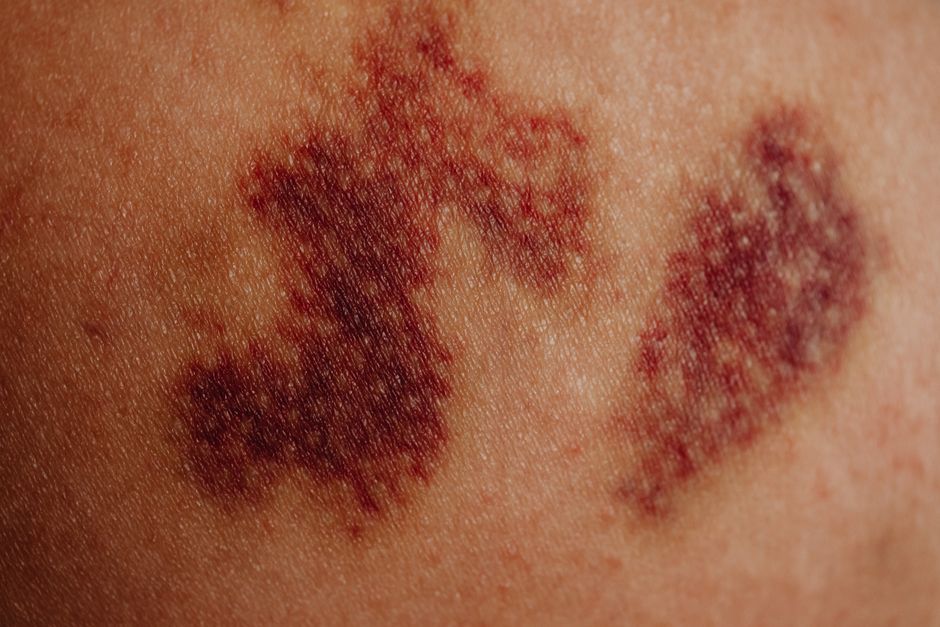
Blood does not have a smell of its own. The metallic scent people associate with blood comes from iron in the red blood cells reacting with the air and your skin oils. If you are noticing an unusual odor that seems to come from your blood, you are almost always smelling something else, like sweat, urine, or a wound infection. The blood itself rarely produces a distinct odor that you can detect. Understanding what actually causes these smells can help you figure out if a doctor’s visit is needed.
Why Does My Blood Stink Causes Of Unusual Odors?
When people say their blood smells bad, they usually mean a smell coming from their skin, a cut, or their breath. Blood inside your veins has no odor that you can smell from the outside. The smell only becomes noticeable when blood is exposed to air or when another bodily fluid mixes with it. The most common cause of a “stinky blood” smell is actually sweat mixed with blood on the skin, or a wound that is not healing cleanly.
A strong, foul odor from a wound is a serious warning sign. It often means bacteria are growing inside the wound, and an infection may be present. This is different from the normal metallic smell of fresh blood. If a wound smells sweet, musty, or like rotting, that points to infection and needs medical attention. Do not try to mask the smell with bandages or ointments. See a healthcare provider for proper evaluation.
What Causes the Metallic Smell of Blood?
The metallic smell of blood is well understood. Blood contains hemoglobin, which is the protein that carries oxygen. Hemoglobin is rich in iron. When blood leaves the body and hits the air, the iron oxidizes, similar to how a metal tool rusts. This chemical reaction produces a smell that most people describe as metallic or coppery.
This smell is completely normal. It is not a sign of disease or poor health. If you cut your finger and smell that metallic scent, that is just the iron in your blood reacting with oxygen. It does not indicate any problem with your blood or your health. The smell is the same for everyone, regardless of diet, age, or health status.
Why Does Blood Smell Sweet or Fruity on the Skin?
A sweet or fruity smell on the skin, especially when mixed with sweat, is often mistaken for a blood smell. This odor is frequently linked to a metabolic condition called ketoacidosis. This happens when the body cannot use sugar for energy and burns fat instead. This produces chemicals called ketones, which leave the body through breath and sweat.
Ketones have a distinct fruity or nail polish remover smell. This is most commonly associated with uncontrolled diabetes, particularly type 1 diabetes. If you notice a persistent fruity smell on your skin or breath, especially with increased thirst, frequent urination, or fatigue, this is a medical situation that needs prompt attention. Do not assume it is just a hygiene issue.
Some research also suggests that certain foods, like asparagus or garlic, can change the smell of sweat. These food-related smells are harmless. They are not related to blood quality. The key difference is that food smells fade within a day, while metabolic smells from ketones persist and are often accompanied by other symptoms.
Can an Infection Make Blood or Wounds Smell Bad?
Yes, infections can cause a very bad smell. When bacteria infect a wound, they break down tissue and produce waste products that have a strong, foul odor. This is often described as rotten, musty, or like decaying meat. This smell comes from the infected tissue and bacterial byproducts, not from the blood itself.
If you have a wound that is red, warm, swollen, or draining pus, and it smells bad, you likely have an infection. This requires medical treatment, which may include antibiotics. Do not attempt to treat a smelly infected wound at home with essential oils or herbal remedies. Home treatments will not eliminate the bacteria causing the odor. A healthcare provider needs to assess the wound and decide on the proper treatment.
In rare cases, a condition called anaerobic infection can produce a particularly foul smell. These bacteria thrive in low-oxygen environments, like deep puncture wounds. The odor is often described as extremely unpleasant and distinctive. Any foul-smelling wound, regardless of the specific bacteria, should be evaluated by a professional.
Why Does My Urine or Sweat Smell Like Blood?
Sometimes the smell people notice is not from blood at all. Urine with blood in it can have a strong, unusual odor. Blood in the urine, a condition called hematuria, can be a sign of a urinary tract infection, kidney stones, or other kidney issues. The smell comes from the urine mixed with blood and bacteria, not from the blood itself.
Sweat can also take on a strange smell when it mixes with certain conditions. For example, a condition called trimethylaminuria causes the body to produce a fishy odor. This is a rare metabolic disorder. It is not related to blood odor, but it can be mistaken for one. If you notice a persistent unusual body odor that is not explained by hygiene, diet, or a known medical condition, talk to a doctor. They can help identify the underlying cause.
When Should You See a Doctor About Unusual Odors?
You should see a doctor if a wound smells foul, if you notice a fruity odor on your breath or skin, or if you see blood in your urine. These are signs that something may be wrong. Do not wait for the smell to go away on its own, especially if you have other symptoms like fever, pain, or fatigue.
An unexplained change in your body odor that lasts more than a few days also warrants a check-up. While body odor is usually related to hygiene or diet, a sudden, persistent change can sometimes signal an underlying health issue. A doctor can run tests to rule out infections, metabolic conditions, or other problems. It is always better to get checked than to worry at home.
Can Diet Change the Smell of Blood or Sweat?
Diet can change the smell of sweat, urine, and breath, but it does not change the smell of blood. Foods like garlic, onions, and spices contain compounds that are released through your pores when you sweat. These compounds can make your sweat smell stronger or different. This is normal and harmless.
Some studies suggest that eating large amounts of red meat may slightly change the smell of sweat in some people. However, this is not a well-established finding, and it does not affect the blood itself. Your blood’s composition is tightly regulated by your body. What you eat does not make your blood smell different. If you are concerned about body odor, improving hygiene and checking for underlying conditions are more effective than changing your diet.
Is There a Connection Between Liver or Kidney Problems and Odor?
Yes, severe liver or kidney disease can cause distinct body odors. When the liver fails, it cannot filter toxins properly. This can cause a sweet, musty smell on the breath, sometimes described as like rotten eggs or garlic. This is called fetor hepaticus. It is a serious sign of advanced liver disease.
Kidney failure can cause a smell like ammonia or urine on the breath. This happens because waste products build up in the blood when the kidneys cannot filter them out. These odors are not coming from the blood itself, but from waste products being released through the breath and skin. These are serious medical conditions that require immediate care. If you have a known history of liver or kidney disease and notice these smells, seek medical help right away.
What About Vaginal Odor or Menstrual Blood Smell?
Menstrual blood has a distinct smell that is different from regular blood. This is because menstrual blood is not just blood. It also contains tissue from the uterine lining, cervical mucus, and vaginal bacteria. When this mixture leaves the body and is exposed to air, it can develop a stronger odor than fresh blood.
A mild, metallic, or slightly stale smell during menstruation is normal. A strong, fishy, or rotten smell may indicate an infection, such as bacterial vaginosis. If you notice a persistent foul odor along with unusual discharge, itching, or burning, see a healthcare provider. Do not use douches or scented products to mask the smell, as these can make the problem worse.
Frequently Asked Questions
Can you actually smell your own blood?
You can smell blood when it is exposed to air, such as from a cut or nosebleed, but you cannot smell blood inside your veins. The metallic smell comes from iron in the blood reacting with oxygen.
Why does my blood smell sweet?
A sweet or fruity smell on your skin or breath is not from your blood but from ketones, which are produced when your body burns fat for energy. This can be a sign of uncontrolled diabetes and needs medical attention.
Is a bad smell from a wound always an infection?
A foul smell from a wound is a strong indicator of infection, but it is not the only sign. Redness, swelling, warmth, and pus are also common signs, and you should have the wound evaluated by a healthcare provider.
Does what I eat make my blood smell?
No, your diet does not change the smell of your blood. Diet can change the smell of your sweat, urine, and breath, but your blood’s composition is tightly controlled by your body.
