
Standing up is something you do dozens of times a day without thinking. But for some people, that simple motion comes with a wave of dizziness, lightheadedness, or blurred vision. The medical name for this is orthostatic hypotension, and it happens when your blood pressure drops suddenly as you change position from sitting or lying down to standing. Your body normally adjusts to gravity within seconds, but when that adjustment fails or is too slow, your brain briefly does not get enough blood flow, and you feel it immediately.
What Exactly Happens in Your Body When You Stand?
When you stand up, gravity pulls blood down into your legs and lower body. Suddenly, less blood returns to your heart. Your heart has less to pump out, so blood pressure falls.
Your body has a rapid response system for this. Sensors in your neck and chest called baroreceptors detect the drop in pressure. They signal your brain, which tells your heart to beat faster and your blood vessels to tighten. This pushes blood back up to your brain. In a healthy person, this whole process takes just a few seconds, and blood pressure stabilizes before you even notice a change.
Orthostatic hypotension is diagnosed when your systolic blood pressure drops by at least 20 mmHg or your diastolic drops by at least 10 mmHg within three minutes of standing. That is the standard clinical definition used in medical practice.
Why Does My Blood Pressure Drop When I Stand Up?
Your blood pressure drops when you stand because the automatic reflex that counters gravity is not working fast enough or strongly enough. The blood pools in your lower body, your heart does not receive enough blood to pump, and your blood pressure falls before the corrective signals take effect.
This is not a disease itself. It is a sign that something is interfering with your body’s blood pressure regulation system. The cause can be as simple as dehydration or as complex as a neurological condition. Identifying the underlying cause matters more than treating the symptom alone.
Common Causes of Orthostatic Hypotension
Several everyday situations can trigger a drop in blood pressure when standing. Often, more than one factor is involved.
- Dehydration: When your blood volume is low, there is simply less fluid to push around. Even mild dehydration can slow the reflex that keeps blood pressure stable.
- Medications: Blood pressure drugs, diuretics, antidepressants, and medications for enlarged prostate are common culprits. Some alpha-blockers and beta-blockers directly affect the reflex that raises blood pressure when you stand.
- Prolonged bed rest: Lying down for days or weeks makes your blood vessels less responsive. Your body loses its practice adjusting to gravity.
- Heat exposure: Hot weather, hot showers, or saunas cause blood vessels to widen. This makes it harder for your body to tighten them when you stand.
- Age: Baroreceptors become less sensitive with age. Blood vessels also stiffen, which slows the entire adjustment process.
- Low blood sugar: Hypoglycemia can interfere with the nervous system signals that control blood pressure.
- Anemia: With fewer red blood cells, oxygen delivery to the brain is reduced, which can make the symptoms of a pressure drop more noticeable.
These causes are often temporary. If you fix the dehydration, adjust the medication, or recover from the illness, the blood pressure drop usually resolves.


When the Cause Is More Serious
Some underlying conditions damage the autonomic nervous system itself. This is the part of your nervous system that controls automatic functions like heart rate and blood vessel tone. When this system does not work properly, your body cannot mount the normal response to standing.
Conditions that can cause this include Parkinson’s disease, diabetes with nerve damage, and certain autoimmune disorders. In these cases, orthostatic hypotension is often a chronic issue that requires ongoing management rather than a one-time fix.
Blood loss from internal bleeding can also cause a sudden drop in blood pressure when standing. If you experience this along with severe fatigue, black stools, or vomiting blood, seek emergency care immediately.
Symptoms You Should Not Ignore
Mild dizziness that passes in a few seconds is common and usually harmless. But some symptoms signal that your brain is not getting enough blood for longer than it should.
Seek medical attention if you experience fainting, chest pain, shortness of breath, or weakness on one side of your body. Fainting carries a risk of injury from falling, especially in older adults. Repeated fainting episodes need a medical evaluation even if you recover quickly each time.
One non-obvious sign to watch for is neck pain. Some people feel pain in the back of their neck or shoulders when blood pressure drops. This is called coat hanger pain because of its location. It happens when muscles in that area do not get enough blood flow. If you notice this pattern when standing, mention it to your doctor.
How Is Orthostatic Hypotension Diagnosed?
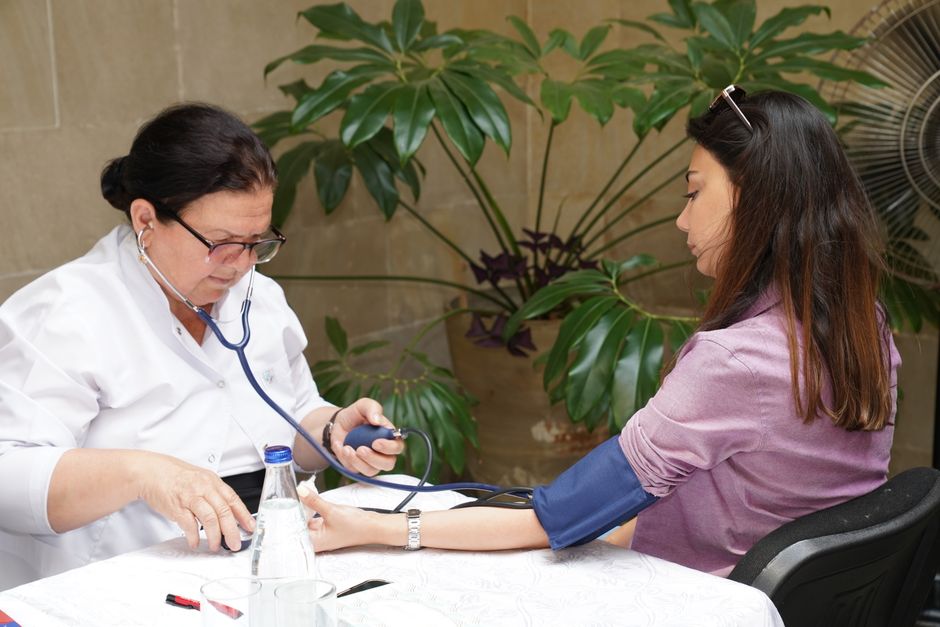
Diagnosis starts with measuring your blood pressure in different positions. Your doctor will check it while you are lying down, then again after you stand for one minute and after three minutes. This simple test often provides the answer.
Your doctor may also check your heart rate during the position change. This helps distinguish between different types of orthostatic hypotension. If your heart rate rises significantly when you stand, it may point to a condition called postural orthostatic tachycardia syndrome, or POTS, which is managed differently.
Blood tests can check for anemia, dehydration, or thyroid problems. If a neurological cause is suspected, your doctor may refer you to a specialist for more detailed testing of your autonomic nervous system.
What You Can Do to Prevent the Drop
If your blood pressure drops when you stand, several strategies can help. These are general recommendations that many clinicians suggest, but your specific situation may require different approaches.
Move gradually. When you get out of bed in the morning, sit on the edge for a minute before standing. When standing from a chair, hold onto something solid for support until you feel steady.
Drink enough fluids. Adequate hydration keeps your blood volume up. Water is the best choice for most people. Your urine color is a simple guide — pale yellow usually means you are well hydrated.
Check your medications. If you take blood pressure medication, talk to your doctor about whether the timing or dose could be contributing. Never adjust medication on your own.
Rise slowly after meals. Blood pools in your digestive system after eating, which can make post-meal standing drops worse. This is called postprandial hypotension and is more common in older adults.
Consider compression stockings. These tight-fitting socks or stockings squeeze your legs and help push blood back toward your heart. They are not a cure, but many people find them helpful. Waist-high compression garments work better than knee-high ones for this purpose.
Elevate the head of your bed. Sleeping with your upper body slightly raised, about 10 to 20 degrees, reduces the blood pressure drop you experience when you first stand in the morning.
When to See a Doctor
An occasional dizzy spell when standing is not usually a reason for concern. But if it happens regularly, gets worse, or causes you to faint, schedule an appointment.
You should also see a doctor if the dizziness started after you began a new medication. A dose adjustment or alternative drug may solve the problem completely.
Orthostatic hypotension can be a warning sign of a more serious underlying issue. It is also associated with an increased risk of falls, which can have serious consequences, especially for older adults. Getting an accurate diagnosis is the first step toward managing it safely.
Frequently Asked Questions
Is it normal for blood pressure to drop when standing?
A small, brief drop is normal and happens to everyone. A drop of 20 mmHg or more in systolic pressure, or 10 mmHg or more in diastolic pressure, is considered orthostatic hypotension and may need evaluation.
Can dehydration cause blood pressure to drop when standing?
Yes. Low blood volume from dehydration means less fluid available to maintain pressure when gravity pulls blood to your legs. Rehydrating usually resolves this type of blood pressure drop.
What is the fastest way to raise blood pressure when standing up?
Contracting the muscles in your legs and buttocks before standing helps push blood back toward your heart. Drinking water and rising slowly also help, but these are management strategies, not treatments for an underlying cause.
Should I stop taking my blood pressure medication if it causes dizziness?
No. Stopping blood pressure medication suddenly can cause dangerous spikes in blood pressure. Talk to your doctor about adjusting the dose, timing, or switching to a different medication.
