
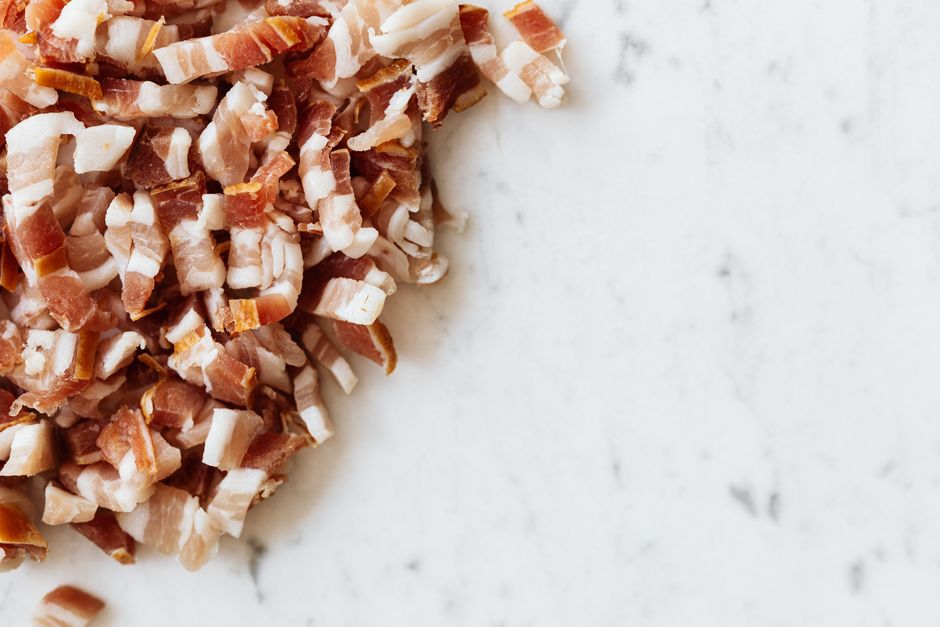
If your bacon tastes off, the cause is usually one of a few things: it has started to spoil, it was cured or smoked in a way your palate reads as “weird,” or it picked up a stale flavor from how it was stored. Spoiled bacon is not safe to eat. Bacon that tastes unusual but shows no signs of spoilage is generally safe, though the flavor may simply not be to your liking. The key is telling those situations apart.
Bacon is a cured meat, which means it has salt, nitrite, and often smoke working to slow down bacterial growth. That gives it a longer window than fresh meat, but it is not indefinite. A strange taste is one of the earliest signals that something has changed. Here is how to read that signal honestly.
Why Does My Bacon Taste Weird And Is It Safe?
Most weird-tasting bacon falls into two categories: safe but unfamiliar, or spoiled and unsafe. The distinction comes down to smell, texture, and how the bacon was handled.
Bacon that tastes mildly different but looks and smells normal is usually fine. The flavor of cured pork varies a lot between brands, smoking methods, and cure recipes. What one person calls “weird” another calls “smoky” or “sweet.”
Bacon that has actually gone bad gives clearer signals. Spoiled cured pork tends to smell sour, rancid, or like ammonia. The surface may feel tacky or slimy rather than slightly moist. Colors can shift toward gray, green, or brown. If you notice these signs, the bacon is not safe to eat and should be thrown out.
One point that surprises people: the “best by” date on bacon is about quality, not always a strict safety cutoff. The date tells you when the product is at its best. Past that date, quality declines and the risk of spoilage rises, but the date itself is not a guarantee of safety or danger. Your senses are the better guide.
What Causes a Strange Taste in Bacon?
A weird taste has several common and well-understood causes. Some are harmless, and some mean the meat has turned.
- Smoking and curing: Different wood smoke, sugar, and salt ratios create flavors ranging from sweet to sharp to heavily smoky. Some people find certain cures taste “chemical” or “soapy.”
- Oxidation and rancidity: Fats in bacon can oxidize over time, producing a stale, cardboard-like, or slightly bitter taste. This is a real quality problem, though mild oxidation is not the same as bacterial spoilage.
- Refrigerator odors: Cured meat can absorb smells from nearby foods if stored loosely. This changes flavor without necessarily making the bacon unsafe.
- Bacterial growth: If bacon was left too warm or stored too long, bacteria multiply and produce sour or off smells. This is the unsafe scenario.
- Sodium nitrite reactions: Nitrites are used in curing for safety and color. In rare cases, a cure that is off-balance can leave an odd metallic taste, but this is uncommon in commercially produced bacon.
The fat is where most flavor problems start. Fat goes rancid before lean meat spoils, which is why an “off” taste often shows up before any visible spoilage.
How Do I Know If Bacon Has Gone Bad?
Your nose and eyes are reliable tools here. Spoiled bacon is rarely subtle.
Fresh bacon smells savory and smoky. Bacon that has turned smells sour, pungent, or ammonia-like. Touch matters too: fresh bacon feels slightly moist and firm, while spoiled bacon feels sticky or slick. Color should be pinkish-red with white or cream fat; gray, green, or dull brown patches are a warning sign.
If you are genuinely unsure, throw it out. The cost of a package of bacon is small compared with the risk of foodborne illness from spoiled meat.
How Should Bacon Be Stored to Keep It Tasting Right?
Proper storage is the simplest way to prevent a weird taste. Unopened bacon keeps best in the refrigerator and can be frozen for longer storage. Once opened, it should be tightly wrapped and used within a reasonable window.
According to the U.S. Department of Agriculture, unopened bacon can be refrigerated for about a week past the date on the package, and opened bacon should be used within about seven days. Cooked bacon keeps about four to five days in the refrigerator. These are the standard food-safety reference points, and they are worth following.
Freezing is a good option if you will not use bacon quickly. Wrap it tightly to limit air exposure, which slows oxidation and freezer burn. Thaw it in the refrigerator, not on the counter.
Keep bacon away from strong-smelling foods and wrap it well. Cured meat absorbs odors easily, and that alone can make it taste strange.
Does Cooking Fix Bacon That Tastes Off?
Cooking kills bacteria, but it does not make spoiled food safe. This is a common misunderstanding worth correcting.
Some bacteria produce toxins as they grow, and those toxins are not destroyed by normal cooking heat. So even well-cooked bacon that was already spoiled can still make you sick. Heat also does not remove the rancid flavor of oxidized fat or the smell of spoilage. If bacon is bad before cooking, cooking will not rescue it.
What cooking does fix is the texture and flavor of bacon that is merely a little stale or oddly cured. If the meat smells normal and looks normal, cooking usually brings out the familiar bacon flavor.
When Should I Be Concerned About Foodborne Illness?
Most people who eat properly cooked, properly stored bacon are at low risk. Problems arise mainly from spoiled or undercooked product, or from cross-contamination in the kitchen.
If you develop nausea, vomiting, diarrhea, or fever after eating questionable food, foodborne illness is a possibility. Most cases resolve on their own, but you should seek medical care for severe symptoms, signs of dehydration, high fever, or symptoms that do not improve. People who are pregnant, older adults, young children, and anyone with a weakened immune system should be more cautious, because foodborne infections can be more serious for them.
Handling matters as much as the meat. Wash hands, keep raw bacon away from ready-to-eat foods, and clean surfaces and utensils that touched raw meat.
The Bottom Line
A weird bacon taste is usually harmless variation in curing or storage, but it can also be an early warning of spoilage. Trust your senses. Sour or ammonia smells, slimy texture, and gray or green color mean the bacon is not safe. Normal smell and appearance with an odd flavor usually means the cure or smoke is simply different from what you expected.
Store bacon cold, wrap it well, and follow the standard refrigeration windows. When in doubt, throw it out. That is the safest rule with any meat, and bacon is no exception.
Frequently Asked Questions
Can bacon taste weird but still be safe to eat?
Yes, if it looks and smells normal and the odd flavor comes from curing, smoking, or mild staleness. Any sour smell, slime, or color change means it is not safe.
Why does my bacon taste sour?
A sour taste usually means bacteria have started to grow, which makes the bacon unsafe. It can also come from an unusual cure, but sour plus an off smell points to spoilage.
Does cooking spoiled bacon make it safe?
No. Cooking kills bacteria but does not destroy toxins they may have already produced, so spoiled bacon stays unsafe even after cooking.
How long can I keep opened bacon in the fridge?
The USDA recommends using opened bacon within about seven days. Keep it tightly wrapped and cold, and freeze it if you will not use it in that window.
