
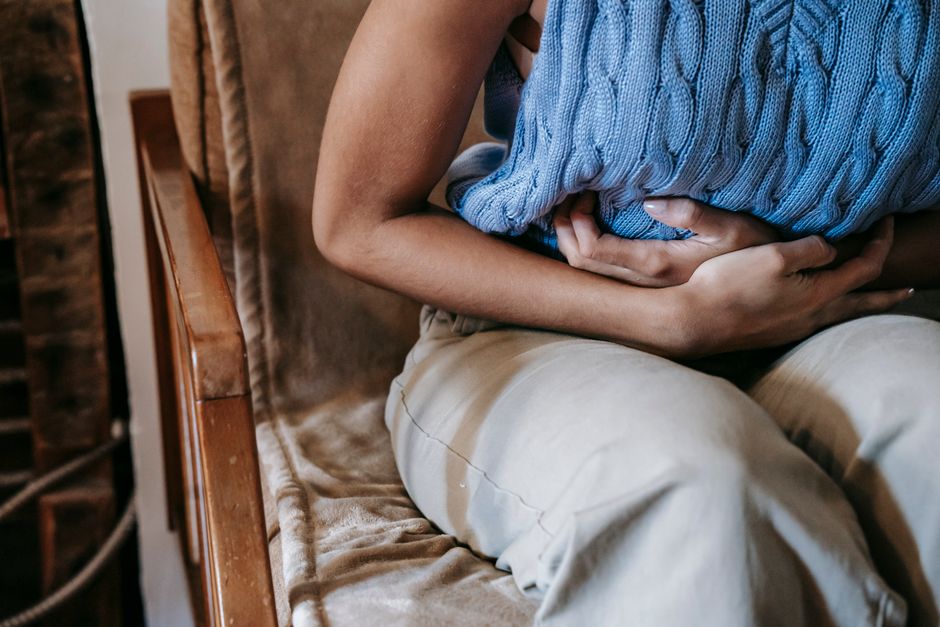
Menstrual bloating happens because hormone levels shift during your cycle, causing your body to hold onto extra water and gas. Estrogen and progesterone rise and fall at specific times, and these changes directly affect how your kidneys handle sodium and water. The result is that swollen, heavy feeling in your abdomen that usually starts a few days before your period and fades once bleeding begins. It is one of the most common premenstrual symptoms, and it is a normal physical response — not a sign that something is wrong.
What Causes Menstrual Bloating?
Bloating before and during your period is driven by two main hormones: estrogen and progesterone. These hormones do more than regulate your cycle. They also influence fluid balance throughout your body.
Estrogen can cause your body to retain sodium. When sodium levels go up, your body holds onto more water to keep the right balance. This is the same reason salty foods make you feel puffy. During the days before your period, estrogen levels peak, and that peak can trigger noticeable water retention.
Progesterone works differently. It slows down your digestive tract. Food moves through your intestines more slowly, which gives gas more time to build up. Slower digestion also means more water is absorbed from your intestines into your bloodstream, which adds to the bloated feeling.
When progesterone levels drop right before your period starts, the digestive slowdown often lifts. That is why many women feel bloated for a few days and then suddenly feel better once bleeding begins.
How Much Water Retention Is Normal?
Water retention during the menstrual cycle is well documented. Studies have measured fluid shifts across the cycle, and the amount varies from woman to woman.
Some research suggests that total body water can increase by about a pound or two in the days before menstruation. Some women notice more, some notice less. The range is wide, and your individual response depends on your hormone levels, your diet, and how sensitive your body is to these changes.
It is worth knowing that the scale reading you see before your period is not fat gain. It is water. When your period ends and hormone levels stabilize, most of that extra fluid leaves your body through urine. If your weight consistently returns to your baseline after your period, that confirms the change was fluid, not fat.
Why Does Bloating Feel Worse Some Months?
Bloating severity varies from cycle to cycle. Several factors can make it worse in any given month.
Diet plays a major role. High-sodium foods amplify estrogen’s water-retaining effect. If you eat a salty meal a day or two before your period, you may feel noticeably more bloated than you would in a cycle where you ate lighter.
Carbohydrates also matter. Your body stores carbohydrates as glycogen, and glycogen pulls water into your cells. In the premenstrual phase, some women crave carbs more intensely. If you eat more carbs than usual, your body stores more glycogen, which means more water is held in your muscles and liver. This is not fat gain. It is a normal response to increased carbohydrate intake.
Gastrointestinal sensitivity can change too. Some research suggests that hormone fluctuations make the gut more sensitive to gas and distension. You might produce the same amount of gas as any other time of the month, but it feels more uncomfortable because your gut is more reactive.
What Actually Helps Reduce Period Bloating?
No treatment eliminates menstrual bloating completely, but several approaches can reduce how much fluid you retain and how uncomfortable you feel.
Reduce sodium intake in the week before your period. This is the most direct dietary lever you have. Processed foods, canned soups, deli meats, and restaurant meals are the biggest sources of hidden sodium. Cooking at home with fresh ingredients gives you control over how much salt you consume.
Drink more water. It sounds counterintuitive, but drinking enough water helps your kidneys flush out excess sodium. When you are mildly dehydrated, your body holds onto the water it has. Staying well hydrated signals to your body that it can release excess fluid.
Potassium-rich foods may help counterbalance sodium. Bananas, sweet potatoes, spinach, and avocados are good sources. Potassium helps your kidneys excrete sodium, which can reduce water retention. The evidence for this is indirect but physiologically sound.
Gentle movement can help with the gas component. Walking, stretching, or light yoga stimulates your digestive tract and can help move gas through your system. This does not affect water retention directly, but it can relieve the pressure and discomfort that comes with trapped gas.
Some women find that reducing or avoiding alcohol and caffeine in the premenstrual phase helps. Alcohol can dehydrate you, which makes your body hold onto water. Caffeine can stimulate the digestive tract, which helps some women and aggravates others. Pay attention to your own response.
When Should You See a Doctor About Bloating?
Menstrual bloating is normal, but not all bloating is menstrual. You should talk to a doctor if your bloating is severe, if it does not go away after your period ends, or if it happens at times unrelated to your cycle.
Seek medical advice if bloating comes with any of these symptoms:
- Pain that interferes with daily activities
- Bloating that lasts more than two weeks
- Unexplained weight gain that does not resolve after your period
- Changes in bowel habits that persist
- Bloating accompanied by nausea, vomiting, or fever
Conditions like irritable bowel syndrome, endometriosis, and ovarian cysts can cause bloating that overlaps with your menstrual cycle. If your bloating feels different from your usual premenstrual pattern, or if it is getting progressively worse, that is worth a medical evaluation.
Sudden, severe bloating with sharp pain should be treated as an emergency. This is especially true if the pain is one-sided or if you feel dizzy or faint. Ovarian torsion and other acute conditions can present this way and require immediate care.
Can Birth Control Help With Menstrual Bloating?
Hormonal birth control can reduce or eliminate menstrual bloating for some women. Combined oral contraceptives keep hormone levels more stable throughout the month, which prevents the sharp peaks and drops that drive fluid retention.
The evidence for this is solid but not universal. Some women on birth control report less bloating. Others report no change, and a small number report more. The response depends on the specific formulation and your individual physiology.
Continuous-use birth control, where you skip the placebo pills and do not have a withdrawal bleed, can prevent the hormone drop that triggers premenstrual symptoms. Some women use this approach specifically to avoid monthly bloating. This is a decision to discuss with your clinician, not something to start on your own.
If bloating is severe enough to affect your quality of life, birth control is a reasonable option to discuss. It is not a cure for everyone, but it is one of the few interventions that addresses the hormonal root of the problem rather than just managing symptoms.
Does Menstruation Cause Bloating in Every Woman?
No. Menstrual bloating is common but not universal. Studies estimate that a majority of menstruating women experience some bloating, but the severity ranges from barely noticeable to significant.
You cannot predict your own experience based on what others report. Some women never notice bloating. Others gain several pounds of water weight every cycle. Both are normal.
What matters is your personal pattern. If you bloat before every period and it resolves after, that is your body’s normal response to hormone changes. If the pattern changes — bloating becomes worse, lasts longer, or appears at different times — that is when you should pay attention.
Frequently Asked Questions
How long does menstrual bloating last?
Menstrual bloating typically starts two to five days before your period begins and usually resolves within the first few days of bleeding. Once hormone levels stabilize, the extra fluid leaves your body and the bloated feeling fades.
Why do I gain weight before my period?
Pre-menstrual weight gain is almost always water retention caused by hormone shifts, not fat gain. Estrogen causes your body to hold onto sodium and water, which can add one to two pounds on the scale that disappears after your period ends.
Can exercise reduce period bloating?
Gentle exercise can help by stimulating your digestive tract and reducing trapped gas, which eases the pressure of bloating. It does not directly stop water retention, but it can make the discomfort more manageable.
Is it normal to bloat even when I eat healthy?
Yes. Eating healthy reduces the severity of bloating, but it does not eliminate it because the primary cause is hormonal, not dietary. Even with a clean diet, your body will still retain some fluid in response to estrogen and progesterone changes.
